

Why Lebanon Still Lacks a Viable Shia Alternative
Marwan El Amine 21/05 17:35 - Reading : 2 minute(s)
Lebanon Amal Hezbollah Israel Washington
An important question is increasingly being raised among sovereigntist political circles in Lebanon and within regional and international forums, particularly in Washington: where is the Shia alternative to the Hezbollah-Amal political alliance? Some parties ask this question in good faith, based on the conviction that any meaningful path toward ...

Lebanon Faces Defining Moment in Talks With Israel
Marwan El Amine 18/05 10:25 - Reading : 3 minute(s)
Lebanon Israel Lebanese Army Hezbollah Joseph Aoun
President Joseph Aoun’s decision to engage in direct negotiations with Israel marks a strategic turning point. For the first time in years, the Lebanese state is attempting to reclaim its diplomatic sovereignty after long being subordinated to regional calculations, foremost among them Iran’s influence. The direct negotiations represent the ...

The "Last Mile" of Hezbollah's Disarmament: Washington Holds the Key
Marwan El Amine 12/05 11:20 - Reading : 3 minute(s)
Hezbollah Washington Hassan Nasrallah Benjamin Netanyahu Lebanon
There is no doubt that Israel has inflicted a severe blow on Hezbollah, weakening not only its battlefield capabilities but also significantly eroding its regional role. However, its complete dismantling as a military force ultimately depends on U.S. pressure on Iran. Hezbollah no longer resembles the organization it was prior to launching its ...

Lebanon’s Peace Should Not Wait on Saudi Arabia
Marwan El Amine 11/05 12:50 - Reading : 4 minute(s)
Lebanon Saudi Arabia Hezbollah Israel
At the most immediate level, the U.S.-brokered push for Lebanon-Israel diplomacy faces the obstacle of Hezbollah’s weapons—or, more precisely, the arsenal of Iran’s Islamic Revolutionary Guard Corps (IRGC) on Lebanese territory. The drive for diplomacy must also overcome a shortsighted approach to peace that is emerging in Lebanon. Some ...
Why Iran’s Influence in Lebanon Persists Despite Hezbollah’s Losses
Marwan El Amine 04/05 11:40 - Reading : 3 minute(s)
Lebanon Hezbollah Israel Lebanese Army Tehran
Israel’s military blows to Hezbollah and its seizure of a strip of territory in southern Lebanon have not changed Tehran’s strategic calculus. The Islamic Republic of Iran continues to regard its influence in Lebanon as a strategic priority, despite the scale of casualties among Lebanon’s Shia population, the waves of displacement, and the ...

Why Hezbollah and Israel May Be Betting Against the Lebanon Truce
Marwan El Amine 28/04 10:40 - Reading : 3 minute(s)
Lebanon Hezbollah Israel Donald Trump Lebanese Army
The Lebanon–Israel truce, extended by three weeks last Thursday, is already being put to the test. Escalating military exchanges in southern Lebanon are exposing both its fragility and the complicated political realities surrounding it. Both Israel and Hezbollah appear to see a potential breakdown of the truce as an opportunity to reshuffle the ...

Will Lebanon Finally Break Its Cycle of Inaction?
Marwan El Amine 21/04 09:55 - Reading : 3 minute(s)
Lebanon Nawaf Salam Donald Trump Lebanese Army Benjamin Netanyahu
As Lebanon and Israel prepare to deepen diplomatic contact amid a 10-day truce, attention is shifting to what comes next, including the fate of Hezbollah’s weapons and whether the ceasefire marks a temporary pause or a strategic shift. During the war, both President Joseph Aoun and Prime Minister Nawaf Salam navigated a perilous political ...

Lebanon Reclaims its Diplomacy from Hezbollah
Marwan El Amine 16/04 18:15 - Reading : 3 minute(s)
Lebanon Hezbollah Israel Tehran Washington
The April 14 diplomatic meeting between Lebanon and Israel in Washington signals, however partially, a reassertion of Lebanese state authority over its own decision-making, while challenging Iranian influence in the country. Most significant is the fact that the meeting took place at all, a historic step given the ongoing war between Hezbollah and ...
Iran Sacrifices Lebanon on the Altar of Its Own Interests
Marwan El Amine 11/04 22:45 - Reading : 4 minute(s)
Lebanon Donald Trump Benjamin Netanyahu Hezbollah Israel
The U.S. and Israel have entered a two-week ceasefire, an arrangement that paves the way for negotiations aimed at resolving a wide range of complex and contentious issues. Yet Lebanon, despite Iran’s rhetoric, appears to remain a marginal concern in the talks for Tehran, which has shown little care for the suffering of Lebanese Shia. Despite ...

How the Iran War Can Help Reorient Shia Identity
Marwan El Amine 07/04 12:20 - Reading : 4 minute(s)
Lebanon Hezbollah Israel Palestine Tehran
As the U.S.-Israeli military campaign against Iran nears the limits of its original target bank, the contours of a new phase are beginning to emerge, one defined by the search for a political exit from the war. Discussions are no longer confined to closed-door deliberations but are now unfolding in public. Fundamental questions are emerging about ...
Hezbollah's Fallback Strategy as the Resistance Axis Unravels
Marwan El Amine 03/04 08:35 - Reading : 4 minute(s)
Hezbollah Lebanese Army UN Security Council Lebanon Israel
Hezbollah is coming under immense pressure on all fronts. Its regional backer Iran stands on the threshold of a new political phase that points to a retreat from its regional strategy, with profound implications for Hezbollah in Lebanon. There, Israel is escalating its military efforts against Hezbollah, with the campaign likely to intensify ...

Lebanon Expels Iran’s Envoy, but the IRGC Still Looms Large
Marwan El Amine 27/03 11:25 - Reading : 3 minute(s)
Lebanon Hezbollah Israel Tehran
While Lebanese authorities’ decision to expel Iran’s envoy to the country marks a significant attempt to restore state sovereignty and redefine the bounds of ties between Tehran and Beirut, its practical impact on the ground remains limited. Beirut’s move comes amid an escalating war between Israel and Hezbollah that has underscored the ...

Breaking the Cycle: Lebanon, Israel, and the Case for a New Strategic Approach
Marwan El Amine 25/03 12:35 - Reading : 4 minute(s)
Lebanon Israel Nawaf Salam Hezbollah Joseph Aoun
Since Hezbollah plunged Lebanon into war, key questions have emerged about the country’s domestic future. Foremost among them: how will the Lebanese state address Hezbollah’s arsenal, and what will Israel pursue in its campaign against the group? In the months leading up to the new war, it became clear that the Lebanese state had not fully ...
After the War: Why Lebanon's Shia Must Be Freed from Tehran
Marwan El Amine 20/03 12:20 - Reading : 3 minute(s)
Lebanon Tehran Donald Trump Hezbollah Israel
Unlike the June 2025 conflict, the current U.S.-Israeli military campaign against the Iranian regime is poised to reshape the region, with significant consequences for Tehran’s proxies, foremost among them Hezbollah. The fates of Iran and Hezbollah have become defining questions of the regional war. Hezbollah did not hesitate to open a front ...

Is Israel Shifting from Containing Hezbollah to a Resolution in Lebanon?
Marwan El Amine 17/03 13:20 - Reading : 5 minute(s)
Lebanon Hezbollah Israel Palestine Hamas
A historical examination of Israel’s military campaigns in Lebanon against the Palestine Liberation Organization (PLO) and Hezbollah reveals striking parallels and key differences, while raising the question of whether Jerusalem is moving toward a more decisive strategy against Hezbollah. Israel has regarded both the PLO in the 1970s and 80s ...

Will This War End Hezbollah?
Marwan El Amine 13/03 10:05 - Reading : 3 minute(s)
Hezbollah Hassan Nasrallah Lebanon Israel
After Israel’s war against Hezbollah ended in November 2024, many expected the group’s losses—including the killing of its leader Hassan Nasrallah—to weaken its influence in Lebanon. Hopes rose that the Lebanese state could reclaim sovereignty and extend its control across the country. Yet subsequent developments revealed that these ...

The Moment of Decision: Will Lebanon Choose Peace?
Marwan El Amine 04/03 09:50 - Reading : 5 minute(s)
Lebanon Nawaf Salam Hezbollah Israel Joseph Aoun
The return of war to Lebanon was neither sudden nor unexpected. On the contrary, it appeared almost inevitable, a consequence of Hezbollah’s rigidity and denial on one hand, and the Lebanese state’s hesitation and accommodation on the other. It followed the trajectory of the political and security developments since the ceasefire that ended ...

Why Lebanon’s Muslims Are Key to Any Credible Peace Initiative
Marwan El Amine 27/02 14:30 - Reading : 5 minute(s)
Lebanon once again stands on the brink of a military confrontation that threatens to replay the all-too-familiar scenes of devastation and loss. As regional tensions escalate and the prospect of a U.S. strike on Iran looms, Hezbollah appears ready to place Lebanon squarely in the eye of the storm in defense of the Iranian regime, with little ...

Hezbollah Readies Its Electoral Machine After War Losses
Marwan El Amine 19/02 16:25 - Reading : 6 minute(s)
Hezbollah Hassan Nasrallah Lebanon Amal Israel
Whether Lebanon’s parliamentary elections are held on time in May or postponed, Hezbollah’s electoral machine appears to be in a state of full readiness. While the party commands the largest popular base within the Shia community, maintaining a wide lead over its closest ally, the Amal Movement, this electoral advantage has not bred ...

Wafiq Safa’s Exit: Internal Shake-Up or Political Pivot for Hezbollah?
Marwan El Amine 13/02 11:00 - Reading : 4 minute(s)
Hezbollah Lebanon Hassan Nasrallah Israel Tehran
Hezbollah has initiated a comprehensive restructuring of its military, security, and political apparatuses to consolidate its ranks after Israel’s military campaign caused severe disruptions, including the assassination of its former leader, Hassan Nasrallah, and numerous top commanders. Officers from Iran’s Revolutionary Guard Corps (IRGC) ...

The Council of the South: Hezbollah and Amal’s Tool for Clientelism
Marwan El Amine 06/02 12:15 - Reading : 4 minute(s)
The Council of the South was intended to be one of the Lebanese state’s key mechanisms for addressing the damage from wars with Israel, but it effectively became a partisan tool serving the Amal Movement and Hezbollah. It was established in 1970 primarily to help residents of southern Lebanon repair their homes and rebuild what had been ...

From Armed Deterrence to Durable Peace: Rethinking Shiite Security in Lebanon
Marwan El Amine 30/01 09:30 - Reading : 5 minute(s)
Lebanon Hezbollah Israel Lebanese Army Shia
Despite failing to instill ideological allegiance to Iran's Wilayat al-Faqih among Lebanon's Shia, Hezbollah has succeeded in forging a sense of collective belonging to Iran’s political project. The party achieved this more consequential outcome by recasting its weapons as a political doctrine and overarching identity, portrayed as superior to ...
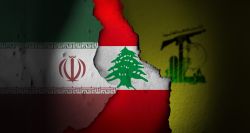
The Unraveling of Hezbollah’s Strategic Myth
Marwan El Amine 22/01 15:05 - Reading : 5 minute(s)
Hezbollah Amal Hassan Nasrallah Lebanon Israel
Since its inception, Hezbollah has sought to transform Shia identity in Lebanon from a national one into an ideological one, anchored in Iran’s Wilayat al-Faqih doctrine of absolute loyalty to its supreme leader. Yet its attempts to tighten control over the Shia community through Tehran’s political ideology met significant obstacles, pushing ...
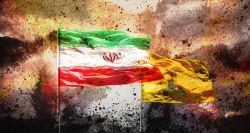
What Iran’s Fate Could Mean for Hezbollah and Lebanon
Marwan El Amine 16/01 11:00 - Reading : 5 minute(s)
Hezbollah Iran Protests Lebanon Muslim Brotherhood Tehran
As Iran’s nationwide protest movement intensifies, a key question is dominating regional and international discourse: what lies ahead for the Islamist regime if unrest continues, and how might its potential collapse impact Middle Eastern states shaped by four decades of Iranian policy? Since Ayatollah Khomeini came to power in 1979, Iran has ...