- 04
- May
- 2026

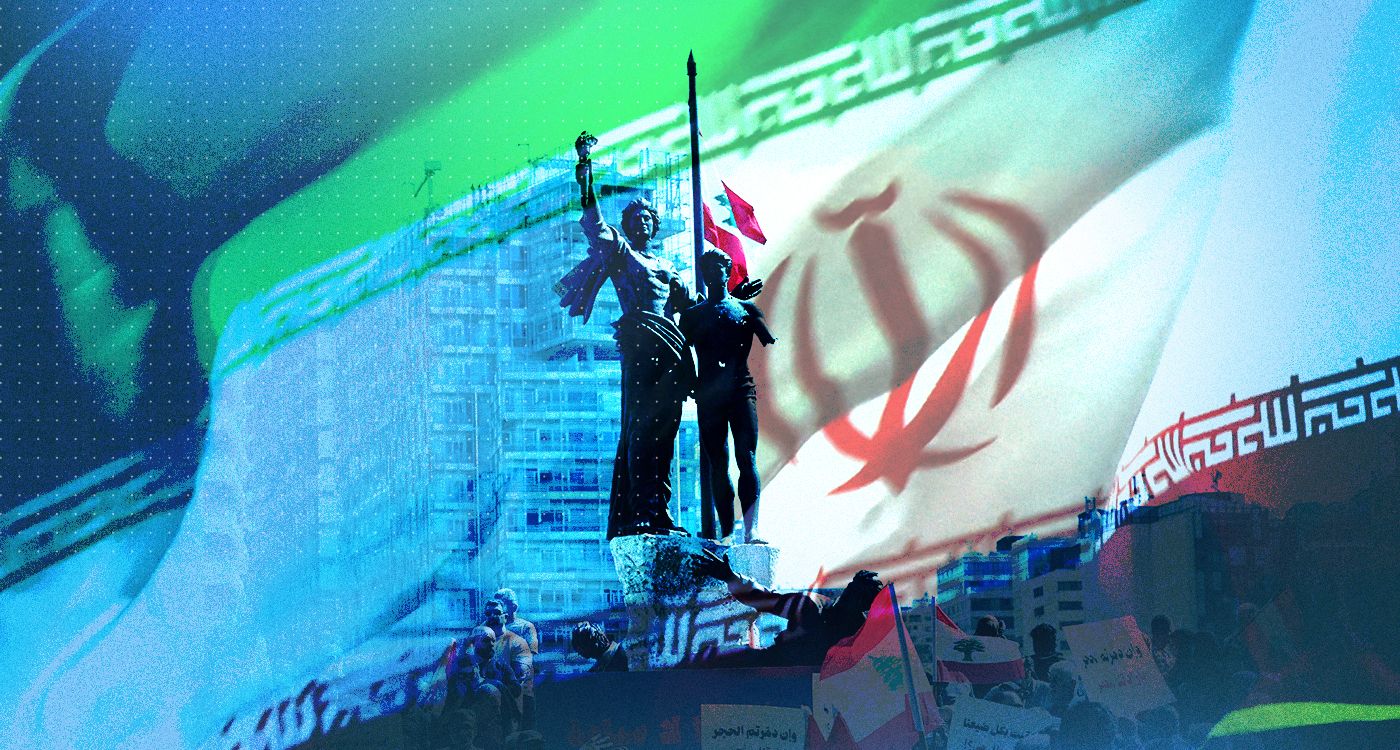
Israel’s military blows to Hezbollah and its seizure of a strip of territory in southern Lebanon have not changed Tehran’s strategic calculus. The Islamic Republic of Iran continues to regard its influence in Lebanon as a strategic priority, despite the scale of casualties among Lebanon’s Shia population, the waves of displacement, and the destruction of dozens of southern villages.
On the contrary, Iran appears to treat these costs as “collateral losses,” viewing them as acceptable in the pursuit of maintaining Hezbollah’s arsenal and preserving its influence in Lebanon. As such, Iran does not appear to view Israel’s occupation of portions of Lebanese territory—aimed at containing the threat posed by Hezbollah—as a fundamental challenge to its influence in Lebanon.
Rather, Iran appears to perceive a greater risk in Hezbollah losing its grip over areas of Lebanon outside Israeli-occupied territory. In Tehran’s view, its influence in Lebanon remains secure as long as Hezbollah retains effective control on the ground and the Lebanese state refrains from taking decisive steps to disarm the group.
No matter how severe the challenges faced by Hezbollah, and regardless of the extent of Israel’s ground invasion, these developments do not threaten the deeper structure of Iranian influence so long as its core elements of power remain intact.
The current military reality in Lebanon might even reinforce Iran’s influence. Hezbollah’s continued possession of weapons, alongside Israel’s limited presence in parts of the south, helps sustain the group’s narrative of “resistance” as an ongoing necessity for the liberation of land.
In this sense, Israel’s limited military presence helps legitimize Hezbollah’s arms and sustain a state of mobilization, aligning with Tehran’s long-term conflict doctrine. Even if Israel’s occupation of a security strip temporarily contains Hezbollah’s threats to its northern population, Iran does not see this as a strategic advantage for Jerusalem.
Instead, Iran sees it as part of a new equilibrium between itself and Israel, one that revives the “resistance” narrative, reaffirms Hezbollah’s role and function, and ensures Tehran’s influence in Lebanon. This will likely generate further cycles of violence, with timing being the only variable.
In light of this, the leadership of the Lebanese Armed Forces must assume its full responsibilities by taking serious steps to disarm Hezbollah. Continued failure to do so will indirectly entrench Israel’s presence along the border, keep the south an open battlefield, and leave Lebanon exposed to regional conflicts that run counter to its interests.
At the same time, U.S. and Israeli policies toward Hezbollah’s arms should not accommodate Iranian influence in Lebanon, whether through Washington’s tacit acquiescence or Israel’s policy of “risk containment” aimed at protecting its northern population. Any such approach is insufficient for sustainable outcomes.
Ultimately, lasting stability requires a peace agreement between Lebanon and Israel. While negotiations between the two sides have begun, the process will stall—or remain merely symbolic—unless the issue of Hezbollah’s weapons is addressed at its core. These arms, effectively Iranian assets on Lebanese soil, lie at the heart of the conflict. Meaningful negotiations and lasting peace depend on one essential condition: Hezbollah’s disarmament.


Comments