- 17:35

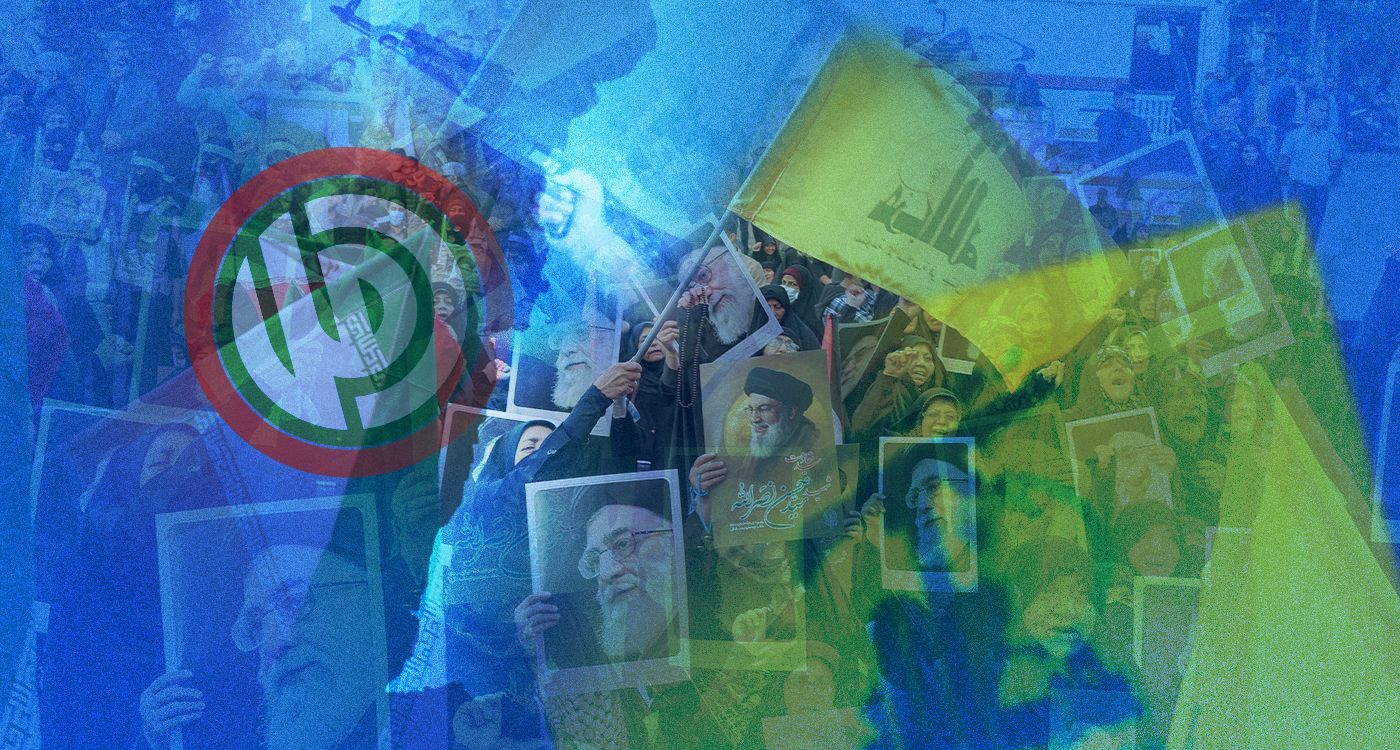
An important question is increasingly being raised among sovereigntist political circles in Lebanon and within regional and international forums, particularly in Washington: where is the Shia alternative to the Hezbollah-Amal political alliance?
Some parties ask this question in good faith, based on the conviction that any meaningful path toward change in Lebanon requires a Shia partner outside the duo of Hezbollah and Parliament Speaker Nabih Berri. Others, however, invoke it out of more cynical motives, seeking either to justify ties with Berri or facilitate compromises with Hezbollah under the pretext that there is no viable Shia alternative.
To develop into an effective force, any opposition movement requires a safe environment that allows normal political dynamics to emerge. Without such an environment, nascent political groups are unable to freely express their ideas or operate openly to promote their vision and mobilize public support.
None of these conditions currently exist within the Shia community in Lebanon. Hezbollah dominates the public sphere in Shia-populated regions, severely constraining the emergence of normal political life and genuine political pluralism. At the same time, state institutions—military, security, and judicial alike—treat the party as the ultimate authority and align their actions with Hezbollah’s interests and directives.
In parallel, Shia opposition figures face various forms of pressure, ranging from social isolation and economic targeting to threats against their livelihoods, as well as defamation campaigns and accusations of treason or collaboration with Israel. This threatening atmosphere also extends to anyone who interacts with or expresses support for such figures, exposing them to smear campaigns and similar accusations.
The situation goes beyond mere character assassination and, at times, escalates into direct death threats. This occurs within a highly charged environment where intimidation or even acts of violence may be viewed as justified and acceptable by parts of the Shia community. Shia opponents of Hezbollah face a constant sense of danger to their personal safety. Some have come to believe that residing in, or even visiting, their hometowns could place their lives at risk.
Hezbollah’s absolute authority and repression in the Shia community prevent any dissenting voice from organizing or developing into a political force capable of influencing public opinion or challenging its dominance.
Before a viable political alternative to the Shia duo can emerge, the Lebanese state must establish exclusive authority over all weapons and end Hezbollah’s security dominance over the Shia community. No civil or political opposition movement can grow into an effective force in an atmosphere of intimidation, where constitutional law and order are absent.
The Lebanese state bears responsibility for restoring its full authority and legitimacy in Shia-populated areas through its military, security, and judicial institutions. This would reinforce the rule of law and provide Shia citizens with the security and freedom necessary to express their political choices while safeguarding their right to fully participate in public life.

Comments