- 11
- Apr.
- 2026

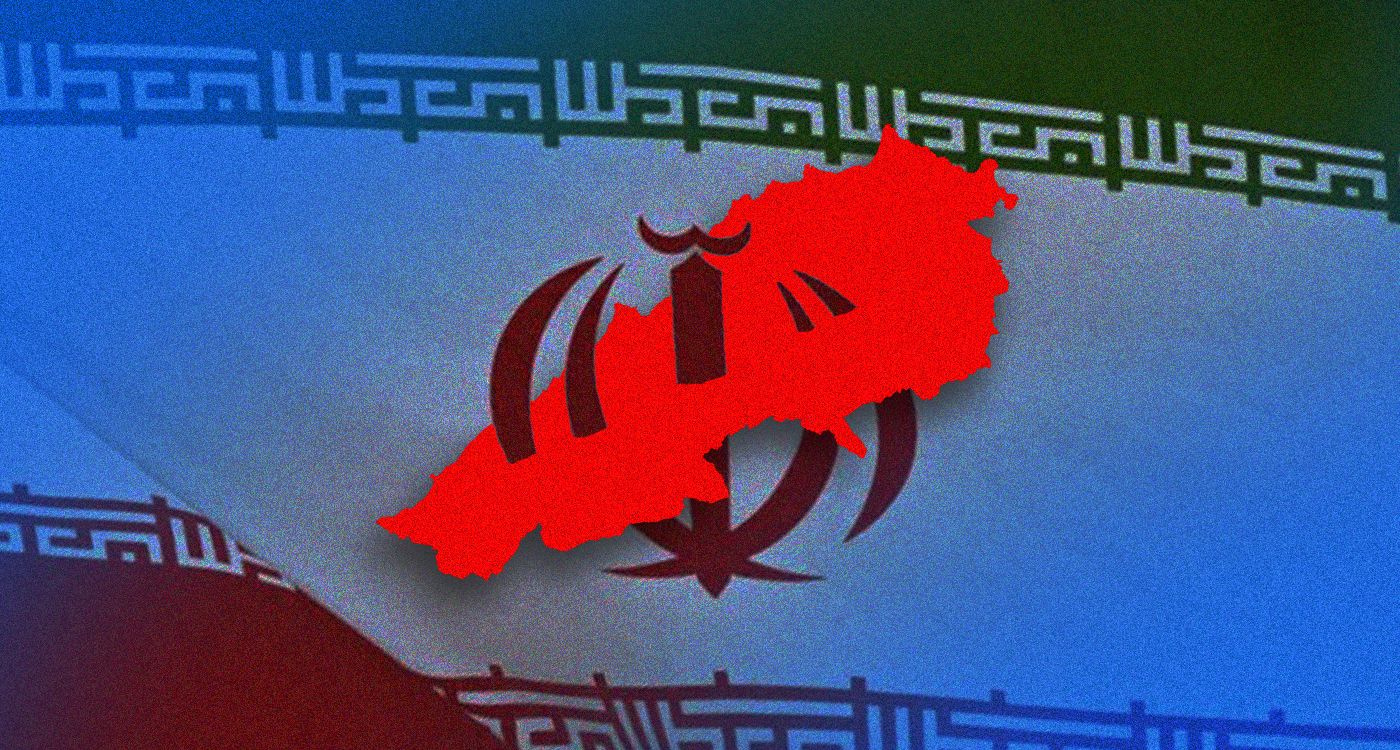
The U.S. and Israel have entered a two-week ceasefire, an arrangement that paves the way for negotiations aimed at resolving a wide range of complex and contentious issues. Yet Lebanon, despite Iran’s rhetoric, appears to remain a marginal concern in the talks for Tehran, which has shown little care for the suffering of Lebanese Shia.
Despite suffering heavy blows, Iran has managed to preserve the cohesion of its regime, even after losing a significant number of senior leaders, most notably Supreme Leader Ali Khamanei. This resilience, however, comes at a steep cost. The country has sustained extensive damage to its military and security institutions, its economy—including both civilian and military industry—and its critical infrastructure.
At the same time, Tehran has succeeded in asserting control over the Strait of Hormuz, a crucial strategic level. Despite intense strikes and mounting U.S. threats, it held the waterway closed until a ceasefire was secured, underscoring the extent of its leverage.
On the other side, President Donald Trump has engineered an unprecedented shift in the handling of the Iranian file. By adopting a firm military approach, one none of his predecessors had pursued since the 1979 Islamic Revolution, his administration has transformed U.S. policy toward Iran from containment to overt confrontation.
Within this context, the U.S. and Israel have inflicted substantial damage on the Iranian regime, significantly weakening its capabilities. This, in turn, raises serious questions about the regime’s future trajectory and its ability to recover what it has lost.
Turning to Lebanon’s role in the regional equation, conflicting narratives have emerged. While Iranian and Pakistani statements suggested that the ceasefire extends to Lebanon, Israeli Prime Minister Benjamin Netanyahu in a statement clearly affirmed the separation of the Lebanese and Iranian fronts.
This contradiction appears to reflect Iran’s attempt to mitigate the repercussions for Hezbollah, particularly with its domestic audience, by projecting the impression that Lebanon falls under the umbrella of de-escalation, even if only nominally. In reality, developments on the ground and political signals suggest that a ceasefire in Lebanon is not central to any potential agreement between Iran and the U.S.
This raises the key question of why Israel has adhered to halting its strikes on Iran while continuing its campaign in Lebanon? The answer lies in the nature of the agreement’s terms. Israel’s cessation of strikes in Iran was a fundamental condition that, if violated, could have jeopardized the entire diplomatic framework. Lebanon, by contrast, appears to be a marginal clause, far from a “red line” that would prompt Iran to abandon the talks.
In this light, claims that Lebanon is included in the negotiations’ framework appear to be more of a political formula aimed at saving Hezbollah’s face rather than an operational reality. In practice, the regional ceasefire agreement once again suggests that Tehran and Hezbollah do not regard the suffering of Lebanon’s Shia community as a genuine priority. Their lives, homes, and villagers are treated as mere instruments for Tehran’s strategic interests.
This perception was reinforced on April 8, when Israel launched an intense wave of airstrikes across Lebanon, including in Beirut, just hours after the ceasefire between Iran, Israel, and the U.S. was announced. The attacks killed over 350 people and injured more than a thousand, while causing widespread destruction in Lebanon’s capital. This escalation placed Iran and Hezbollah in a difficult position, not only vis-à-vis the broader Lebanese public but also within their core Shiite constituency.
The scale of Israel’s bombardment prompted Iran to claim the ceasefire also included Lebanon. Yet, Tehran’s stance on the matter has remained largely rhetorical and it has not suspended its participation in its upcoming talks with the U.S. in Pakistan. This indicates that Iran remains committed to the ceasefire, regardless of developments on the Lebanese front. In parallel, Iran has partially reopened the Strait of Hormuz, a predictable step, given that a full reopening will likely require time.
It is noteworthy that Trump explicitly stated that the ceasefire does not extend to Lebanon. This position suggests that, had Lebanon been included, Washington would have exerted pressure on Israel to halt military operations there, just as it did in enforcing the cessation of strikes on Iranian territory.
When the Iranian regime’s interests require abandoning Lebanon’s Shia community to humiliation and displacement, Hezbollah follows Tehran accordingly. Likewise, when Tehran’s interests dictate leaving Hezbollah at the margins of regional dealmaking, its Lebanese proxy falls in lockstep.


Comments