- 27
- Mar
- 2026

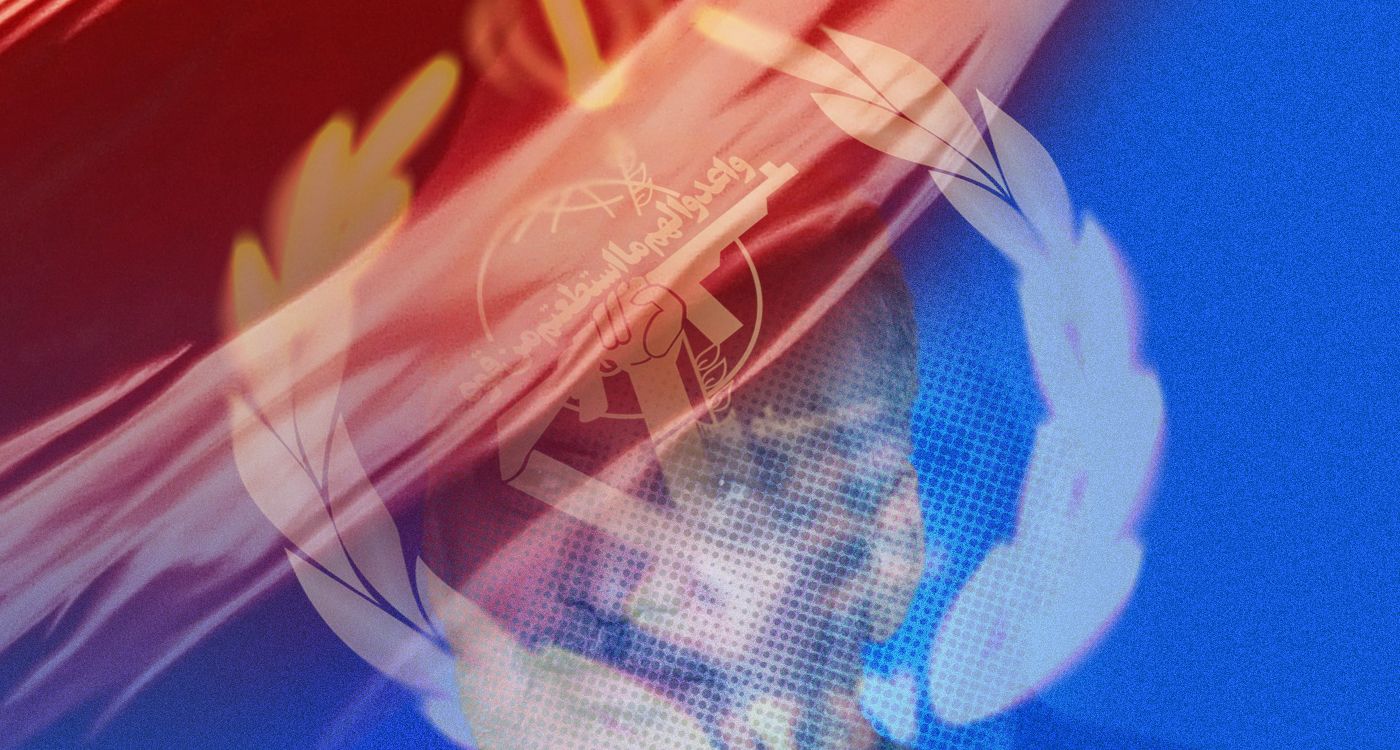
While Lebanese authorities’ decision to expel Iran’s envoy to the country marks a significant attempt to restore state sovereignty and redefine the bounds of ties between Tehran and Beirut, its practical impact on the ground remains limited.
Beirut’s move comes amid an escalating war between Israel and Hezbollah that has underscored the growing involvement of Iran’s Islamic Revolutionary Guard Corps (IRGC) in directing Hezbollah’s operations as well as its infiltration of Lebanese state institutions.
Since the last war between Israel and Hezbollah ended in November 2024, Iran has shifted its approach to managing its military influence in Lebanon. Multiple reports suggest that over one hundred IRGC officers were deployed to reorganize and rebuild Hezbollah’s military and security structures, while also assuming direct leadership roles in the militia.
The IRGC’s growing operational role can be seen in the context of the heavy losses Hezbollah sustained during the 2024 war. Israel successfully assassinated senior, mid-level, and even lower-tier commanders across the group’s military and security hierarchy.
This created a significant leadership vacuum and posed serious challenges for Hezbollah, particularly the absence of experienced figures capable of rebuilding and effectively commanding the organization’s military apparatus.
At the same time, the 2024 war exposed deep vulnerabilities within Hezbollah’s internal security structure, including signs of corruption and sensitive security breaches. Israel’s intelligence apparatus demonstrated the ability to penetrate Hezbollah’s top levels, as shown by the “pagers operation” targeting the group’s logistical chains and a series of successful assassinations.
The IRGC’s operational presence in Lebanon became more visible after Hezbollah opened a front in support of Iran on March 2, 2026. Afterward, Israel warned IRGC personnel to leave Lebanon, after which it succeeded in assassinating several who did not heed the threat.
In parallel, Tehran’s public statements indicated it was coordinating simultaneous missile launches against Israel from both Lebanese territory and Iranian soil. This suggests that the IRGC has moved beyond its traditional support role for Hezbollah toward direct management of field operations.
Beyond these military dimensions, a highly sensitive security issue has also emerged in Lebanon. Forged Lebanese passports have reportedly been granted to IRGC members in coordination with an official Lebanese security agency.
This development raises profound questions about the extent of IRGC penetration—via Hezbollah—into state institutions, and about its violation of diplomatic norms and the red lines that should govern interstate relations.
The core of the problem lies in the military and security infrastructure that the IRGC has established and manages in Lebanon through Hezbollah. This structure forms the backbone of Iran’s influence in the country. Any serious approach to confront the IRGC’s presence in Lebanon cannot be limited to diplomatic measures alone, but must directly tackle this infrastructure with resolve.
As a first step, the Lebanese state must hold firm on its decision to expel Iran’s envoy and not reverse course. More broadly, Lebanese government decisions—particularly the August 5, 2025 directive to disarm Hezbollah and the March 2, 2026 order banning its military activities—must be enforced.
Ultimately, confronting the IRGC’s influence through political and diplomatic means is necessary, but insufficient on its own. The real challenge is moving from words to action, taking tangible steps to disarm Hezbollah and dismantle its security apparatus. Only by following this path can Lebanon move toward a comprehensive solution to the crisis.

Comments