- 28
- Apr.
- 2026

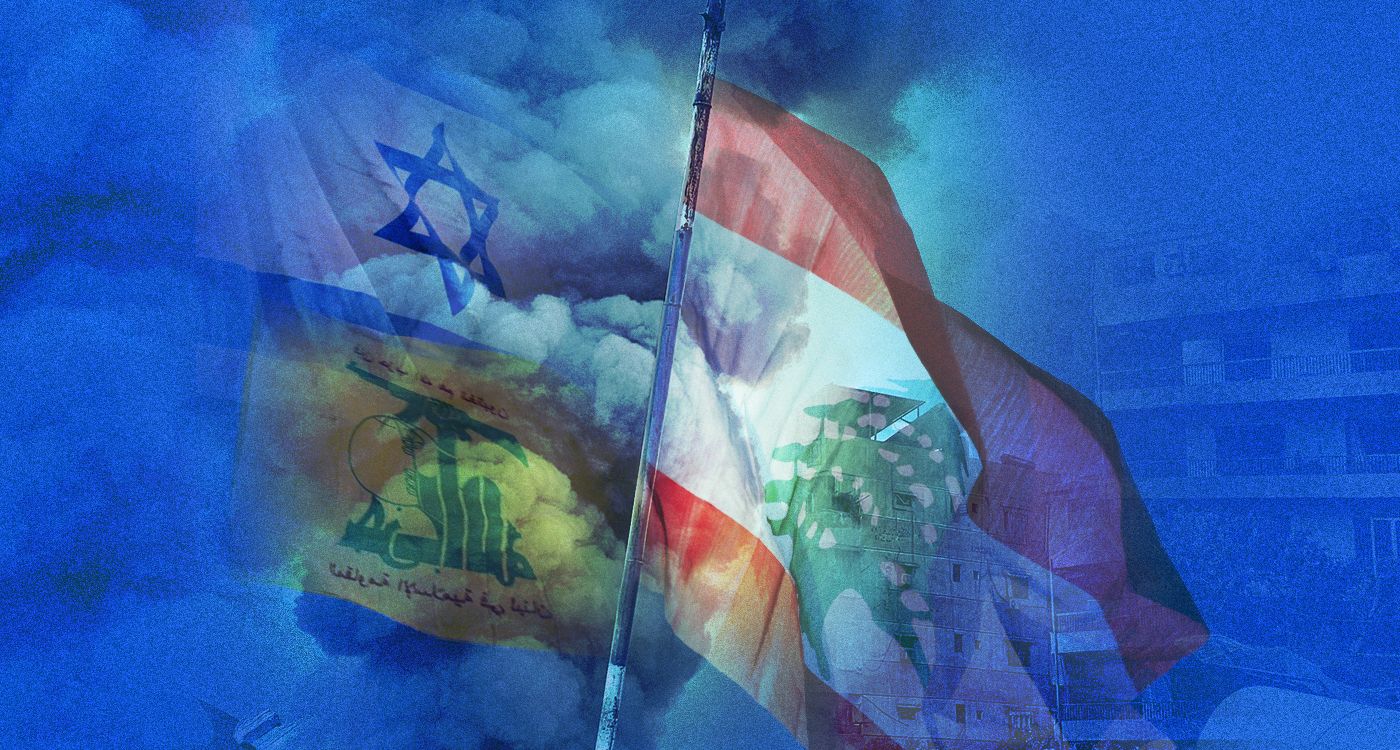
The Lebanon–Israel truce, extended by three weeks last Thursday, is already being put to the test. Escalating military exchanges in southern Lebanon are exposing both its fragility and the complicated political realities surrounding it. Both Israel and Hezbollah appear to see a potential breakdown of the truce as an opportunity to reshuffle the deck to suit their strategic aims.
The U.S. State Department says the agreement gives Israel the right to act against Hezbollah military activity. Hezbollah, for its part, has made clear it will respond to any Israeli strike. Since the truce was announced, Hezbollah’s officials have repeatedly reaffirmed a doctrine of retaliation, rejecting any return to the policy it adopted after the November 27, 2024 ceasefire, when it largely absorbed strikes without responding.
As such, the truce could collapse, tipping Lebanon back into war. Other pressures are already eroding it. Chief among them are stalled negotiations between Washington and Tehran, which directly impact the Lebanese arena, and Hezbollah’s continued insistence on retaining its weapons and pursuing military activity. The leadership of the Lebanese Armed Forces (LAF), for their part, have yet to take decisive steps to address Hezbollah’s arsenal. Taken together, these factors keep the risk of collapse a constant possibility.
It is evident that Hezbollah does not view the continuation of the truce as serving its strategic interests, particularly in light of the political optics surrounding the second round of direct Lebanon–Israel talks held at the White House. U.S. President Donald Trump’s sponsorship of these talks reinforces a pathway of separating the Lebanese track from the Iranian one, an outcome that runs counter to Tehran’s interests and threatens its influence in Lebanon.
From this perspective, the potential for escalation reflects Iran’s efforts to reclaim influence in Lebanon by reigniting Hezbollah’s conflict with Israel. Such a move could serve as a pressure tactic to disrupt the emerging diplomatic track between Lebanon and Israel, especially as Lebanese President Joseph Aoun had made the start of negotiations conditional on a ceasefire. Hezbollah’s escalation sends a dual message to Washington and Jerusalem: that the Lebanese state does not control realities on the ground, and that the true locus of any settlement lies in Tehran.
On the Israeli side, the acceptance of the truce appears to be more a tactical step driven by U.S. pressure than an independent strategic choice. Reports indicate Israel agreed to the truce under direct pressure from Trump and within the framework of launching a direct negotiation process with Lebanon. From Israel’s perspective, the process represents an opportunity for a diplomatic breakthrough with Lebanon that could redefine bilateral relations, serve both states’ interests, and reduce Iran’s influence over Beirut.
However, Israel's calculation remains contingent on the Lebanese state’s ability—particularly that of the LAF—to take tangible steps to address Hezbollah’s arsenal. If negotiations remain disconnected from progress on disarmament, the truce risks devolving into political and military stagnation, without a clear horizon or actionable outcomes. If the truce does not lead to meaningful progress on the issue of Hezbollah’s weapons, Israel may reassess the value of maintaining the truce.
In such a scenario, Israel may come to view the collapse of the truce as a viable option—even at the cost of halting negotiations with Lebanon—in order to restart military operations and press ahead with dismantling Hezbollah’s infrastructure. Talks could later resume once progress is made on disarmament, a prerequisite Israel sees as essential for both states’ interests.
The overall picture suggests that Israel and Hezbollah have largely exhausted the truce’s benefits. Its collapse therefore appears not just possible, but an almost logical outcome of a process that lacked the foundations for sustainability from the outset.


Comments