- 19
- Feb.
- 2026

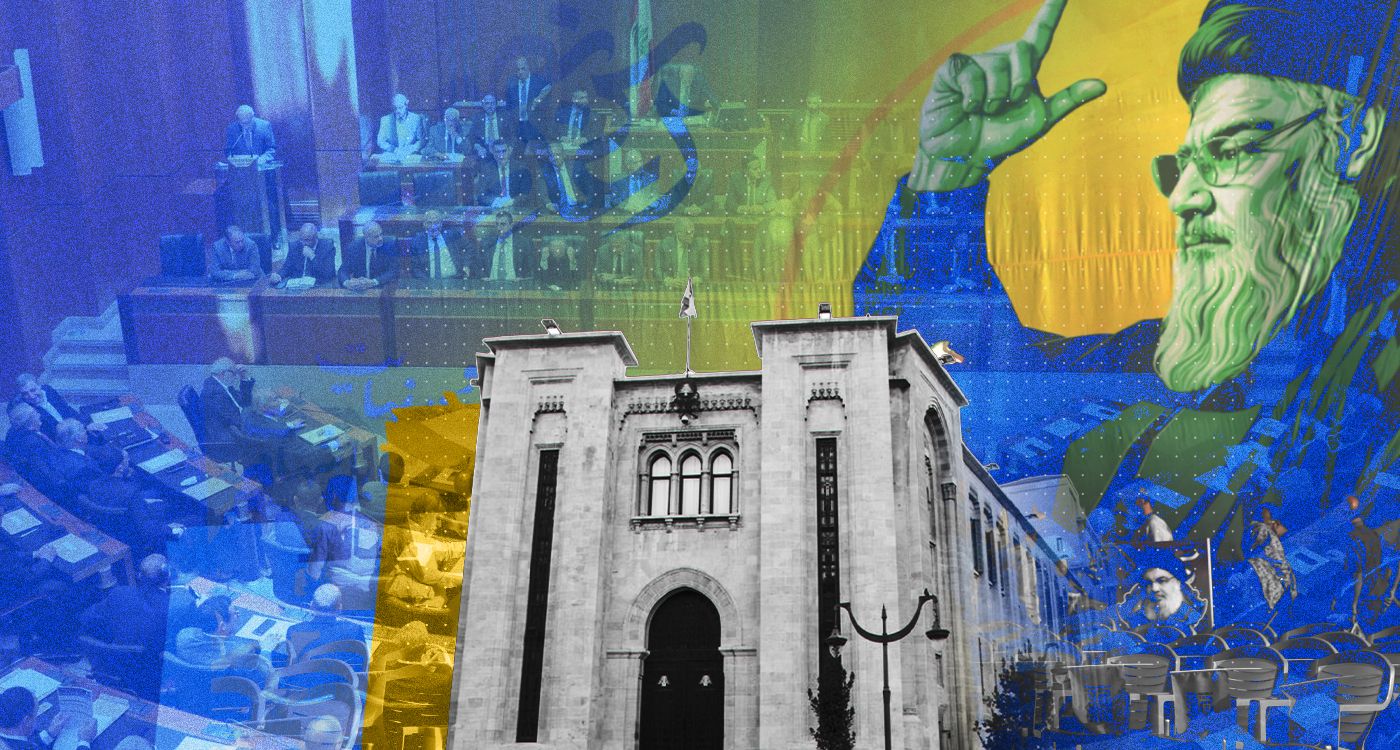
Whether Lebanon’s parliamentary elections are held on time in May or postponed, Hezbollah’s electoral machine appears to be in a state of full readiness. While the party commands the largest popular base within the Shia community, maintaining a wide lead over its closest ally, the Amal Movement, this electoral advantage has not bred complacency.
On the contrary, Hezbollah has doubled down on its organizational and mobilization efforts, activating its human and media resources to guard against any shift in public sentiment or potential attempts to penetrate its core constituency.
The upcoming elections will take place in a markedly different context from the ones held four years ago. The 2024 war between Israel and Hezbollah has produced profound shifts in Lebanon’s broader political landscape and within the country’s Shia community.
Israel’s assassination of former Hezbollah Secretary General Hassan Nasrallah dealt a severe blow to the organization, depriving it of his charismatic presence and deep emotional resonance among the Shia community. Nasrallah was not merely a political leader; over time, he became a symbolic authority capable of shaping public opinion and rallying supporters at pivotal moments.
However, while Nasrallah’s death has stripped Hezbollah of its central source of charismatic authority, it may serve as a powerful mobilizing force for the party. Hezbollah is expected to invest heavily in the symbolism of “martyrdom” to galvanize its base, framing the electoral battle as an act of loyalty to its leadership and the sacrifices made during the war.
This narrative will encompass not only Nasrallah’s death but the thousands of Hezbollah commanders and fighters killed during the conflict with Israel. Their families are deeply rooted in Shia towns and villages, where nearly every community has suffered losses that have left a lasting imprint on the collective psyche.
Alongside the loss of its iconic leader, two other pillars, central to Hezbollah’s past electoral campaigns, have been significantly shaken by its war with Israel. These were embodied in Hezbollah’s campaign slogan for the 2022 elections: “We Protect and We Build.”
Following the 2006 war with Israel, Nasrallah entrenched a narrative portraying Hezbollah’s military strength as a protective umbrella for southern Lebanon and an effective deterrent against large-scale Israeli military action. Over time, this narrative became a decisive electoral asset, reinforcing the belief among a broad segment of the Shia community—particularly those living near the Lebanese-Israeli border—that the party’s weapons provided tangible, day-to-day security.
The latest war, however, dealt a direct blow to this equation. A growing segment of the Shia community now believes that the party’s arsenal no longer guarantees protection as effectively as it once did.
While Hezbollah’s narrative of deterrence against Israel may have eroded, the organization’s weapons remain a key instrument of political influence within Lebanon. The party uses them to consolidate its dominance in Shia-majority areas where state institutions are weak, less influential, and largely deferential to Hezbollah’s authority.
As such, Hezbollah reframes its arsenal as a means of safeguarding the Shia community’s political standing within Lebanon’s delicate sectarian balance. Some of the party’s base views defending Hezbollah and its arsenal as synonymous with defending Shia influence within the state, fearing that disarmament would tilt the balance of power toward other sects.
While the “We Protect” component of Hezbollah’s 2022 campaign slogan has been visibly shaken, the “We Build” element appears even more fragile. The promise of reconstruction, long associated with Hezbollah’s image as a force capable of rapid compensation and rebuilding, now collides with a starkly different reality.
In the aftermath of the 2006 war, reconstruction efforts became central to helping communities overcome the devastation, enabling Hezbollah to swiftly restore its legitimacy within its constituency. Today, the picture is far different. More than a year after the war with Israel, large swathes of southern villages remain in ruins.
Hezbollah has distanced itself from reconstruction pledges made by Nasrallah, shifting responsibility onto the Lebanese state in an apparent effort to transfer the burden of failure to official institutions. Yet comparisons between 2006 and the present remain vivid among many in the Shia community, who note the contrast between the rapid rebuilding effort then and the current stagnation.
As Hezbollah’s inadequate compensations for war damages pose a potential electoral vulnerability, the party will likely turn to alternative measures to contain public frustration. Hezbollah is likely to revive the moral authority of its war casualties and the symbolism of blood sacrifice, attempting to use emotional capital to compensate for its material shortcomings.
The party is also expected to emphasize its continued control and influence on the ground in Shia-majority areas, implicitly signaling that it wields real power while the state remains weak and subordinate. This approach draws on a broader social tendency to align with the actor perceived as most powerful, particularly in environments where sectarian and political balances are seen as fragile.
Beyond symbolism, arms, and reconstruction, a fourth factor weighs heavily in Hezbollah’s electoral calculations: its financial resources and the extensive network of services the party administers within its constituency.
Although regional shifts, most notably the fall of Bashar al-Assad’s regime in Syria, have disrupted a key traditional supply line for Hezbollah, the party has not suffered total financial suffocation. It continues to channel funds into Lebanon through various means, leveraging illicit foreign networks and a parallel financial system built over years. Together, these financial mechanisms play a central role in consolidating the party’s influence within the Shia community.
Notably, the recent war did not significantly disrupt Hezbollah’s institutional infrastructure, whether financial, medical, educational, or social. From medical associations and hospitals to schools and social service centers, these institutions provide resources to Hezbollah’s constituents and serve as daily points of connection between the party and its base.
In the run-up to the elections, Hezbollah is likely to intensify its service provision, whether through expanded social assistance programs or increased direct aid. The party understands that financial support and social services can help offset the setbacks from its war with Israel, including diminished deterrence, stalled reconstruction, and psychological and social strains.
As such, Hezbollah’s system of social services is now an electoral lever comparable to its ideological and military structures. If symbolism stirs emotions and arms consolidate influence, money and services address immediate daily needs. Through this multi-layered strategy, Hezbollah seeks to recalibrate its relationship with its constituency and steer a pivotal electoral moment, reflecting a shift from a triumphalist discourse to one of containment and compensation.

Comments