- 10:25

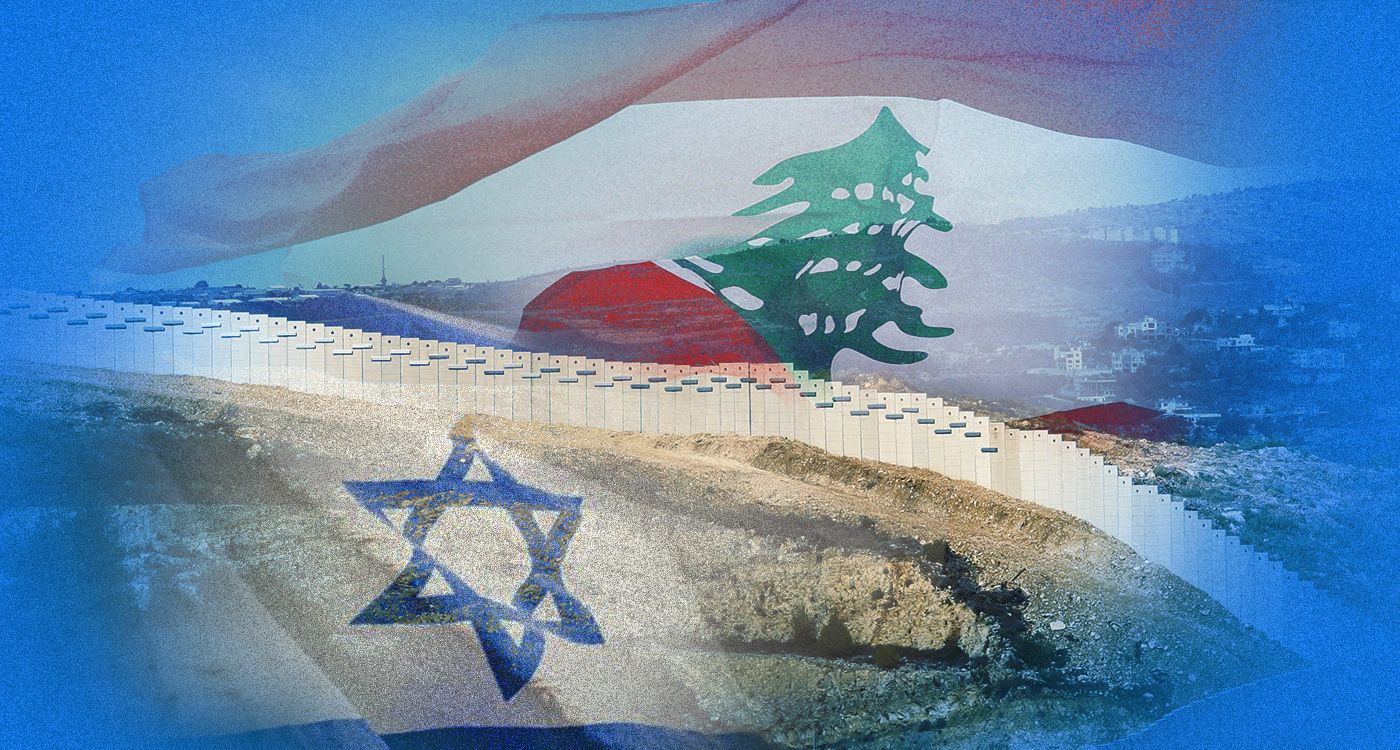
President Joseph Aoun’s decision to engage in direct negotiations with Israel marks a strategic turning point. For the first time in years, the Lebanese state is attempting to reclaim its diplomatic sovereignty after long being subordinated to regional calculations, foremost among them Iran’s influence.
The direct negotiations represent the most serious and realistic path toward safeguarding Lebanon’s interests, particularly by securing a potential Israeli withdrawal from occupied territories along the border and enabling residents to return to their homes. This would provide a genuine opportunity to end the use of southern Lebanon as an arena for foreign agendas. It would also open the door to reconstruction and long-term stability by providing Lebanon with the political and security guarantees it has long sought.
The latest round of the U.S.-mediated negotiations between Lebanon and Israel in Washington on May 14 and 15 marked an important milestone. The talks produced two distinct diplomatic tracks: one focused on security and military issues, and the other on political matters. This development indicates, in itself, a willingness to push the negotiations toward practical outcomes.
The significance of separate tracks lies in their ability to address security issues, which have consistently posed the principal obstacle to any political breakthrough between Lebanon and Israel. In turn, this will allow political negotiations to proceed with greater flexibility and speed, without being held hostage to unresolved security issues between the two countries. If current momentum continues, the political track could pave the way for understandings that reach the level of a peace agreement or a similar long-term arrangement. Yet any such political agreement, if reached, would remain contingent on resolving the security issues.
At a deeper level, Lebanon–Israel talks are driven less by political or territorial disputes than by the question of Hezbollah's weapons. These weapons constitute the central obstacle to future stability and diplomatic relations between Beirut and Jerusalem. As negotiations progress, questions are once again emerging over whether Lebanon’s political leadership and the Lebanese Armed Forces (LAF) command are willing to implement government decisions to seize non-state arms.
The decision to enter direct talks with Israel, and the cabinet's March 2 decree banning Hezbollah's military activities, represent a positive shift in Lebanon's approach to sovereignty. Yet their impact remains limited without clear and decisive implementation. The Lebanese state will not be judged by its statements and declarations, but by its capacity to enforce its decisions and impose its authority across the entire country.
To date, Lebanon’s political leadership has shown no real seriousness in advancing Hezbollah’s disarmament, while the LAF command has been reluctant to enforce government decisions aimed at consolidating state control over weapons. Against this backdrop, concerns are growing that Lebanese government decisions may amount to little more than media messaging and empty slogans.
Failure to seriously implement government decisions threatens Lebanon’s credibility domestically and internationally. It also jeopardizes Beirut’s demands in talks with Israel, including ending the war, securing an Israeli withdrawal, and enabling reconstruction and the return of normal life in the south.
More dangerously, this deadlock could lead to declining international interest in Lebanon, particularly from the U.S. This risk would grow if Washington’s sponsorship of the negotiations fails to produce tangible progress amid weak political will in Beirut and the LAF command to disarm Hezbollah. Should Lebanon’s hesitation persist, the country risks squandering a historic opportunity that could end its role as an arena for foreign conflicts and set it on the path to lasting peace.


Comments