

Can the Lebanese Army Move Against Hezbollah Before Washington Loses Patience?
Amal Chmouny 15/05 13:00 - Reading : 6 minute(s)
Lebanese Army Hezbollah Washington Donald Trump Hassan Nasrallah
In the windowless corridors of the Rayburn House Office Building and the high-stakes briefing rooms of Foggy Bottom, Washington’s long-standing consensus on Lebanon is fracturing. For years, U.S. policy toward the Lebanese Armed Forces (LAF) was treated as a "sacred cow," a low-cost investment to keep a fragile state from collapse. But as of ...

Lebanon Ceasefire Opens a Diplomatic Window, Now Comes the Hard Part
Amal Chmouny 02/05 18:40 - Reading : 6 minute(s)
Lebanon Ceasefire Donald Trump Lebanese Army Benjamin Netanyahu
When the ambassadors of Lebanon and Israel met at the White House on April 23, it was the kind of image that would have seemed unthinkable just months earlier. Their joint appearance alongside President Donald Trump — to announce a three-week extension of the cessation of hostilities — was a shift from decades of indirect, back-channel ...

A State Decides: Lebanon's Bet on Direct Talks with Israel
Amal Chmouny 20/04 13:55 - Reading : 5 minute(s)
Lebanon Israel Donald Trump Lebanese Army Hezbollah
For the first time in decades, the U.S. has brokered direct talks between Lebanon and Israel, beginning with a 10-day cessation of hostilities and a commitment to negotiate in good faith. Washington says lasting calm will require the Lebanese state to reassert sovereignty over non-state arms. President Donald Trump said the initiative had created ...

Amid Hezbollah’s War, Lebanon Faces a Test of Sovereignty
Amal Chmouny 08/04 13:10 - Reading : 4 minute(s)
Lebanon Hezbollah Lebanese Army United Nations Israel
Hezbollah plunging Lebanon into yet another war with Israel came as no surprise. For years, Lebanese officials and international partners have warned that Hezbollah’s unchecked militarization in the south was an invitation to catastrophe. Those warnings have become reality as Israel deepens its ground invasion to neutralize what it sees as an ...
Lebanon’s Paralysis, Hezbollah’s Impunity, and a War Without Exit
Amal Chmouny 27/03 10:30 - Reading : 5 minute(s)
Lebanon Hezbollah Nawaf Salam Lebanese Army Israel
Hopes for a swift end to Israel’s military campaign in Lebanon have all but faded, as Jerusalem signals it is preparing to establish a buffer zone up to the Litani River until Hezbollah is no longer a threat. At the same time, U.S. policymakers privately acknowledge that de-escalation is not possible without a fundamental shift within Lebanon ...

Lebanon’s Last Chance: A Turning Point or the Point of No Return?
Amal Chmouny 19/03 12:55 - Reading : 7 minute(s)
Lebanon Amal Lebanese Army Hezbollah Israel
Caught in the escalating conflict between Hezbollah and Israel, Lebanon faces a critical turning point. The Lebanese state can no longer claim sovereignty while tolerating an armed militia that unilaterally dictates war and peace. President Joseph Aoun’s assertion that Hezbollah seeks the “collapse of the Lebanese state” and the ...

Lebanon Plea: A Peace Initiative or a Lifeline for Hezbollah?
Amal Chmouny 13/03 11:50 - Reading : 6 minute(s)
Lebanon Hezbollah Lebanese Army Israel Joseph Aoun
Lebanon’s call for direct negotiations with Israel and its pledge to disarm Hezbollah are being framed in Beirut as historic. But it may instead be a delayed response, too late to stop the war, too weak to change its course, and potentially giving Hezbollah room to maneuver. On Monday, President Joseph Aoun urged an immediate ceasefire and ...
Lebanon Bans Hezbollah’s Military Activities, But Stops Short of Terrorism Label
Amal Chmouny 04/03 22:10 - Reading : 7 minute(s)
Lebanon Hezbollah Nawaf Salam Lebanese Army Israel
In an unprecedented move, Lebanon’s government on March 2 banned all Hezbollah’s military and security activities and instructed the Lebanese Armed Forces (LAF) to immediately move forward with its plan to disarm the militia. The decision came hours after a Hezbollah rocket barrage into Israel, which triggered a widescale military ...

Praise or Pressure: What CENTCOM's Commendation for the LAF Tells Lebanon
Amal Chmouny 19/02 15:35 - Reading : 7 minute(s)
Lebanese Army Lebanon Hezbollah Israel Saudi Arabia
U.S. Central Command (CENTCOM) chief Brad Cooper’s praise of the Lebanese Armed Forces (LAF) for uncovering a "massive underground tunnel" near the southern border represents far more than routine diplomatic protocol. While his February 9 statement commended the LAF, it implicitly contested the Lebanese army’s announcement the previous month ...

U.S. Rep. LaHood to This Is Beirut: “No Progress, No Support,” Lebanon Must Act Now
Amal Chmouny 10/02 18:00 - Reading : 6 minute(s)
Lebanon Lebanese Army Amal Donald Trump Hezbollah
When Lebanese Army Commander Gen. Rodolphe Haykal arrived in the U.S. capital during the first week of February, he entered a fundamentally transformed strategic landscape. The meetings that unfolded—from tense political exchanges to a dramatic walkout by Sen. Lindsey Graham—crystallized a stark reality: Lebanon’s decades-long balancing act ...

The Shia Duo Under Strain: How Iran’s Crisis Is Realigning Amal and Hezbollah
Amal Chmouny 02/02 14:00 - Reading : 8 minute(s)
Amal Hezbollah Hassan Nasrallah Lebanon Joseph Aoun
When Lebanese Parliament Speaker Nabih Berri met with Joseph Aoun on January 23, at the height of Hezbollah’s rhetorical campaign against the president, the gesture spoke volumes. As Hezbollah Secretary General Naim Qassem rejected disarmament and warned of civil war, Berri moved to restore communication channels, differentiating his Amal ...
2026 NDS: America First Ushers in a New Era of Selective Engagement in the Middle East
Amal Chmouny 24/01 19:40 - Reading : 7 minute(s)
United States Middle East Iran
The newly released 2026 National Defense Strategy (NDS) marks a dramatic pivot in American foreign policy, embracing what officials call “pragmatic realism” while fundamentally redefining U.S. engagement in the Middle East. Under an “America First” framework, the strategy moves away from large-scale military interventions in favor of ...

Lebanon’s Disarmament Gamble: Fragile Gains and Uncertain Path Forward
Amal Chmouny 15/01 13:30 - Reading : 9 minute(s)
Lebanon Donald Trump Lebanese Army Benjamin Netanyahu Hezbollah
Lebanon is preparing to confiscate Hezbollah’s weapons north of the Litani River, a step that will test whether the state has the capacity to follow through on the government’s stated commitment to disarm the group. On January 8, the Lebanese Armed Forces (LAF) announced that it had completed the disarmament of Hezbollah south of the Litani. ...
Ahead of 2026, Washington's Tougher Terms for Lebanon
Amal Chmouny 2025-12-31 17:10 - Reading : 6 minute(s)
Lebanon Washington Donald Trump Lebanese Army Amal
Heading into 2026, U.S. engagement in Lebanon has become explicitly conditioned on measurable progress toward Hezbollah’s disarmament, marking a clear break from the strategic ambiguity that long defined Washington’s approach. The aftermath of the 2024 Israel–Hezbollah conflict, alongside Lebanon’s deepening economic and political crises, ...
UNRWA in the Crosshairs: U.S. Weighs Unprecedented Sanctions
Amal Chmouny 2025-12-22 10:00 - Reading : 6 minute(s)
United Nations Lebanon Donald Trump Hamas UNRWA
In the shadow of the Gaza conflict, a quiet but consequential debate is unfolding in Washington over whether the U.S. should designate the United Nations Relief and Works Agency (UNRWA) as a terrorist-affiliated entity and impose sweeping sanctions. A move once viewed as unthinkable is now the subject of urgent policy deliberations, with senior ...
No More Free Passes: U.S. Ties Security Aid to Lebanese Action
Amal Chmouny 2025-12-11 10:30 - Reading : 6 minute(s)
Lebanese Army Lebanon US congress NDAA Hezbollah Disarmament
The U.S. Congress has sent a clear, stern message to Beirut that Washington’s support for the Lebanese Armed Forces (LAF) is no longer a blank check. The latest version of the National Defense Authorization Act (NDAA), up for a vote in the House of Representatives, imposes new conditions and restrictions on U.S. aid to the Lebanese army, ...
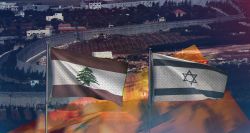
Teetering on the Edge: Escalation Along the Lebanon–Israel Border
Amal Chmouny 2025-12-08 14:00 - Reading : 9 minute(s)
Lebanon Israel United States Hezbollah
The Israeli-Lebanese border is now one of the Middle East’s most volatile fronts, where a “low-intensity” conflict feels less like crisis management and more like a dress rehearsal for an imminent war. U.S. and Israeli officials are no longer debating whether fighting will erupt again, but how quickly and extensively it could escalate, ...

Washington Sends Warning with Cancellation of LAF Chief’s Trip
Amal Chmouny 2025-11-20 23:55 - Reading : 6 minute(s)
Lebanon LAF United States Washington
Washington's abrupt cancellation of Lebanese Armed Forces (LAF) chief General Rodolphe Haykal's planned visit earlier this week signals deepening U.S. dissatisfaction with both Lebanon's approach to Hezbollah's disarmament and the LAF’s public stances on ongoing Israeli border incursions. Haykal, appointed to his post in March, was poised for ...

Lebanon’s Last Chance: Disarm Hezbollah or Risk Collapse
Amal Chmouny 2025-10-25 11:30 - Reading : 4 minute(s)
Nawaf Salam Lebanon Hezbollah United States Donald Trump
Lebanon’s long‑simmering debate over Hezbollah’s disarmament has sharpened into a defining confrontation between state sovereignty and a foreign‑backed militia. In Washington, the issue is becoming the centerpiece of US regional policy. For President Trump’s administration, Hezbollah’s disarmament is not merely a security objective but ...
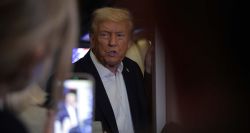
Trump Pressures Lebanon to Disarm Hezbollah Following Gaza Agreement
Amal Chmouny 2025-10-15 09:00 - Reading : 4 minute(s)
Nawaf Salam Lebanon Hezbollah United States
In the wake of the recent Gaza peace agreement, the United States is sharpening its focus on disarming Hezbollah, the militant group that has long contributed to Lebanon's instability. The aftermath of this agreement is expected to catalyze significant geopolitical shifts, compelling external powers, particularly the US, to take decisive actions ...
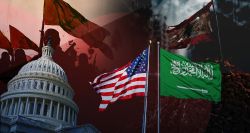
Lebanon's Half Measures Lead to Growing US Skepticism
Amal Chmouny 2025-10-01 09:00 - Reading : 3 minute(s)
Nawaf Salam Lebanon Washington United States Hezbollah
As Lebanese leaders continue to implement half measures that fail to address pressing issues decisively, voices in Washington are increasingly questioning the US's support for Beirut. The context is troubling. From across the Atlantic, it is clear that Lebanese officials have yet to confront their fear of a "weak and defeated" Hezbollah, while the ...

A Historic Opportunity for Lebanon: Senator Lindsey Graham’s Vision for Defense and Diversity
Amal Chmouny 2025-09-12 09:00 - Reading : 3 minute(s)
Nawaf Salam Lebanon United States Hezbollah
During a recent visit to Beirut, Senator Lindsey Graham emphasized Lebanon’s unique role as a beacon of coexistence and resilience, driven by its diverse religious and ethnic communities. He proposed a robust defense agreement between the United States and Lebanon, positioning it as a strategic avenue for enhancing regional stability and ...

US Pushes for Strategic Shift in UNIFIL's Mandate as Tensions Rise over Its Renewal
Amal Chmouny 2025-08-25 11:30 - Reading : 4 minute(s)
USA Lebanese Army UN Security Council Hezbollah UNIFIL
As the deadline for renewing the United Nations Interim Force in Lebanon's (UNIFIL) mandate approaches on August 31, 2025, significant tensions are emerging within the UN Security Council. A scheduled vote has been canceled, and diplomatic efforts are intensifying to address ongoing disagreements, particularly centered on the United States' ...
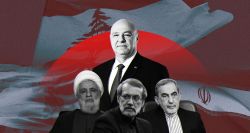
Lebanon Reinforces Its Sovereignty as Hezbollah and Iranian Influence Decline
Amal Chmouny 2025-08-16 12:00 - Reading : 4 minute(s)
Hezbollah Tehran United States USA Washington
In recent months, the geopolitical landscape in Lebanon has undergone a notable shift as Iran's influence, particularly through its support of Hezbollah, faces growing scrutiny and challenge. The once seemingly unassailable grip that Tehran had over Lebanese affairs is being tested, as internal tensions rise and the Lebanese government seeks to ...

Challenges to Hezbollah's Resurgence and Lebanon's Sovereignty
Amal Chmouny 2025-08-10 09:00 - Reading : 4 minute(s)
Nawaf Salam Hezbollah Lebanese Army Donald Trump Joseph Aoun
Lebanon is navigating a complex political and military landscape, with a strong push from the United States and the international community encouraging the Lebanese government to enhance state sovereignty and work towards the disarmament of Hezbollah and other armed groups. Recently, US presidential envoy Tom Barrack presented a comprehensive plan ...

Between the Dilemma of Disarming Hezbollah and the Challenge of Rising Israeli Tensions
Amal Chmouny 2025-07-21 20:00 - Reading : 3 minute(s)
Nawaf Salam Lebanon Hezbollah United States
The dialogue between the US and Lebanon concerning Hezbollah's disarmament has entered a crucial phase, characterized by urgency, skepticism and regional complexities. US envoy Tom Barrack emphasized the need for rapid and structured progress, a sentiment echoed in messages from Washington. However, as events unfold, the inherent challenges of ...
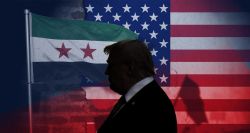
Efforts in Congress to Repeal the Caesar Act Amid Shifts in Syria
Amal Chmouny 2025-07-16 10:30 - Reading : 3 minute(s)
Syria United States Sanctions Caesar Act Donald Trump
In a significant shift in US foreign policy, a growing bipartisan movement in Congress is pushing to repeal the Caesar Syria Civilian Protection Act of 2019. This push follows President Trump's recent executive order that lifted several longstanding US sanctions on Syria, coinciding with a transformative political climate in the region, ...

Syrian-Israeli Relations: The Emergence of Complex Dialogue
Amal Chmouny 2025-07-12 10:00 - Reading : 4 minute(s)
Nawaf Salam Syria Washington United States
A significant shift is unfolding in the Middle East's diplomatic landscape as dialogue between Syria and Israel begins to take shape. This budding interaction has garnered substantial international attention, particularly as the United States and the United Arab Emirates assume pivotal roles as facilitators. Tom Barrack, the US Ambassador to ...

The US Push for Hezbollah Disarmament and the Future of Lebanon
Amal Chmouny 2025-06-30 12:40 - Reading : 4 minute(s)
Nawaf Salam Lebanon Hezbollah Syria United States
As the United States escalates its initiatives aimed at the disarmament of Hezbollah, the Lebanese government finds itself at a critical juncture, facing a multitude of internal and external challenges. A recent statement from Tom Barrack, the US Ambassador to Turkey, the Presidential Envoy to Syria, and the "de facto envoy" to Lebanon, ...

Trump's New Motto: Make Iran Great Again!
Amal Chmouny 2025-06-23 15:00 - Reading : 4 minute(s)
Nawaf Salam Iran United States Donald Trump
In a significant escalation of military tensions in the Middle East, President Donald Trump recently authorized US airstrikes on three key Iranian nuclear facilities, including the heavily fortified Fordow site. Following the military action, Trump expressed Sunday his thoughts on Truth Social, stating, "It's not politically correct to use the ...