- 02
- May
- 2026
AnalysisLebanon Ceasefire Opens a Diplomatic Window, Now Comes the Hard Part
Read : 6 minute(s) A A A
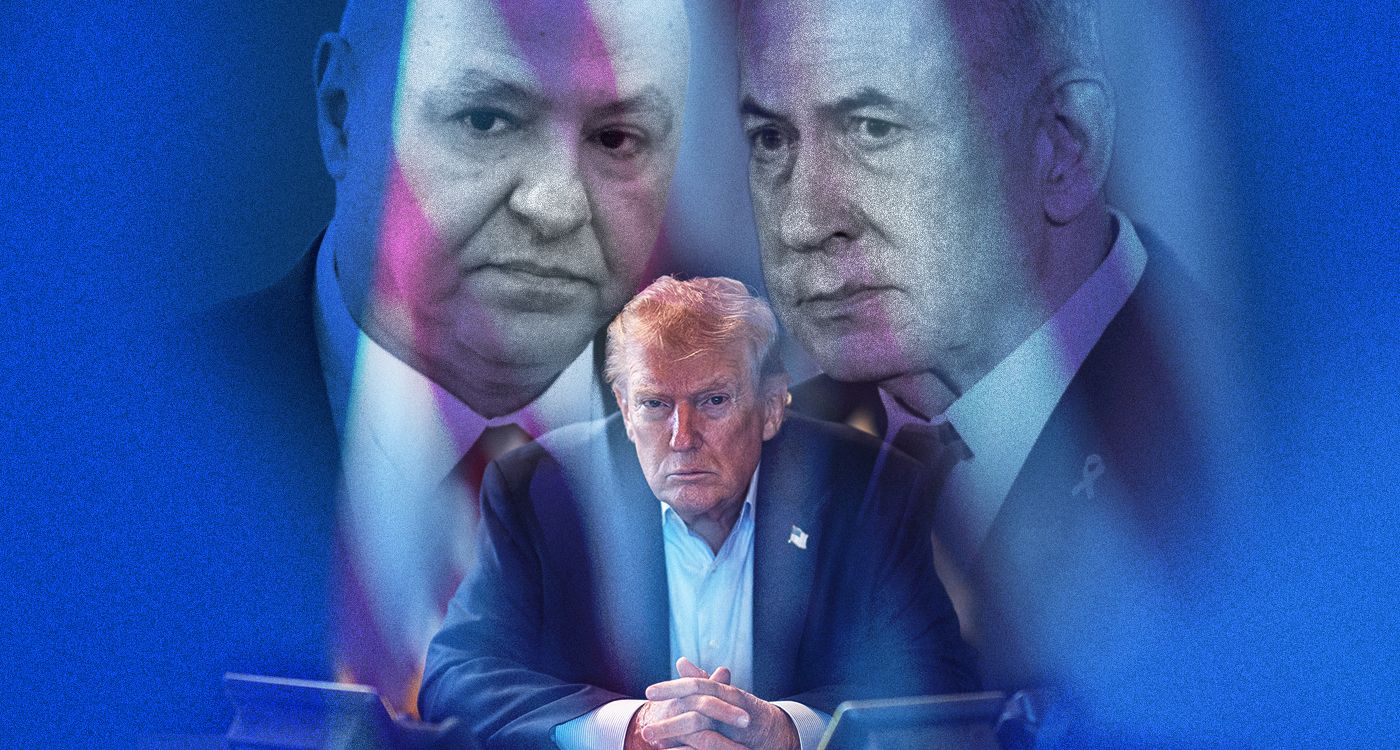
When the ambassadors of Lebanon and Israel met at the White House on April 23, it was the kind of image that would have seemed unthinkable just months earlier. Their joint appearance alongside President Donald Trump — to announce a three-week extension of the cessation of hostilities — was a shift from decades of indirect, back-channel contacts to overt, face-to-face diplomacy.
The moment was made possible by a convergence of interests between Washington, Jerusalem, and Beirut as all three seek to end the destabilizing influence of Hezbollah and Iran in Lebanon. Moving forward, the U.S. diplomatic effort, led by Trump and Secretary of State Marco Rubio, aims to turn a fragile ceasefire between Lebanon and Israel into lasting peace.
As a next step, the U.S. Embassy in Lebanon on April 30 urged a direct meeting between Lebanese President Joseph Aoun and Israeli Prime Minister Benjamin Netanyahu, while Trump said he hoped to host the two leaders.
“We’re in a very unusual moment with the president of the U.S. deeply engaged on this issue,” Washington Institute for Near East Policy executive director Robert Satloff told This is Beirut.
However, Satloff cautioned that the diplomatic opening “will not last long if Lebanon does not take full advantage of the opportunity.”
Whether this moment becomes a turning point—or just another pause in a cycle of crises—depends on whether the Lebanese state, with Washington’s support, can overcome the obstacle posed by Hezbollah’s arms.
Blueprint for Lebanese Sovereignty
The U.S. diplomatic blueprint aims to bolster Lebanese state efforts to assert sovereignty and a monopoly on force. Washington’s aim is to end Hezbollah’s autonomy as a parallel military force operating outside state control in Lebanon.
The plan conditions Israel’s halt to military operations and withdrawal from southern Lebanon on Beirut’s ability to assert effective security control over the country, particularly in the south. Progress would be measured by the Lebanese Armed Forces’ (LAF) performance, echoing phased approaches from past peace efforts, but with sharper incentives and consequences.
Washington’s efforts also cast the nascent direct negotiations between Lebanon and Israel as an extension of the Abraham Accords, envisioning not just security arrangements but eventual normalization.
“There is a gap of expectations and timing,” Satloff said. He explained that while Lebanon wants to focus on an Israeli withdrawal from Lebanese territory, Israel does not want to do so as the first step in the process.
“The Israelis don’t oppose withdrawal, they just see it as a result of the full disarmament of Hezbollah,” Satloff said. Despite these differences, he said, both Lebanon and Israel have “strategic objectives that overlap even if they’re not identical.”
While those shared interests create some alignment, the two sides bring divergent priorities to the table. Israel seeks the complete disarmament of Hezbollah and the dismantling of its military infrastructure, while Lebanon is calling for a swift end to Israeli military actions and urgent humanitarian assistance for its battered south.
In response, the U.S. blueprint is based on “phased reciprocity,” under which Washington reaffirms Israel’s right to self-defense, while Lebanon would receive financial aid and support for reconstruction in return for reining in Hezbollah.
Washington’s principal recommendation for the ceasefire is to focus on a tangible “win” for both Lebanon and Israel, namely demarcating their land border. This would set the stage for further progress.
The Elephant in the Room
The greatest challenge to Washington’s efforts in Lebanon remains Hezbollah. Despite triggering the latest round of fighting, the group is not party to the current ceasefire and has rejected the legitimacy of direct talks between Lebanon and Israel.
Rubio captured this dynamic in an April 27 interview, saying that “the main issue is Hezbollah, which is a problem for both Israel and Lebanon. The goal is for the Lebanese state, not Israel, to deal with Hezbollah… both the Lebanese and Israeli governments want peace and want Hezbollah gone.”
Foundation for Defense of Democracies Vice President Jonathan Schanzer told This Is Beirut that the success of diplomacy hinges on overcoming the challenge posed by Hezbollah.
“You can have all of the diplomacy that you want. You can have agreements between Israel and Lebanon, with plans for mutually recognized borders, non-aggression pacts, and even normalization… [but] at some point, they’re going to have to figure out how to disarm Hezbollah,” he said.
The U.S. strategy to curb Hezbollah offers expanded military aid as an incentive for the LAF alongside the threat of congressional withdrawal of financial support to spur Beirut to act on Hezbollah’s disarmament.
Separately, Rubio revealed that Washington plans to strengthen select LAF units—training, equipping, and enabling them to challenge Hezbollah’s military autonomy.
“There is a pretty clear carrot-and-stick situation going on here, with a huge carrot, including the president of the United States and a very significant stick which would come with his disappointment and Congressional disapproval if Lebanon doesn’t perform,” Satloff said.
Diplomacy over Escalation
A key element of the U.S. strategy to bolster Lebanon’s sovereignty is to decouple the country’s fate from broader regional diplomatic tracks. Washington aims to shield its efforts in Lebanon from external interference while focusing on achievable, incremental progress and emphasizing diplomacy over military escalation.
“The process is still at its very beginning. And so I think we should give the peacemakers a chance to show what they can do,” Satloff said.
The coming weeks will test not only Washington’s diplomatic skill but Lebanon’s political will. The U.S. has made clear that its support for Beirut hinges on it enforcing its sovereignty over southern Lebanon. Israel, for its part, is offered security and the prospect of normalization.
The hardest question remains what happens if Hezbollah refuses to disarm. A sustainable peace will require not just agreements, but a transformation of southern Lebanon’s security situation and the political realities in Beirut.
For now, the extension of the ceasefire is a diplomatic victory, albeit a fragile one. “This is the beginning of a new moment in the Middle East, and the U.S. is the right broker for this right now,” Schanzer said.



Comments