

Hezbollah’s Disarmament Takes Center Stage Ahead of Lebanon-Israel Talks
Claudia Groeling 11/05 09:15 - Reading : 5 minute(s)
Lebanon Hezbollah Israel Lebanese Army Donald Trump
With the U.S. set to mediate a third round of Lebanon-Israel talks on May 14 and 15, Washington has made clear that Hezbollah’s disarmament will be central to efforts to reach a broader security and peace arrangement between the two countries. “Comprehensive peace is contingent on the full restoration of Lebanese state authority and the ...

After Ceasefire, South Lebanon Residents Back Negotiations for Peace
Claudia Groeling 19/04 19:25 - Reading : less than a minute
Lebanon Ceasefire South Lebanon
Residents across Nabatieh in south Lebanon voiced deep exhaustion from repeated cycles of war, stressing the need for the Lebanese state and army to restore security and stability. As talks continue, many see direct negotiations as the only viable path to lasting peace.
Lebanese Voices Optimistic About Direct Talks With Israel
Claudia Groeling 17/04 11:35 - Reading : less than a minute
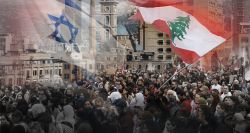
Following the direct negotiations that took place on April 14, the first high-level, U.S.-mediated talks between Lebanese and Israeli representatives since 1993, This Is Beirut spoke to residents on the ground to understand their views on the discussions and what they hope comes next. Many expressed support for direct negotiations, saying they ...

Beirut: A Safe and Weapon-Free City
Claudia Groeling 16/04 17:10 - Reading : less than a minute
In Beirut, MPs from across political lines met to discuss declaring the capital a weapons-free city and restricting arms exclusively to state control. MP Fouad Makhzoumi: Called for army deployment in Beirut and the southern suburbs and activating coordination mechanisms to keep the capital free of weapons. MP Ghassan Hasbani: Said effective ...

Beirut Weapons Ban: Too Late to Restore State Control?
Claudia Groeling 10/04 16:50 - Reading : 4 minute(s)
Lebanese Army Nawaf Salam Lebanon Amal Hezbollah
Lebanon’s government on Thursday instructed security forces to restrict weapons in Beirut exclusively to state institutions. The move came one day after Israel launched its most intense and coordinated wave of airstrikes on Lebanon since the start of the war, hitting more than 100 targets across the country. "The army and security forces are ...
Hezbollah’s Grip on Displacement Centers Threatens Civilians and Aid
Claudia Groeling 10/04 09:20 - Reading : 4 minute(s)
Hezbollah Lebanese Army Lebanon Israel Lebanese Forces
More than a million Lebanese have been displaced since Hezbollah plunged Lebanon into war with Israel, with many now seeking refuge in communal shelters draped in Iranian flags and guarded by the militant group’s fighters. Hamed Abou Zahr, head of the Aamalouna displacement center in Sidon, warned that other shelters were “openly ...
Makhzoumi: Peace with Israel Is Lebanon's Only Option, Hezbollah Must Be Dismantled
Claudia Groeling 06/04 17:15 - Reading : less than a minute
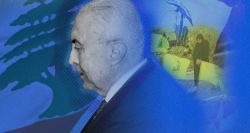
In an exclusive interview with This is Beirut, Parliamentarian Fouad Makhzoumi discussed critical issues in Lebanon: achieving peace with Israel through clear government mandates, fully disarming Hezbollah and cutting its funding, and restoring government control over security, aid, and reconstruction efforts. By Claudia Groeling and Kaline Antoun

Blurring the Lines: How Hezbollah Obscures Civilian and Combatant Deaths
Claudia Groeling 01/04 15:05 - Reading : 6 minute(s)
Hezbollah Lebanon Hamas Israel Lebanese Forces
Since the outbreak of war between Israel and Hezbollah, Lebanon’s Health Ministry reported 1,268 dead in Israeli strikes as of March 31, but offers no breakdown between civilians and Hezbollah fighters, leaving the real human toll shrouded in uncertainty. Dr. Joseph Helou, head of the Medical Care Directorate at the Ministry of Public ...
Explaining the U.S. Troop Buildup as Trump Pushes Iran Talks
Claudia Groeling 27/03 10:00 - Reading : 6 minute(s)
Donald Trump Middle East Tehran United States USA
Amid escalating rhetoric from U.S. President Donald Trump, including threats of further strikes on Iran’s Kharg Island, Washington has signaled openness to negotiations with Tehran. While Trump has not formally indicated plans to invade Kharg Island, through which 90 percent of Iran’s oil exports flow, he has made ...

Lebanon Declares Iran's Ambassador Unwelcome, But Can It Make Him Leave?
Claudia Groeling 25/03 21:20 - Reading : 4 minute(s)
Lebanon Hezbollah Israel Tehran United Nations
The Lebanese state has formally expelled Iran’s envoy to Beirut, its latest step to curb Tehran’s influence as the conflict between Israel and Iran-backed Hezbollah intensifies. On March 24, Lebanese Foreign Minister Youssef Rajji said he had instructed his ministry to inform Iran’s chargé d’affaires in Lebanon, Toufiq Samadi Khoshkou, ...

Christian Communities on the Frontline: Anger at Hezbollah Grows
Claudia Groeling 24/03 21:55 - Reading : less than a minute
This is Beirut traveled to southern Lebanon and the Beqaa Valley, where Christian communities voiced a clear desire for peace amid the escalating war. Many residents blamed Hezbollah for dragging Lebanon into the conflict without national consensus, saying they are now forced to bear its consequences. While expressing solidarity with displaced ...
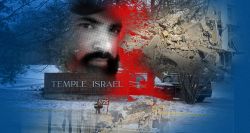
Roots of Radicalization: The Lebanese Immigrant Behind the Michigan Attack
Claudia Groeling 19/03 12:50 - Reading : 4 minute(s)
Lebanon Hezbollah Israel USA Washington
A Lebanese immigrant to the U.S. last Thursday drove a truck laden with explosives into a synagogue in Michigan, as Israel fought a war with Hezbollah thousands of miles away, a group to which the assailant’s brother reportedly has ties. The FBI described Ayman Ghazali’s attack as a “targeted act of violence against the Jewish community.” ...
Lebanon’s Government Moves to Rein in Hezbollah, But Is It Enough?
Claudia Groeling 08/03 12:00 - Reading : 5 minute(s)
Lebanon Hezbollah Nawaf Salam Lebanese Army Benjamin Netanyahu
After Hezbollah drew Lebanon into the regional conflict with its March 2 attack on Israel, the Lebanese government signaled increased urgency to assert state authority and seize the militia’s arsenal. The cabinet’s headline-making decisions include banning Hezbollah’s military and security activities, directing the Lebanese Armed Forces ...
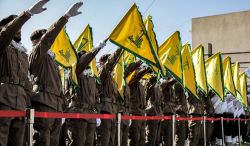
After Khamenei’s Killing, Will Hezbollah Enter the War?
Claudia Groeling 01/03 00:00 - Reading : 4 minute(s)
Hezbollah Nawaf Salam Lebanon Israel Joseph Aoun
Israeli officials claim that Iran’s Supreme Leader, Ayatollah Ali Khamenei, has been killed in a joint U.S.–Israeli strike, shifting global attention toward Lebanon amid fears of regional escalation. The question now dominating security circles is whether Hezbollah will enter the confrontation in support of Tehran. Analysts have ...

Who Rises Next? Sunni Perspectives on the Muslim Brotherhood and President Al-Sharaa
Claudia Groeling 06/02 23:25 - Reading : less than a minute
In Lebanon today, the Sunni streets are largely leaderless, and many are searching for new direction. This Is Beirut went on the ground in Sunni areas to ask residents about the Muslim Brotherhood’s designation as a foreign terrorist organization and whether the Brotherhood or President Ahmed al-Sharaa can fill the leadership void. Many ...
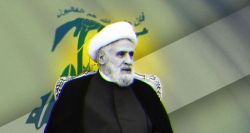
How Would Hezbollah Respond to U.S.-Iran Escalation?
Claudia Groeling 27/01 22:40 - Reading : 6 minute(s)
Hezbollah Donald Trump Lebanon Israel Middle East
On Tuesday, Hezbollah Secretary-General Naim Qassem said in an address that the pro-Iranian militant group would not remain neutral in the event of any aggression against Iran, stressing that Hezbollah is prepared to defend itself and would determine the timing and nature of any response. Hezbollah “will not remain silent about ...
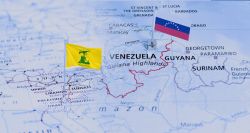
After Maduro: The Challenge of Dismantling Hezbollah in Venezuela
Claudia Groeling 26/01 09:35 - Reading : 9 minute(s)
Hezbollah Lebanon Donald Trump Tehran US Secretary of State
After U.S. special forces captured Venezuelan leader Nicolás Maduro in Caracas on January 3, Secretary of State Marco Rubio vowed that Washington would uproot Hezbollah and Iranian influence in the South American country. “We are not going to have a country like Venezuela in our own hemisphere, in the sphere of control and the crossroads for ...

Why Lebanon’s Shia Opposition Sees Opportunity in the 2026 Elections
Claudia Groeling 19/01 15:41 - Reading : 11 minute(s)
Hezbollah Amal Lebanon Elections Parliament Opposition
Lebanon’s upcoming parliamentary elections are shaping up as a test of Hezbollah’s political standing at a moment of vulnerability, after the group suffered a major military blow in the 2024 war with Israel and faces mounting pressure from the Lebanese government’s pledge to disarm it nationwide. Since the 1992 parliamentary elections, the ...
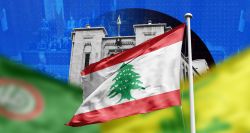
Who are the Shia Opposition Seeking to Break Hezbollah’s Stranglehold?
Claudia Groeling 16/01 19:29 - Reading : 9 minute(s)
Lebanon Shia Opposition Hezbollah Amal Disarmament Israel
Lebanon’s upcoming parliamentary elections, coming on the heels of the 2024 Hezbollah–Israel war that devastated the organization and its core constituencies, have reopened the question of Shia political representation. For decades, Lebanese political discourse has treated the Shia community as a unified political bloc, electorally ...
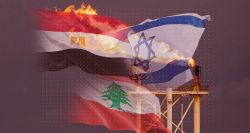
Egypt-Lebanon Gas Deal: Israeli Gas at the Heart of the Agreement
Claudia Groeling 09/01 12:50 - Reading : 83 minute(s)
Lebanon Benjamin Netanyahu Donald Trump Hezbollah Israel Syria Egypt
Two eastern Mediterranean natural gas deals announced twelve days apart highlight shifting energy dynamics amid dramatic geopolitical transformations in the region, with Lebanon aiming to benefit. On December 17, 2025, Israeli Prime Minister Benjamin Netanyahu announced a $35 billion gas deal with Egypt, describing the agreement as ...

After the Vote: Exposing the Gap Law’s Broken Promises
Claudia Groeling 2025-12-29 19:30 - Reading : 7 minute(s)
Nawaf Salam International Monetary Fund Lebanon Banque du Liban Gap Law Banks
Lebanon’s cabinet on December 19 approved one of the most controversial pieces of legislation since the country’s financial collapse in 2019, adopting the so-called “Gap Law” in a narrow vote that has reignited public anger and raised serious concerns among economists, legal experts, and international observers. Backed by 13 ministers ...