- 25
- Mar
- 2026
AnalysisLebanon Declares Iran's Ambassador Unwelcome, But Can It Make Him Leave?
Read : 4 minute(s) A A A

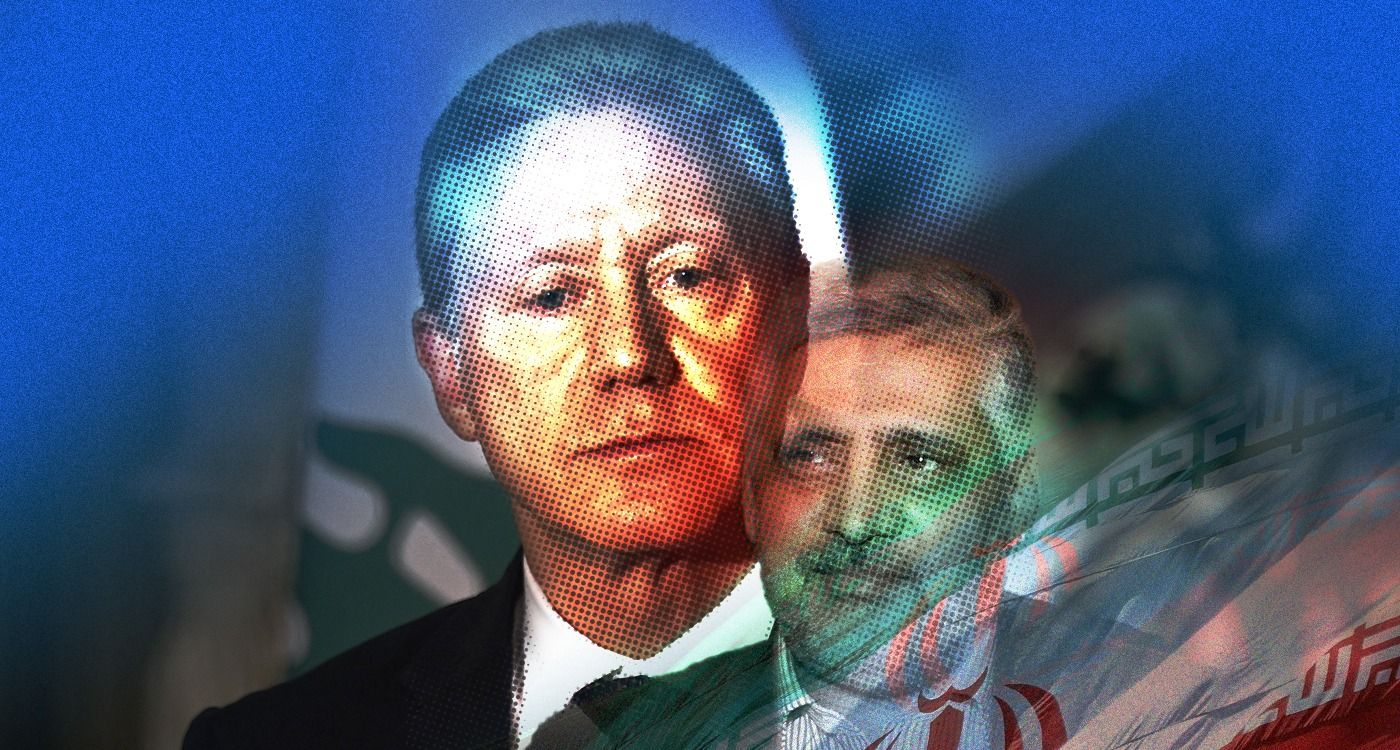
The Lebanese state has formally expelled Iran’s envoy to Beirut, its latest step to curb Tehran’s influence as the conflict between Israel and Iran-backed Hezbollah intensifies.
On March 24, Lebanese Foreign Minister Youssef Rajji said he had instructed his ministry to inform Iran’s chargé d’affaires in Lebanon, Toufiq Samadi Khoshkou, that Beirut had formally withdrawn its accreditation of Mohammad Reza Shibani as ambassador.
Rajji further declared Shibani persona non grata and requested that he leave Lebanese territory by March 29 at the latest. The question now is whether Tehran will accept the decision—denounced by Hezbollah as a “national and strategic sin”—and, if not, how Lebanon will enforce it.
The move comes after Lebanon’s cabinet on March 5 ordered the country’s security services to apprehend and deport operatives of Iran’s Islamic Revolutionary Guard Corps. While the expulsion of Iran’s ambassador might appear on the surface to be a technical diplomatic move, it is likely to carry broader political ramifications.
Understanding the Protocol
A former Lebanese ambassador told This is Beirut that the recent decision to declare Shibani a persona non grata, a diplomatic term for an individual no longer welcome in the country, follows well-established protocol.
The Lebanese president, not the foreign minister, holds the exclusive authority to declare any ambassador persona non grata, the source said. Following such a move, the envoy’s home country is expected to recall its ambassador.
If the ambassador remains beyond the deadline, his presence would be considered illegitimate, and Lebanese authorities could detain him if he leaves his embassy’s premises. Once notified, the ambassador is expected to pack and leave, as remaining would violate standard diplomatic norms, the source emphasized.
All Lebanese state officials will be obliged to boycott Shibani as well, the diplomatic source added. He will not be able to meet with ministers, engage with government agencies, or perform his official duties as an ambassador.
“This is primarily a political situation, which makes it more complicated than routine protocol,” the source added.
Exiting the Embassy
Lebanon’s judiciary is responsible for issuing an arrest order for Shibani if he refuses to leave the country, which General Security would be responsible for executing, a former officer in the security agency told This is Beirut.
The process requires coordination between the Ministry of Foreign Affairs, the Ministry of Justice, and the Ministry of Interior to ensure all legal and procedural requirements are followed, the source added.
In standard cases, if the expelled diplomat’s home country refuses to take them back, authorities may coordinate with the United Nations to transfer them to a third country.
However, the retired General Security officer noted that since Shibani’s case is unusual and politically charged, it is unclear what will happen if Iran refuses to recall him. There is no precedent for General Security to detain and forcibly deport a diplomat in a political standoff, he said.
Political Repercussions
Mustafa Fahs, a journalist and political analyst, told This is Beirut that the diplomatic drama is a result of building tensions. “Even before this matter, Iran did not listen to the Lebanese state,” he said.
Lebanon’s Foreign Ministry has been seeking detailed information from the Iranian embassy about its diplomats, their activities in the country and their political statements, but its requests have reportedly been rebuffed by Tehran, according to media reports. “This lack of cooperation prompted the need for action,” Fahs said.
Lebanon’s move could carry significant repercussions on domestic politics amid rising tensions brought on by Hezbollah’s war with Israel and mass displacement. “The concern is that any escalation could have domestic ripple effects, impacting both the street and the cabinet, particularly the stance of Shia ministers and their constituency,” he added.
For Fahs, the move risks being framed not as a diplomatic dispute with the Iranian embassy, but as an added form of pressure targeting the Shia community.
“In my view, the issue of the Iranian envoy is likely to evolve into a domestic political crisis in Lebanon, extending beyond diplomacy into both governmental and international dimensions,” he said.
“The state now faces a dilemma: enforce the decision and risk political fallout, or refrain and risk undermining its credibility.”



Comments