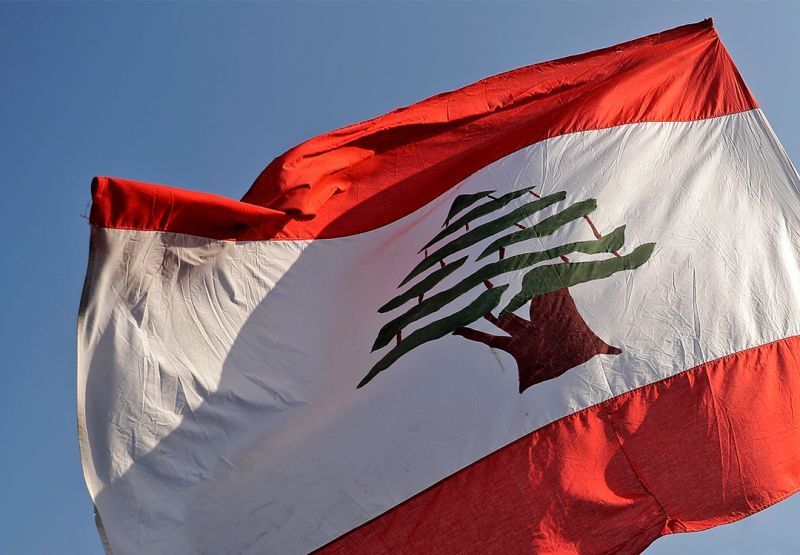
Multiple Lebanese parliament members joined political activists and civil society representatives Wednesday at a conference titled “For the Lebanese State to Negotiate for a Just and Lasting Peace,” which brought together advocates of Lebanese sovereignty and exclusive state authority over war and diplomacy amid renewed debate over the role of non-state armed actors.
Former Lebanese Justice Minister and Sunni MP Ashraf Rifi stated that the conference was advocating “a just peace that preserves Lebanon’s freedom, sovereignty, security, and stability.” Rifi emphasized that negotiations are “an exclusive right of the state,” rejecting what he described as the logic whereby “those who fight are those who negotiate.”
Shiite political activist Ali Khalife also addressed the gathering, presenting what he described as a Shiite perspective in favor of peace between Lebanon and Israel, rooted in “sovereignty, rationalism, and the common benefits of peace rather than endless war and Iranian hegemony through Hezbollah.”
MP Camille Chamoun, a member of the Lebanese Forces bloc,
Multiple Lebanese parliament members joined political activists and civil society representatives Wednesday at a conference titled “For the Lebanese State to Negotiate for a Just and Lasting Peace,” which brought together advocates of Lebanese sovereignty and exclusive state authority over war and diplomacy amid renewed debate over the role of non-state armed actors.
Former Lebanese Justice Minister and Sunni MP Ashraf Rifi stated that the conference was advocating “a just peace that preserves Lebanon’s freedom, sovereignty, security, and stability.” Rifi emphasized that negotiations are “an exclusive right of the state,” rejecting what he described as the logic whereby “those who fight are those who negotiate.”
Shiite political activist Ali Khalife also addressed the gathering, presenting what he described as a Shiite perspective in favor of peace between Lebanon and Israel, rooted in “sovereignty, rationalism, and the common benefits of peace rather than endless war and Iranian hegemony through Hezbollah.”
MP Camille Chamoun a part of the Lebanese Forces Bloc said Lebanon was facing “an opportunity for peace,” arguing that regional wars and external conflicts had long obstructed the country’s development and contributed to political paralysis.
Chamoun added that the issue was “not with the Shiite community, which has always supported Lebanon,” but rather with “those who transformed themselves into mercenaries loyal to Iran” in reference to Iranian influence through Hezbollah.
He further called for “one state, not mini-states,” insisting that only the Lebanese presidency, government, and legitimate institutions have the authority to negotiate on behalf of Lebanon.
Lebanese Forces MP Nazih Matta said the Lebanese state had “recovered its decision-making power and right to negotiate,” adding that no party has the right to monopolize national decision-making. Matta argued that Lebanon should have entered a true state-building phase following the Taif Agreement, but instead “returned to the tunnel,” forcing Lebanese citizens to bear the consequences of prolonged instability.
Organizers said the Lebanese people, “exhausted by wars,” have the right to demand that the state secure “a just and lasting peace” allowing citizens to live in security and stability while preserving Lebanon’s internationally recognized borders, sovereignty, and natural resources.
The conference statement called for a form of “positive neutrality” that would restore Lebanon’s position in the international community. Speakers repeatedly stressed the need to end armed conflicts and ensure that negotiations remain solely in the hands of the Lebanese state.
The conference comes amid growing internal debate in Lebanon over sovereignty, security policy, and the future relationship between the Lebanese state and armed factions operating outside state control.
said Lebanon was facing “an opportunity for peace,” arguing that regional wars and external conflicts had long obstructed the country’s development and contributed to political paralysis.
Chamoun added that the issue was “not with the Shiite community, which has always supported Lebanon,” but rather with “those who transformed themselves into mercenaries loyal to Iran” in reference to Iranian influence through Hezbollah.
He further called for “one state, not mini-states,” insisting that only the Lebanese presidency, government, and legitimate institutions have the authority to negotiate on behalf of Lebanon.
Lebanese Forces MP Naziih Matta said the Lebanese state had “recovered its decision-making power and right to negotiate,” adding that no party has the right to monopolize national decision-making. Matta argued that Lebanon should have entered a true state-building phase following the Taif Agreement, but instead “returned to the tunnel,” forcing Lebanese citizens to bear the consequences of prolonged instability.
Organizers said the Lebanese people, “exhausted by wars,” have the right to demand that the state secure “a just and lasting peace” allowing citizens to live in security and stability while preserving Lebanon’s internationally recognized borders, sovereignty, and natural resources.
The conference statement called for a form of “positive neutrality” that would restore Lebanon’s position in the international community. Speakers repeatedly stressed the need to end armed conflicts and ensure that negotiations remain solely in the hands of the Lebanese state.
The conference comes amid growing internal debate in Lebanon over sovereignty, security policy, and the future relationship between the Lebanese state and armed factions operating outside state control.

Comments