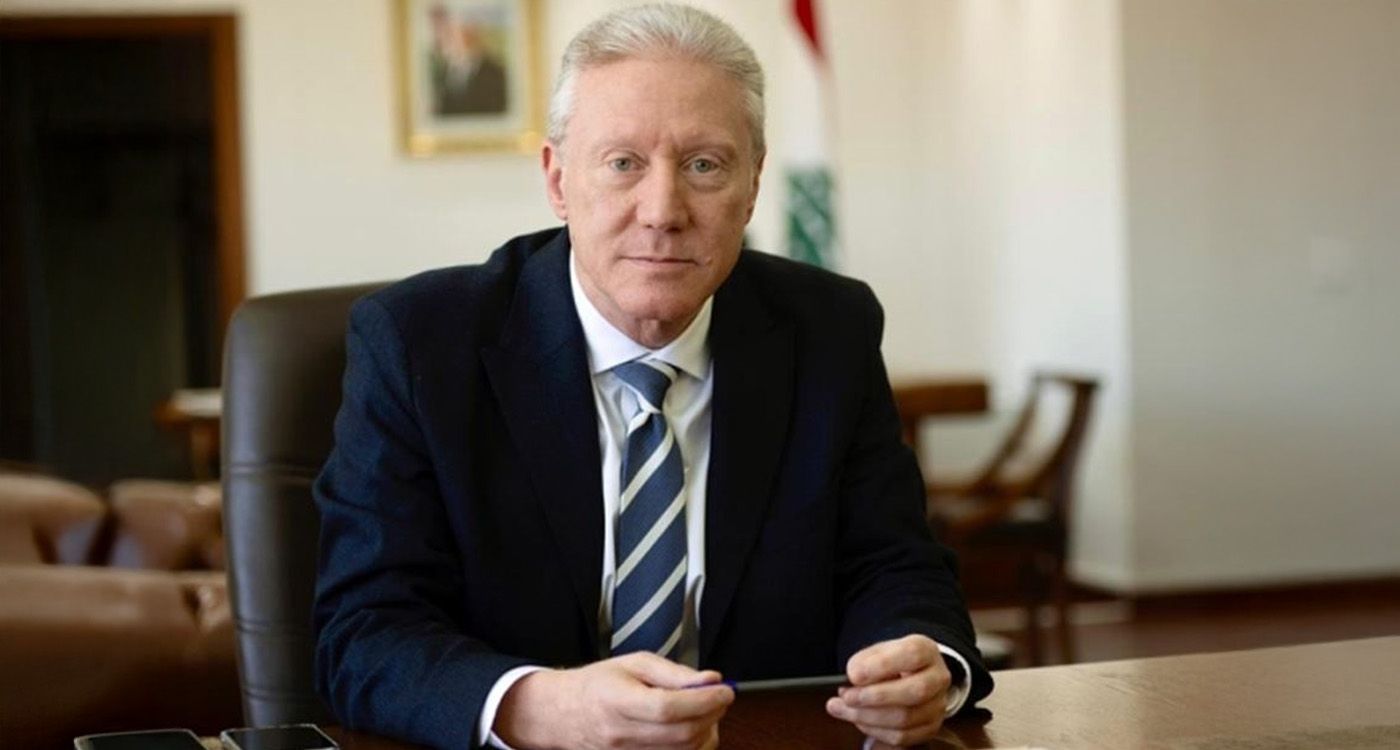
Lebanese Foreign Minister Youssef Rajji said Wednesday that Lebanon had taken what he described as a “courageous decision” to enter direct negotiations with Israel in pursuit of a permanent ceasefire, full Israeli withdrawal from Lebanese territory, and the establishment of a state “free from occupation and illegal weapons.”
The remarks, delivered during the second ministerial conference on peacekeeping in the Francophone world in Rabat, Morocco, marked one of the clearest public statements by a senior Lebanese official linking ongoing negotiations with Israel to the broader question of restoring the Lebanese state’s exclusive authority over arms, an issue that directly concerns Hezbollah’s arsenal.
“Lebanon, under the leadership of the President of the Republic and the Prime Minister, has taken the courageous decision to engage in direct negotiations with Israel,” Rajji said.
He added that the objective was to achieve “a full and permanent ceasefire" and ensure “the full sovereignty of the state over all its land.”
Rajji further stated that Lebanon was moving toward “the establishment of a state free from any foreign occupation and liberated from any illegal armed organization.”
Direct Talks Amid Ongoing War
The statement comes as Lebanese-Israeli negotiations continue under American mediation following months of war between Israel and Hezbollah, which erupted after the Iran-backed group opened the southern Lebanese front early in March in revenge for the killing of former Iranian Supreme Leader Ayatollah Ali Khamenei.
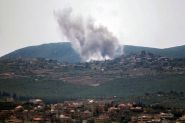
Despite repeated ceasefire announcements and ongoing diplomatic contacts, clashes and Israeli strikes have continued across southern Lebanon and parts of the Bekaa Valley, while Hezbollah has maintained attacks against Israeli positions and repeatedly rejected disarmament demands from the Lebanese government.
Lebanese authorities have increasingly framed the negotiations as part of a broader effort to restore state sovereignty and implement long-standing calls for exclusive state control over weapons.
Rajji Calls for “Realistic” Peacekeeping Mandates
Speaking at the ministerial peacekeeping conference, Rajji also warned that United Nations peacekeeping operations were facing growing international challenges.
He pointed to what he described as the near paralysis of the UN Security Council, financing difficulties, hybrid warfare, and increasing distrust among host countries toward what he called inconsistent international standards.
Rajji paid tribute to UN peacekeepers operating in southern Lebanon, particularly those killed during their missions.
He outlined three priorities for future peacekeeping efforts: strengthening regional peacekeeping capacities, adopting “realistic mandates” based on operational realities rather than political ambitions, and investing more heavily in conflict prevention.
“Peace is not a natural state,” Rajji said at the conclusion of his speech. “It is built, defended, and reinvented.”
Outreach to Lebanese Diaspora
During his visit to Morocco, Rajji also met members of the Lebanese diaspora at the residence of Lebanon’s ambassador in Rabat.
According to the Foreign Ministry, Rajji briefed attendees on ongoing government efforts to stop the war, secure Israeli withdrawal from Lebanese territory, and facilitate the return of displaced residents to their towns and villages.


Comments