- 24
- Mar
- 2026

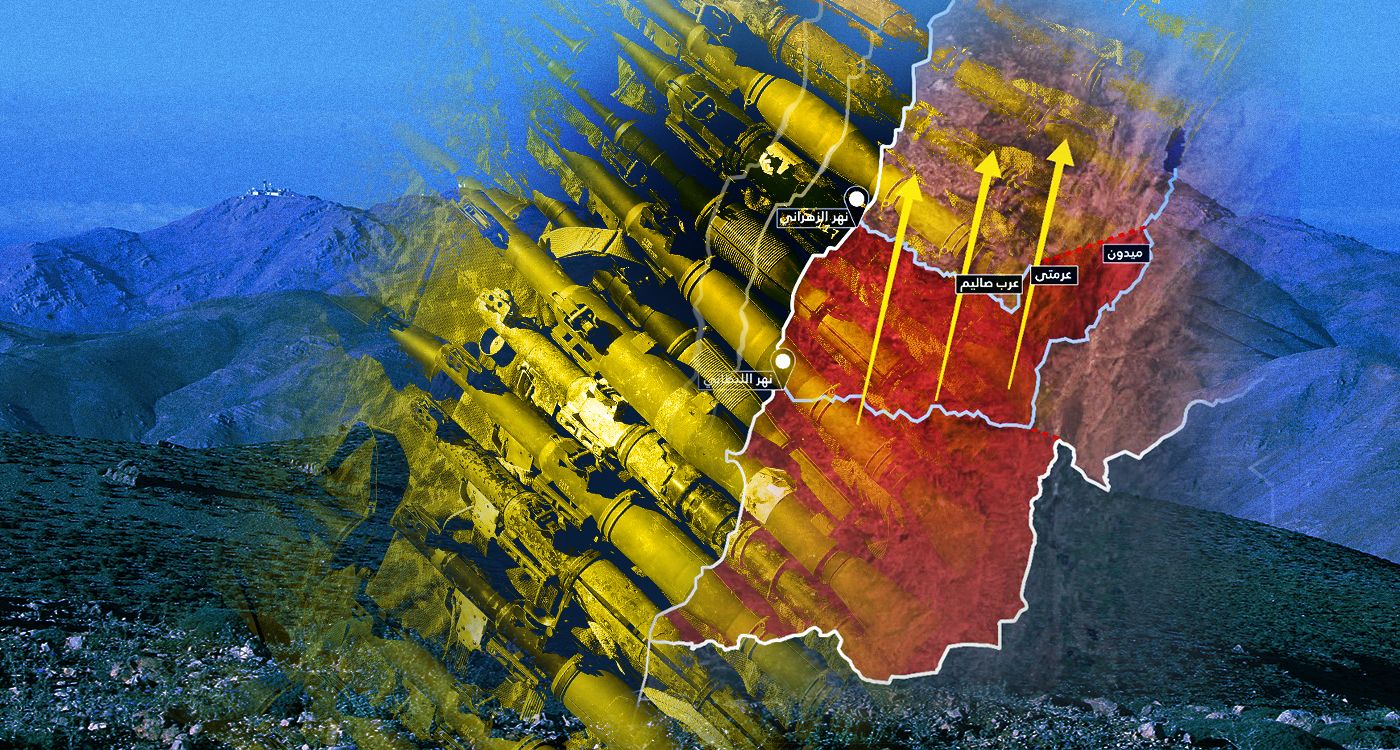
Lebanon has made its choice. Instead of enforcing UN Security Council Resolution 1701 and its own cabinet’s decision to disarm Hezbollah, Beirut will allow the pro-Iran militia to keep its weapons but it will lose its territory south of the Litani River.
While Lebanon will argue that Israel’s occupation would violate international law, this time the law is on Jerusalem's side. Until Lebanon enforces Resolution 1701 and asserts state authority over militias, Israel’s presence will be justified. Meanwhile, any Lebanese "resistance" will be in violation of UN resolutions and international law.
Simple and naïve Lebanese see this scenario as confirmation of their unfounded conspiracy that Israel is pursuing a “Nile to Euphrates” scheme. In reality, southern Lebanon will likely become a depopulated military zone under Israeli control. Jerusalem will give Beirut a clear choice: If you want your land back, you must first disarm Hezbollah.
After the 2024 war, Israel put this plan on hold to give Lebanon a chance to disarm the Iranian proxy. The Lebanese government issued decrees calling for Hezbollah’s disarmament and even claimed that the area south of the Litani River had been cleared of the group’s fighters and weapons.
Then, on March 2, 2026, Hezbollah opened a front from southern Lebanon in support of Tehran, exposing just how hollow Lebanon’s disarmament claims had been over the previous fifteen months.
Israel has now shifted to Plan B: dealing with Hezbollah on its own. The Jewish state understands that it cannot make the pro‑Iran militia in Lebanon simply vanish, just as the Gaza War did not end with Hamas’s disappearance. To uproot these terrorist groups, the local population must turn against them, just as the Germans turned against Nazism after World War II.
Jerusalem’s plan, therefore, is to suppress Hezbollah to the point that, even if it continues to tyrannize Lebanon, it would no longer pose a serious threat to Israel. This means that, as it did with Hamas in Gaza, Israel will need to establish a buffer zone between its northern towns and Hezbollah-controlled areas.
Israel will therefore depopulate and control Lebanese territory stretching from its northern border to the Litani River, roughly 30 km from the frontier at its farthest extent. If Lebanon ever disarms Hezbollah, it will get the land back. If it does not, the status quo will persist.
Lebanon and Hezbollah believe Israel’s plan works in their favor, imagining a repeat of the Jewish state’s last occupation of southern Lebanon. However, Israel withdrew unilaterally in 2000, while the UN confirmed that Jerusalem had fully complied with Security Council Resolution 425.
When Israel withdrew, it accepted Lebanon’s argument that ending the occupation would end Hezbollah’s “resistance.” That, however, never happened. On the contrary, Hezbollah’s raison d’être shifted from “the defense of Lebanon” to the “unity of battlefields” with Iran and its proxies, with the ultimate goal of annihilating Israel. Hezbollah has abandoned any pretense of being a “Lebanese resistance” movement. Since March 2, all its war updates have described it as the “Islamic resistance.”
Lebanese leaders have continued to think like pundits rather than act like responsible rulers. Their cabinet votes remain mere ink on paper. They quickly abandoned their short-lived orders for the Lebanese Armed Forces (LAF) to confront Hezbollah and reverted to their usual stance of “avoiding civil war,” code for refusing to disarm the militia.
Israel, therefore, will do what it must. The Jewish state is currently in the process of slowly clearing the area south of the Litani River of Hezbollah fighters and Lebanese civilians. The LAF has already withdrawn, while UNIFIL is set to see its mandate end by the end of the year.
With the south emptied, Israel will turn it into a sterile buffer zone, an arrangement drastically different from the Israeli occupation that ended in 2000. There will be no Lebanese population for the Israeli military to govern, no friction with civilians, and no space for “resistance” forces to ambush Israeli troops.
The new de facto border between Lebanon and Israel will be the Litani River. Along its southern bank, Israel will build a security fence backed by a military buffer zone extending to the international border. North of the river, Hezbollah will continue to dominate Lebanon.
Israel will likely continue policing Hezbollah with targeted airstrikes, as it did after the last war ended in November 2024. Hezbollah might still fire missiles, but its ability to strike Israel will be drastically reduced, making Israeli civilians far safer.
Tragically, instead of surrendering Hezbollah’s weapons, Lebanon will lose the very territory that Hezbollah claimed its arms were meant to defend.



Comments