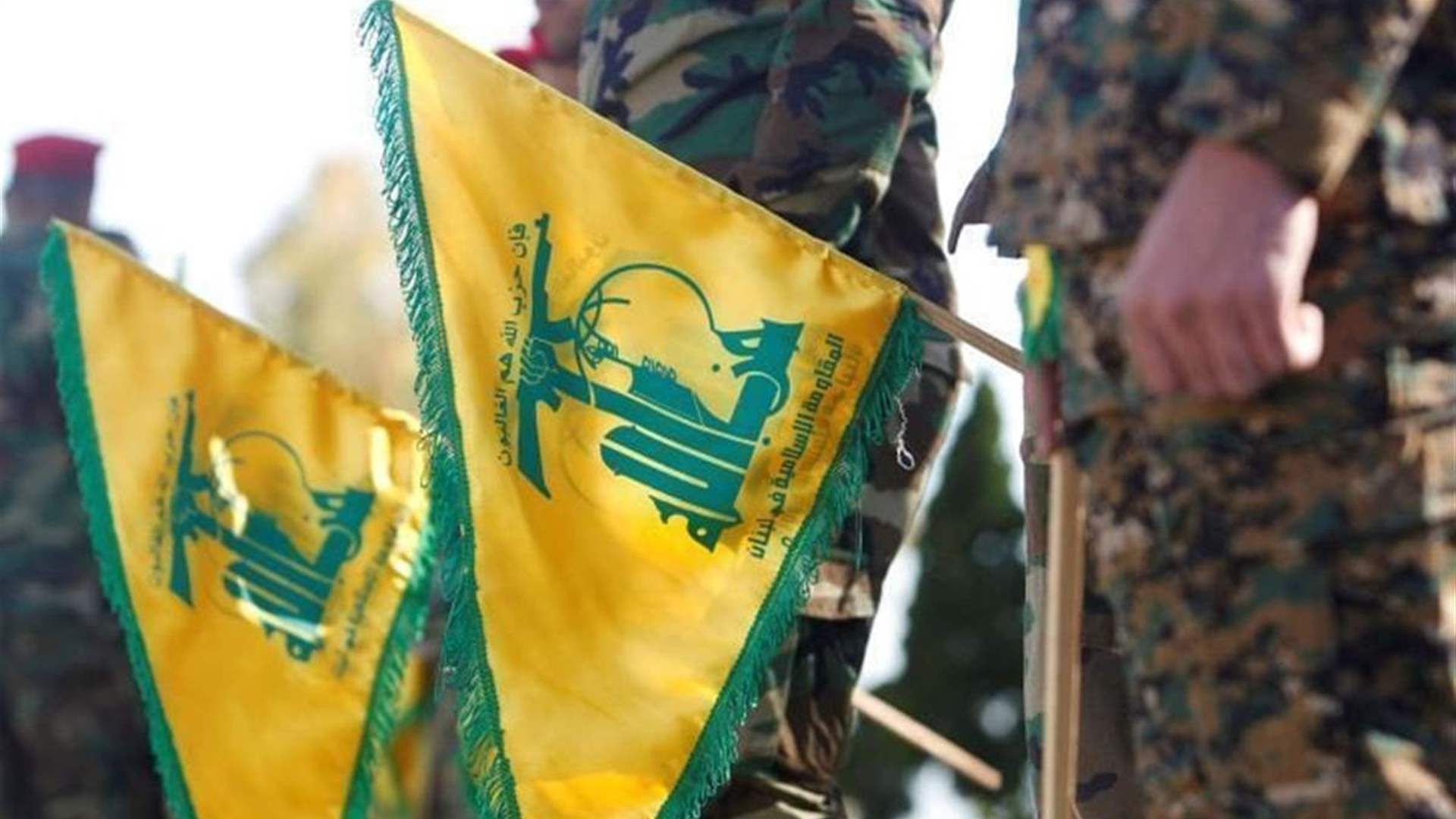
Attempts to smuggle weapons from Syria to Hezbollah in Lebanon have continued unabated since the group joined the war on March 2, despite repeated interdictions, according to a report by Alma Research Center.
Recent incidents underscore the ongoing trend. On March 14, Syrian authorities seized five Konkurs anti-tank missiles reportedly destined for Hezbollah. Days later, on March 20, Syria’s Ministry of Defense announced that border guards in the Jroud Flita area had foiled another smuggling attempt along the Syria–Lebanon border, intercepting small arms, RPGs, and explosives. Four suspects were arrested in the operation, including two Lebanese nationals.
Officials and analysts say these incidents are not isolated, but rather indicative of a sustained pattern of trafficking across the porous Syria-Lebanon frontier. The border’s rugged mountainous terrain, coupled with entrenched local smuggling networks and numerous informal crossings, continues to facilitate the movement of weapons.
While individual seizures point to tactical successes, they have not significantly disrupted the broader smuggling infrastructure, which remains resilient.
The continued flow of arms is widely seen as part of a broader effort by the Iran-led “Axis of Resistance” to sustain Hezbollah’s military capabilities under ongoing military pressure. Intercepted shipments, including advanced systems such as anti-tank guided missiles, suggest attempts not only to maintain existing stockpiles but also to replenish more sophisticated capabilities that may have been degraded in recent fighting.
Smuggling Networks Before and After the Fall of Bashar al-Assad
Prior to the fall of Bashar al-Assad in 2024, weapons transfers from Syria to Hezbollah were deeply embedded within state-aligned military and security structures. The Syrian regime, in coordination with Iran’s Islamic Revolutionary Guard Corps, facilitated the movement of advanced weapons systems across Syrian territory into Lebanon.
Key transit routes included the Damascus-Qalamoun corridor and border regions such as al-Qusayr and the Qalamoun mountains, where Hezbollah maintained a significant operational presence. Smuggling during this period often benefited from official protection, established logistics infrastructure, and the use of military bases and controlled crossings.
Following Assad’s fall, these networks became more fragmented and decentralized. The weakening of centralized state control over large parts of Syria disrupted formal supply chains but did not eliminate them. Instead, smuggling increasingly relied on local militias and informal networks operating across poorly monitored borders.
While this shift has reduced the efficiency and scale of some transfers, it has also made interdiction more difficult. The proliferation of actors and routes has allowed continued flows of weapons, in smaller, more frequent shipments, helping Hezbollah adapt its logistics under sustained military pressure.



Comments