
The Israeli army on Wednesday accused Hezbollah of violating the Lebanon-Israel ceasefire more than 1,900 times since it took effect late last year.
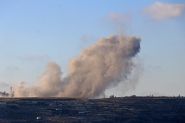
The Israeli military said it conducted targeted operations in around 30 locations across southern Lebanon since early October, resulting in the killing of approximately 40 fighters. The Northern Command led the operations, with the support of intelligence units and the air force.
According to the Israeli army, the strikes form part of a broader effort to prevent Hezbollah from rebuilding its military capabilities along the Israeli-Lebanese border, despite the ceasefire that took effect on November 27, 2024. The military claimed that more than 380 Hezbollah fighters have been killed since the agreement came into force.
The army said those targeted were involved in what it described as “terrorist activities” in southern Lebanon, including rebuilding military infrastructure, smuggling weapons, and coordinating between civilians and Hezbollah command structures. It described these actions as a “clear violation” of the understandings governing the ceasefire.
As part of its announcement, the Israeli military released a map showing the locations of targeted strikes carried out in 30 villages in southern Lebanon, highlighting the geographic spread of the operations since early October. It said the strikes were intended to neutralize what it called “emerging threats” near Israel’s northern border.
Separately, Israeli Chief of Staff Lieutenant General Eyal Zamir visited northern Israel, where he told soldiers that Israel would not allow hostile groups to reestablish themselves near its borders. “We will respond to every violation of the agreement and act preemptively to neutralize any threat,” he said.
The Israeli army also said it carried out three separate strikes on Sunday against Hezbollah members in southern Lebanon, killing at least two persons. Among those killed was Zakaria Yahya al-Hajj, whom the Israeli army described as a Hezbollah operative active in the Jouayya area. The military alleged that he was involved in activating networks within Lebanese security institutions and suppressing internal dissent within the group.
The statement concluded that the Israeli army would continue to act against any threat it deems a risk to Israel’s security.

Comments