- 03
- Dec.
- 2025

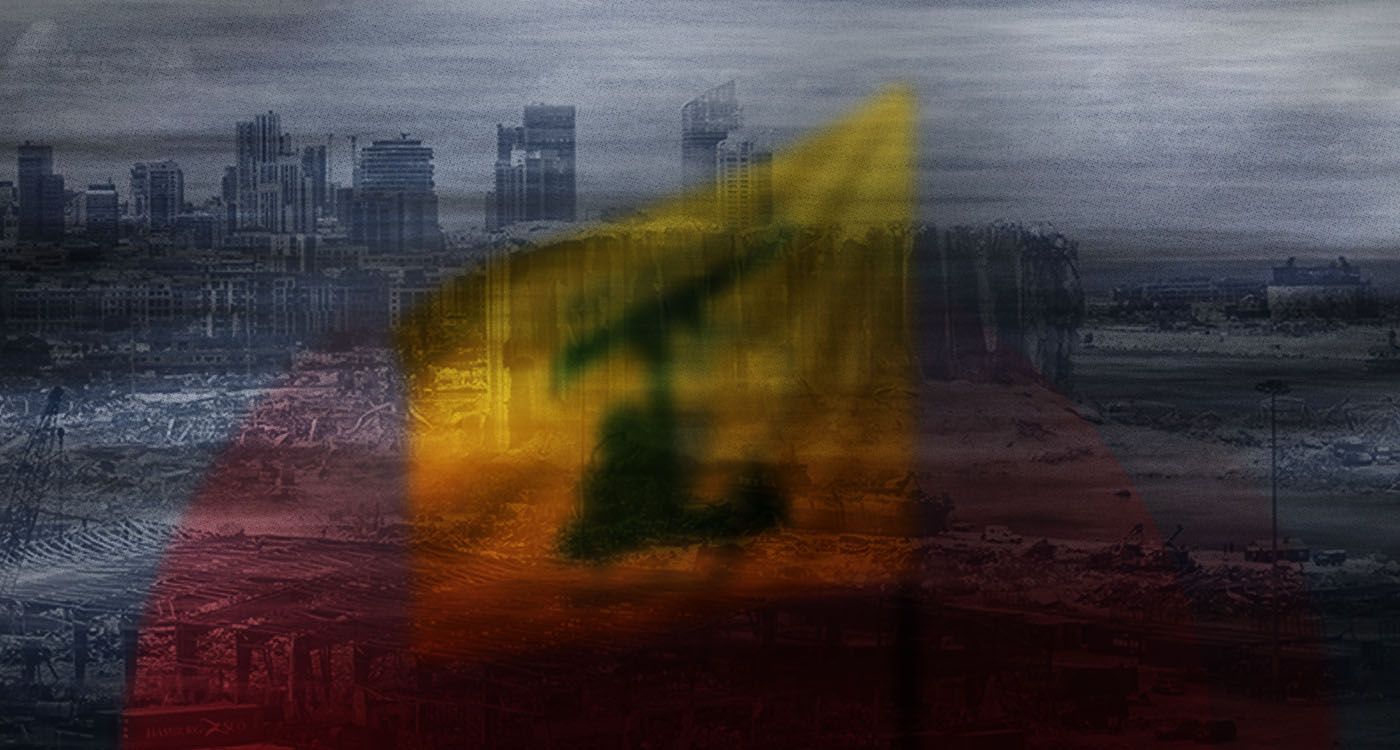
With Lebanon’s investigation into the 2020 Beirut port explosion obstructed and international pressure for its progress fading, the truth remains elusive.
New and highly sensitive allegations emerged on Tuesday after the Israeli army accused a specialized Hezbollah cell—Unit 121—of assassinating four Lebanese figures who allegedly held information implicating the Shiite militia in the August 2020 Beirut port explosion.
The claims, made by the army’s Arabic-language spokesperson Avichay Adraee on X, have reignited questions about a string of unsolved killings and the broader obstruction of the port blast investigation.
Four Killings, One Pattern
According to the Israeli military, Hezbollah’s Unit 121 targeted individuals—officials, journalists, and critics—who could have revealed that the 2,750 tons of ammonium nitrate stored at the port were being kept there on behalf of or under the protection of the militant group.
Among those killed:
- Joseph Skaff, former head of Beirut’s port customs, who repeatedly requested the removal of the ammonium nitrate and died under disputed circumstances in 2017.
- Mounir Abou Rjeily, former head of the Customs Anti-Smuggling Division, who was stabbed to death in December 2020 in a targeted and unexplained attack.
- Joe Bejjani, a photographer assisting Lebanese army investigators with blast documentation, who was shot dead in his car later that month in a professional-style hit captured on CCTV.
- Lokman Slim, an intellectual, publisher, and outspoken critic of Hezbollah who was murdered in February 2021 in south Lebanon after publicly accusing the militia and the Syrian regime of responsibility for the explosion.
Rasha al-Ameer—sister of Lokman Slim and co-founder of Dar al-Jadeed publishing house—said that Slim had already named the forces he believed would ultimately kill him.
“Lokman wrote a public letter, which you can easily find, the day the mob hung curses on the walls of our residence. He explicitly said the names of the head killers,” Ameer told This is Beirut.
On December 13, 2019, Slim issued a statement declaring that he would hold Hezbollah and the Amal Movement responsible if he or his family were harmed. Slim’s letter followed the posting of threatening flyers on his home in Beirut’s southern suburbs.
Ameer added that Dar al-Jadeed published Slim’s interview on Al-Hadath, where he spoke clearly about those who bought and used the ammonium nitrate at the Beirut port. “Let the judges in this country work. We need the indictment of Judge Bitar. The indictment of Roula Sfeir and many other indictments. We live in a high-tech world; killing small killers who will lead to the bosses should be an easy task,” she said.
Her remarks underscore a belief widely shared by Slim’s family and supporters: that his assassination was political, calculated, and connected to the port blast file—and that Lebanon’s judicial paralysis is shielding those truly responsible.
Hezbollah’s “Unit 121”: The Silent Security Arm
The Israeli army’s accusations focus on Unit 121, a clandestine branch within Hezbollah believed to operate directly under the authority of the militia’s top leadership.
Regional intelligence assessments say the unit specializes in the following:
- internal surveillance;
- intimidation of critics;
- sensitive or deniable operations;
- and high-profile targeted killings.
Its activities largely occur in areas where Hezbollah maintains de facto security control, limiting the ability of the Lebanese state to investigate or prosecute.
A History of Political Killings and Silenced Investigations
Lebanon’s modern political history is marked by assassinations—journalists, ministers, military officers, security experts, and critics targeted across decades.
In many cases, including Slim’s, the killings occurred in areas where Hezbollah exerts heavy influence. Investigations often stall due to political pressure, fear, or lack of access to evidence.
This pattern has intensified since the Beirut port explosion:
- Judges working on the blast case have faced suspension, legal harassment, and political obstruction.
- Families of victims accuse Hezbollah and its allies of blocking every attempt to question senior officials or security figures.
- Critical witnesses and investigators have been intimidated or sidelined.
The Israeli army’s allegations have resurfaced a suspicious timeline of killings that many in Lebanon find difficult to dismiss.
The Nitrate Question
Hezbollah has repeatedly denied any involvement in storing or using the ammonium nitrate that exploded at the Beirut port on August 4, 2020.
However, several unresolved issues persist:
- The material remained at the port for seven years with no decisive action from any security agency, including those with strong ties to Hezbollah.
- Multiple officials, including Skaff and Abou Rjeily, attempted to raise the alarm over the nitrate, only to be subsequently killed.
- Lokman Slim, in his final interviews, referred openly to “those who brought and used the nitrate,” directly implicating Hezbollah and the Syrian regime.
With Lebanon’s investigation into the explosion obstructed and international pressure for its progress fading, the truth remains elusive.
A Case Frozen—and a Country in the Dark
More than four years after the explosion that killed over 220 people and devastated half of Beirut, Lebanon still has no accountability, no indictment, and no functioning investigation.
Adraee’s statement may be part of Israel’s information warfare, but it taps into a deeper Lebanese reality:
- Four killings linked to the port file remain unsolved.
- Potential witnesses were silenced.
- The judicial process has been sabotaged.
- And the Lebanese state appears unwilling—or unable—to confront those involved.
Comments