- 09:10

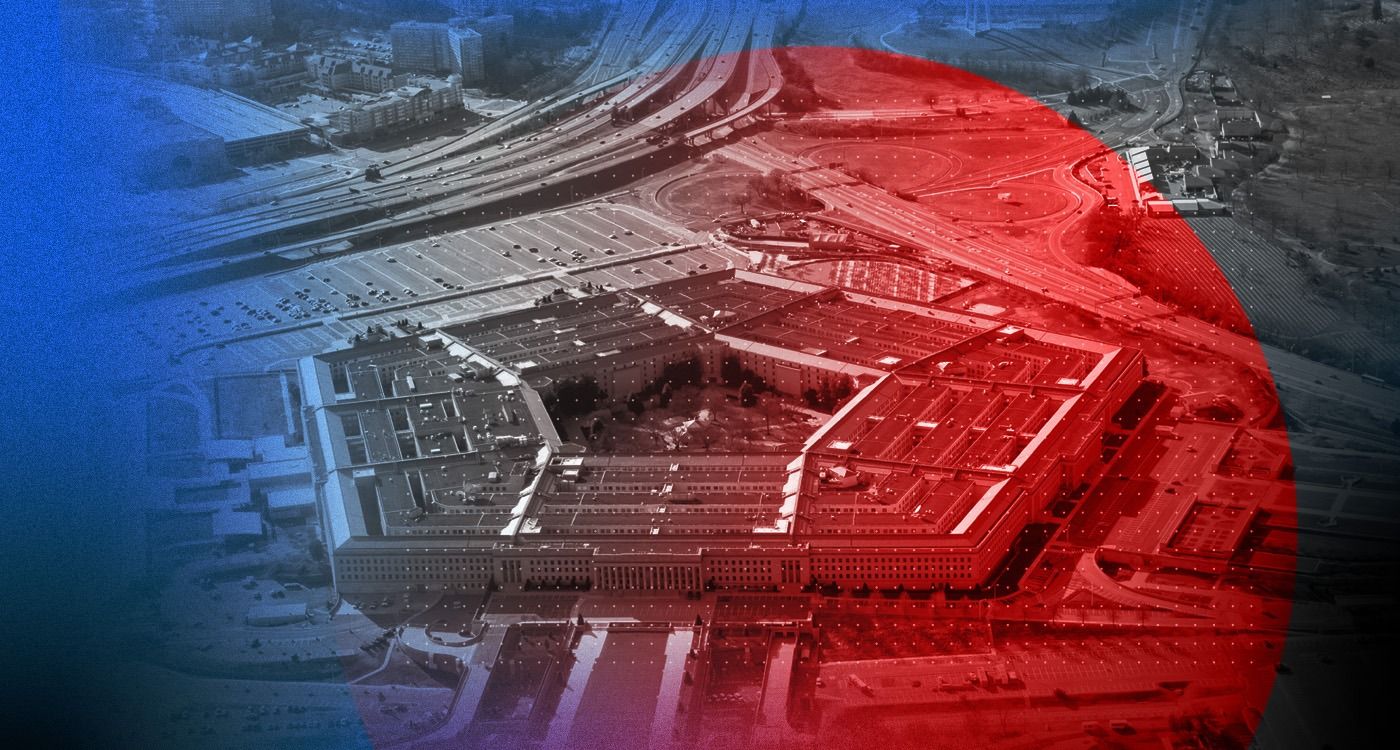
As Israeli strikes intensified across southern Lebanon ahead of Friday’s U.S.-mediated security talks between Lebanon and Israel at the Pentagon, expectations remained low that the Lebanese delegation could offer convincing guarantees on Hezbollah’s disarmament.
Lebanon’s delegation arrived in Washington with a presentation detailing the Lebanese Armed Forces’ (LAF) past efforts to confiscate Hezbollah’s weapons south of the Litani River, according to retired LAF Gen. Khaled Hamade. However, he described the army’s achievements since the Nov. 27, 2024, ceasefire as modest.
“At the Pentagon, they will face difficult questions because they have not done anything substantial,” he told This is Beirut.
Hamade said Lebanon’s military is neither prepared nor politically willing to confront Hezbollah militarily, leaving the delegation with little leverage in the talks, where it is expected to push for a comprehensive ceasefire and a full Israeli military withdrawal.
On March 2, 2026, after Hezbollah opened a front against Israel in response tothe joint U.S.-Israeli military campaign in Iran, Lebanon’s government banned the group’s military activities and called on the LAF to disarm it. Lebanon’s army, however, has since balked at confronting the group, citing the need to preserve civil peace.
“The Israelis will ask one central question: what is your role in disarming Hezbollah?” Hamade said. “If the Lebanese delegation has no answer, then there is nothing to negotiate about.”
A U.S.-brokered ceasefire between Israel and the Lebanese government took effect on April 17 and has since been extended twice, even as fighting between the Israeli military and Hezbollah has continued to escalate. Earlier this month, Washington announced that Lebanon and Israel had committed to security and political talks aimed at achieving “lasting peace between both countries.”
Washington is not expecting an immediate breakthrough but hopes to preserve the military channel ahead of broader political negotiations next week — talks that could eventually open the door to addressing Hezbollah's weapons.
“Israel’s main demand is Hezbollah’s disarmament, and nothing significant will happen regarding a ceasefire or Israeli withdrawal before movement on that file,” security analyst Riad Kahwaji told This is Beirut.
However, he said the Pentagon talks between the Lebanese and Israeli military delegations could still make progress on technical matters, even as Hezbollah’s arsenal remains the central obstacle.
“The Lebanese side can discuss the ceasefire, an Israeli withdrawal, and the 13 disputed border points,” Kahwaji said. “But Hezbollah’s weapons are not formally part of Lebanon’s negotiating demands.”
Kahwaji explained the Pentagon talks are expected to discuss a phased arrangement linking a gradual Israeli withdrawal to a timetable for Hezbollah’s disarmament. However, he noted that Hezbollah has repeatedly rejected calls to disarm.
“Unless there is a clear Lebanese government decision backed by the army to impose disarmament by force, we remain stuck in the same cycle,” he said.
Kahwaji said Lebanon may instead seek expanded U.S. military and logistical support to strengthen the LAF’s ability to eventually enforce state authority. He added that such talks would take place with U.S. officials rather than the Israeli delegation itself.
Hamade argued that Israel and the U.S. appear determined to sever Lebanon from Iran’s regional axis “through force,” warning that Israeli military pressure is likely to continue regardless of the talks.
“The Lebanese state is completely neutralized,” Hamade said. As for Hezbollah, Iran's proxy, Hamade likened it to “a crashed car whose radio is still running.”


Comments