- Home
- Middle East
- Iran Strikes UAE in First Breach of Ceasefire
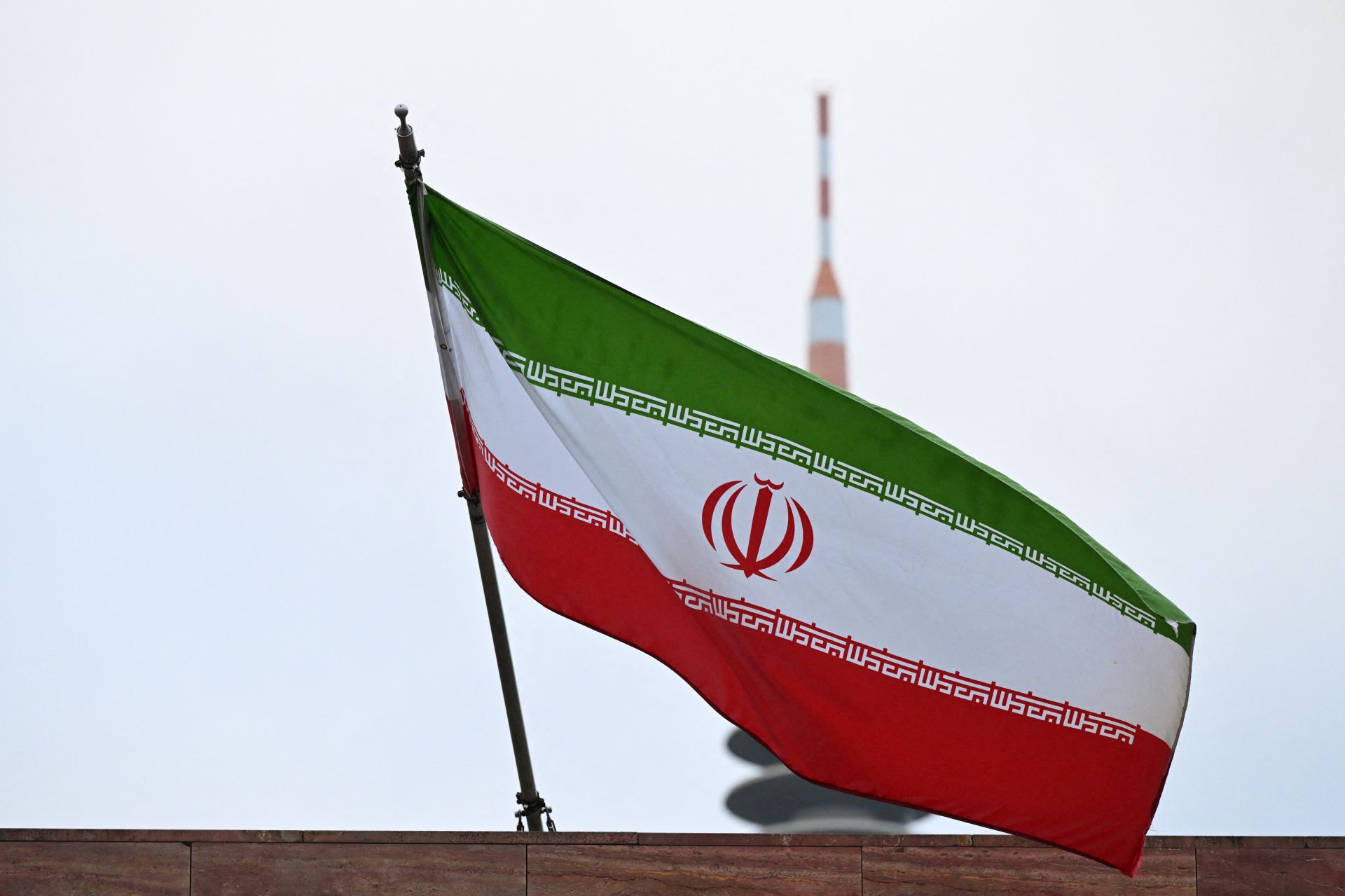
Le drapeau national iranien flotte au-dessus du consulat général de la République islamique d’Iran à Francfort, dans l’ouest de l’Allemagne, le 31 octobre 2024. ©Kirill Kudryavtsev / AFP
The United Arab Emirates confirmed on Monday that its air defense systems intercepted missiles and drones launched from Iran, marking the first direct attack on the country since the ceasefire took effect on April 8, according to official Emirati statements.
The UAE Ministry of Defense announced that four cruise missiles were detected heading toward the country, stating that three were successfully intercepted over territorial waters, while a fourth fell into the sea. Authorities said the loud sounds reported across several areas were the result of these interception operations.
In a parallel statement, the UAE’s emergency authority urged residents to remain in safe locations and follow official instructions, confirming that air defense systems were actively responding to “missile and UAV threats.”
UAE condemns ‘Iranian aggression’ and signals right to respond
In a strongly worded statement, the UAE Ministry of Foreign Affairs condemned the attack as “a treacherous Iranian aggression using missiles and drones targeting civilian sites and facilities.”
The ministry described the strikes as “a dangerous escalation and a direct threat to the country’s security and stability,” warning that they violate international law and the UN Charter.
Crucially, it stressed that the UAE reserves the full right to respond, stating that it “will not hesitate to take all necessary measures to protect its sovereignty, security, and the safety of its territory and residents.”
The statement also held Iran fully responsible for the attacks and their repercussions, underscoring Abu Dhabi’s readiness to act in defense of its national security.
Strike hits energy infrastructure in Fujairah
Alongside the missile interceptions, officials in the emirate of Fujairah reported that a drone strike caused a fire at a key energy installation in the Fujairah Oil Industry Zone (FOIZ).
Civil defense teams were deployed immediately to contain the blaze, while the Fujairah media office confirmed that three individuals were injured in the attack.
The site is strategically significant, serving as a major energy hub that allows exports to bypass the Strait of Hormuz, making it a sensitive target in the broader regional conflict.
Earlier targeting and maritime tensions
The escalation follows earlier reports on Monday that Iran had also targeted an oil tanker linked to Abu Dhabi National Oil Company (ADNOC) using drones while it was transiting the Strait of Hormuz.
Despite the series of attacks, Iranian state media quoted a senior military official denying that Tehran had plans to target the UAE, creating a contradiction between official Emirati reports and Iranian messaging.
A widening regional confrontation
The incident represents a clear escalation and a breach of the ceasefire framework that had largely held since early April. Authorities also confirmed that this was the first nationwide emergency alert issued since the ceasefire began, highlighting the seriousness of the incident.
Since the start of the war on February 28, Iran has launched thousands of missiles and drones toward Gulf states, with the UAE being the most targeted in the Gulf.
Authorities later issued a follow-up alert indicating that the situation had been brought under control, though they urged the public to avoid the circulation of rumors and rely solely on official sources.
However, the renewed targeting of the UAE underscores the fragility of the ceasefire and raises concerns that the conflict may be entering a new, more volatile phase.
Read more


Comments