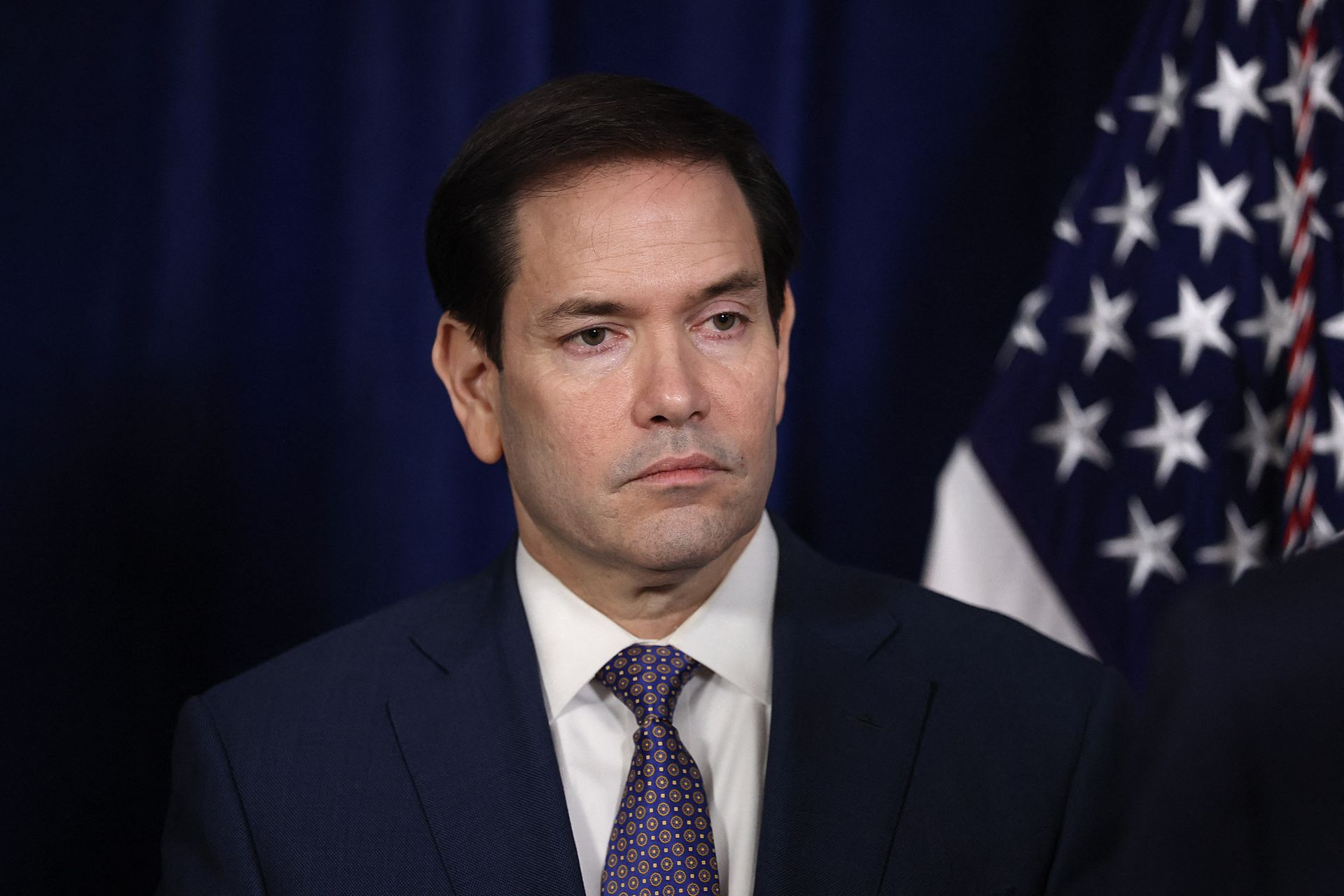
In a Fox News interview on Tuesday, U.S. Secretary of State Marco Rubio said that Israel and Lebanon both sides ultimately “seek peace,” with the long-term solution centered on empowering the Lebanese Armed Forces to “go after and disarm and dismantle Hezbollah.”
He described the situation as “a very unique ceasefire” in which “Lebanon and Israel are not at war,” but are instead dealing with Hezbollah’s presence inside Lebanon.
Rubio stressed that “Israel has no territorial claims on Lebanon. There isn’t some part of Lebanon that Israel claims belongs to them,” reiterating that “the problem Israel has is not with Lebanon. It’s with Hezbollah inside of Lebanon.”
On recent Israeli strikes, Rubio said Washington is aware of operations in advance and emphasized that Israel has the right to act against imminent threats, while noting the U.S. has urged Israeli officials “to measure themselves in their response, to make sure their responses are proportional and targeted, and so far that appears to be the case.” He also accused Hezbollah of attempting to derail diplomacy through continued attacks.
Rubio argued that Hezbollah does not represent Lebanese interests, calling it “an outside force operating inside of Lebanon on behalf of the Iranian regime,” and adding that “the only thing that Hezbollah has brought to Lebanon is suffering and destruction.”
He further said that resolving the conflict will require broader rejection of the group, noting that even within the Shia population there is a rejection of Hezbollah.
Addressing security dynamics on the ground, Rubio acknowledged limitations within the Lebanese military, saying “the Lebanese Armed Forces, while they may have willingness, do not at this moment have full capability to address all of the threats” posed by Hezbollah.
‘International waterways, not Iranian control’
Rubio also stressed that the Strait of Hormuz, a vital artery for global oil shipments, cannot be subject to unilateral control. “These are international waterways,” he said. “We cannot tolerate a system in which the Iranians decide who gets to use them.”
Despite Iran’s focus on maritime access, Rubio made clear that the nuclear file remains at the core of the Iran conflict. “The nuclear question is the reason why we’re in this in the first place,” he said, warning that any agreement must prevent Iran from advancing toward a nuclear weapon.
He described Iran’s use of the Strait of Hormuz as leverage comparable to an “economic nuclear weapon,” arguing that Tehran is already demonstrating its capacity to disrupt global markets. “Imagine if those same people had access to a nuclear weapon,” he added. “They would hold the entire region hostage.”
Internal divisions in Iran complicate negotiations
Rubio pointed to internal fractures within Iran’s leadership as a major obstacle to reaching any agreement, describing a system divided between political actors managing state affairs and ideological hardliners who hold ultimate authority. “Our negotiators aren’t just negotiating with Iranians,” he said. “Those Iranians then have to negotiate among themselves.”
While acknowledging that recent Iranian proposals were “better” than expected, Rubio questioned their credibility and coherence. “I think there are still questions about what it means and who can commit to it,” he said.
“They are serious about figuring out how to get themselves out of the mess they’re in,” he said, adding that Washington must ensure any agreement prevents Iran from buying time to advance its nuclear ambitions.


Comments