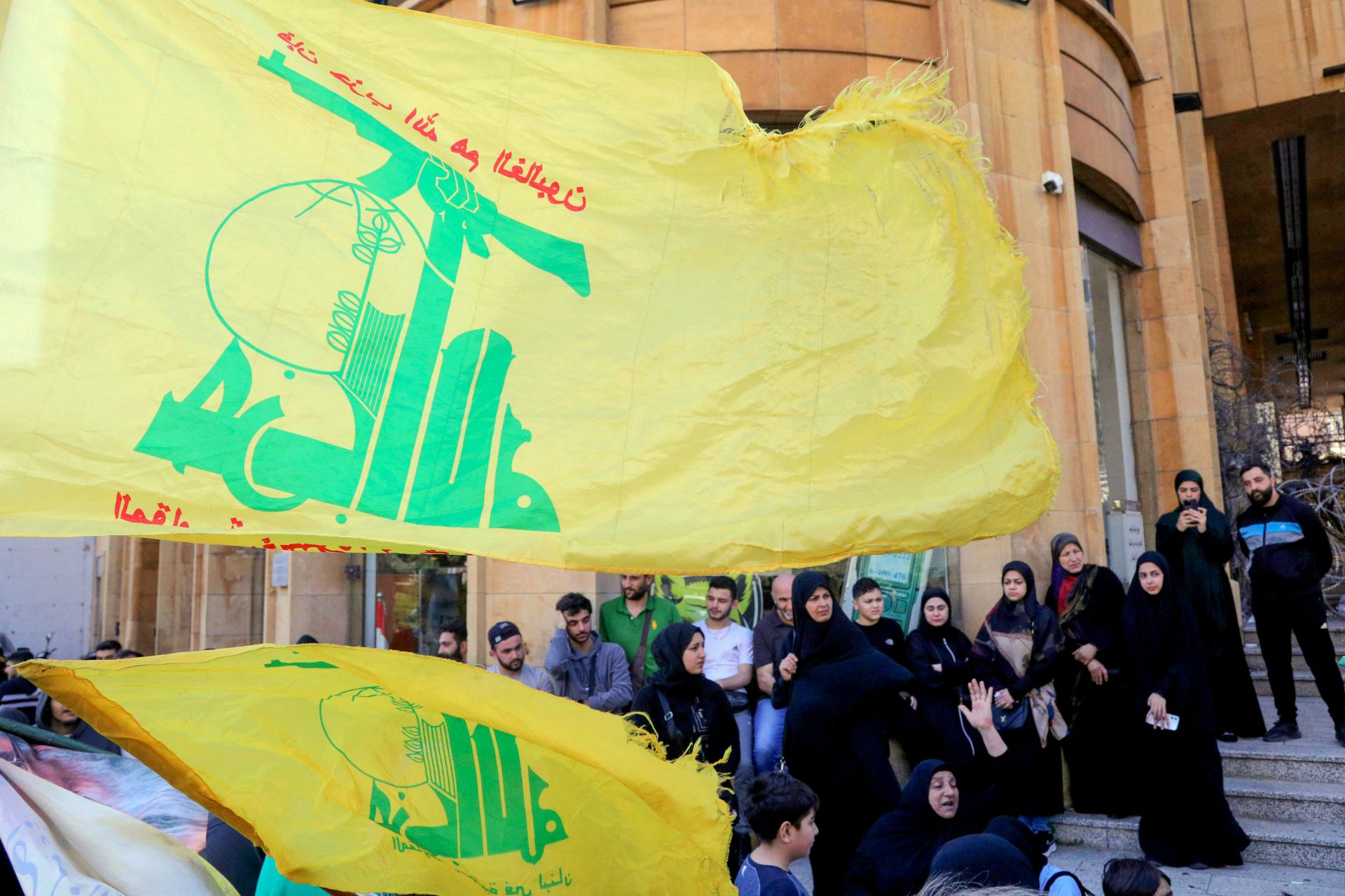
Hezbollah on Friday escalated its rhetoric against ongoing Lebanese-Israeli negotiations, rejecting any path toward a “comprehensive peace agreement” with Israel and warning Lebanese authorities against what it described as a “concessionary track” imposed under American pressure.
In a lengthy statement released on the anniversary of the May 17, 1983, agreement between Lebanon and Israel, historically condemned by Hezbollah and its allies as the “Agreement of Shame," the Iran-backed group accused Lebanese authorities of moving toward a “dangerous” political and security path despite continued Israeli strikes and escalating regional tensions.
The statement comes as Lebanon prepares for another round of U.S.-mediated direct talks with Israel and amid mounting domestic and international pressure over Hezbollah’s weapons and the implementation of state authority across Lebanese territory.
Hezbollah rejects direct negotiations
Once again, Hezbollah warned Lebanese officials against pursuing direct negotiations with Israel, arguing that such talks only serve Israeli interests while bringing “free concessions” from the Lebanese state.
“We call on the Lebanese authority to withdraw from direct negotiations, which constitute pure gains for Israel and free concessions from the Lebanese authority,” the group said.
The party also rejected discussions linking Hezbollah’s weapons to negotiations with Israel, insisting that the issue of arms remains strictly an internal Lebanese matter despite growing calls from the Lebanese government and international actors for the group’s disarmament.
“There is no relation whatsoever between the resistance’s weapons and negotiations with the enemy,” Hezbollah stated.
The remarks directly contradict the position increasingly voiced by Lebanese officials in recent months, including calls for the state to fully monopolize arms and implement sovereignty across all Lebanese territory following the devastating war that erupted earlier this year after the group launched attacks on Israel following the killing of Iranian Supreme Leader Ali Khamenei, further deepening criticism inside Lebanon over the group's decision to drag the country into war.
Escalating criticism of Lebanese authorities
The group also criticized decisions taken by the Lebanese government on August 5 and August 7, which refer to the landmark decisions adopted by the Lebanese Cabinet. These decisions constituted an official roadmap aimed at “extending state authority” across all Lebanese territory and restricting arms exclusively to the Lebanese Army.
Hezbollah argued that Israeli military operations have continued despite the diplomatic track pursued by Beirut, pointing to ongoing strikes, assassinations and destruction in southern Lebanon.
“Many Lebanese now see the extension of the ceasefire through this path as an extension of the aggression against them,” the statement said.
However, Hezbollah’s accusations come despite the fact that both the November 27, 2024, ceasefire agreement and the truce currently in effect since April 8, 2026, included provisions tied to restoring full Lebanese state authority and addressing Hezbollah’s weapons. Despite growing domestic and international pressure, Hezbollah has continued rejecting disarmament and maintaining its military operations.
Hezbollah insists resistance will continue
Reaffirming its refusal to abandon armed confrontation, Hezbollah stressed that Israeli forces “will never stabilize on our land” as long as the group’s fighters and resistance infrastructure remain active.
The party concluded its statement by declaring that “the dawn of liberation, freedom, and full independence will rise, no matter how long it takes.”
The statement reflects Hezbollah’s continued insistence on maintaining its military role despite the extensive destruction caused by the conflict, the displacement of hundreds of thousands of Lebanese, and increasing political divisions inside Lebanon over the future of the group’s arsenal and regional role.



Comments