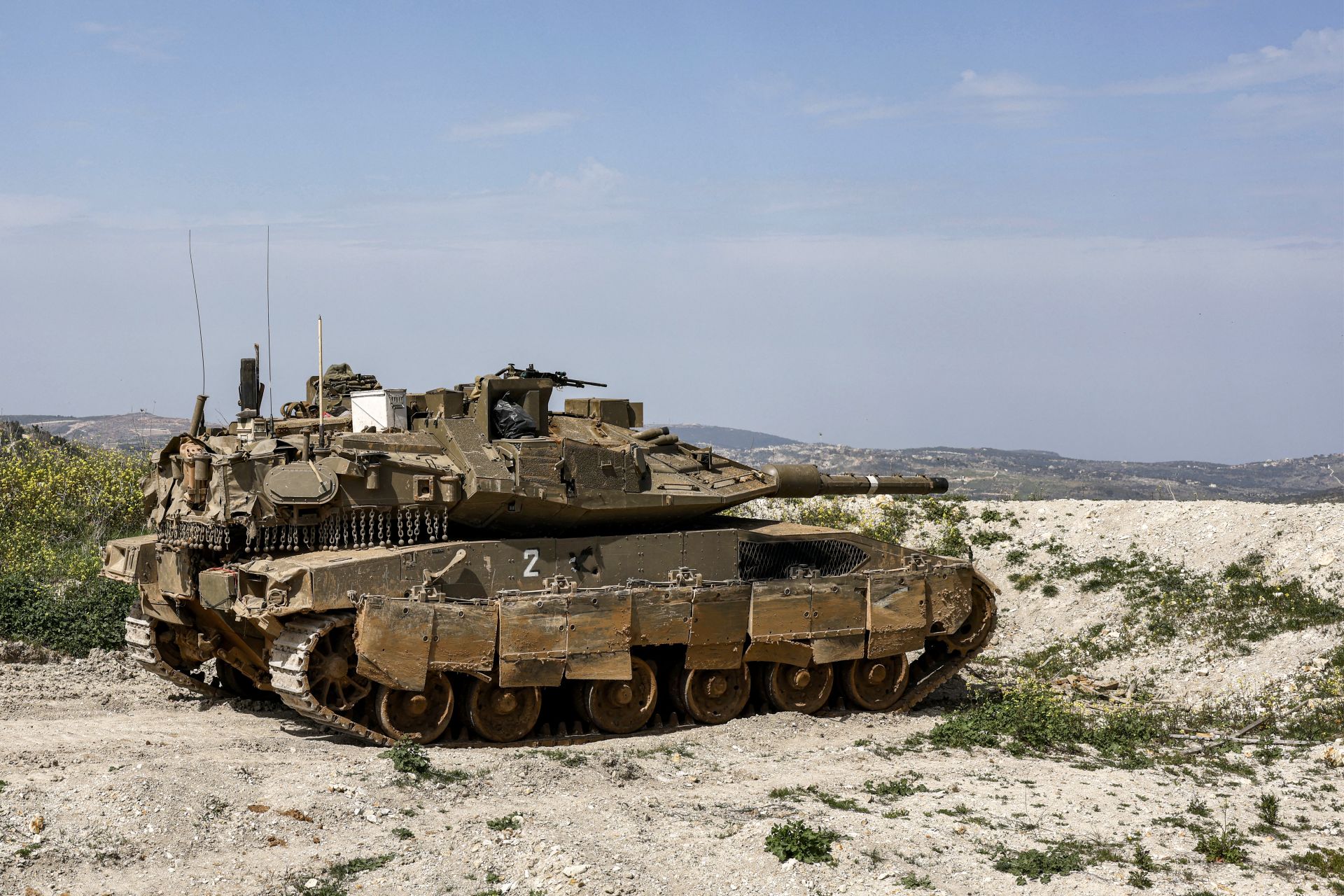
On Monday, Avichay Adraee, the Arabic-language spokesperson of the Israeli army, issued a public warning on X to residents of southern Lebanon, outlining new movement restrictions along the so-called “yellow line” in areas where Israeli forces remain deployed.
In what was described as an “urgent message,” Adraee stated that despite the ceasefire agreement, Israeli troops would continue to hold positions in southern Lebanon “in the face of ongoing terrorist activity” attributed to Hezbollah.
He warned civilians not to move south of a designated line running across dozens of villages, effectively delineating a new boundary of restricted access. Residents were also instructed to avoid approaching key geographical areas, including the Litani River and nearby valleys, and were explicitly prohibited from returning to a long list of frontline villages.
The warning, widely circulated online, marks one of the clearest public indications yet of Israel’s intent to enforce a controlled zone inside Lebanese territory following the ceasefire.
A New Line on the Map
A day earlier, the Israeli military published a map showing what it described as a new “deployment line” inside Lebanon, according to reporting by Reuters.
The map reveals Israeli positions extending between 5 and 10 kilometers north of the internationally recognized border, encompassing dozens of largely abandoned Lebanese villages. The line stretches from east to west across southern Lebanon and is widely interpreted as forming the basis of a planned buffer zone.
In a statement accompanying the map, the Israeli military said that multiple divisions were operating south of what it termed a “forward defense line” to dismantle Hezbollah infrastructure and prevent threats to northern Israel.
Israeli Defence Minister Israel Katz further signaled a hardline approach, stating that buildings allegedly used by Hezbollah near the border would be destroyed, along with any structures or roads considered a threat to Israeli forces.


Comments