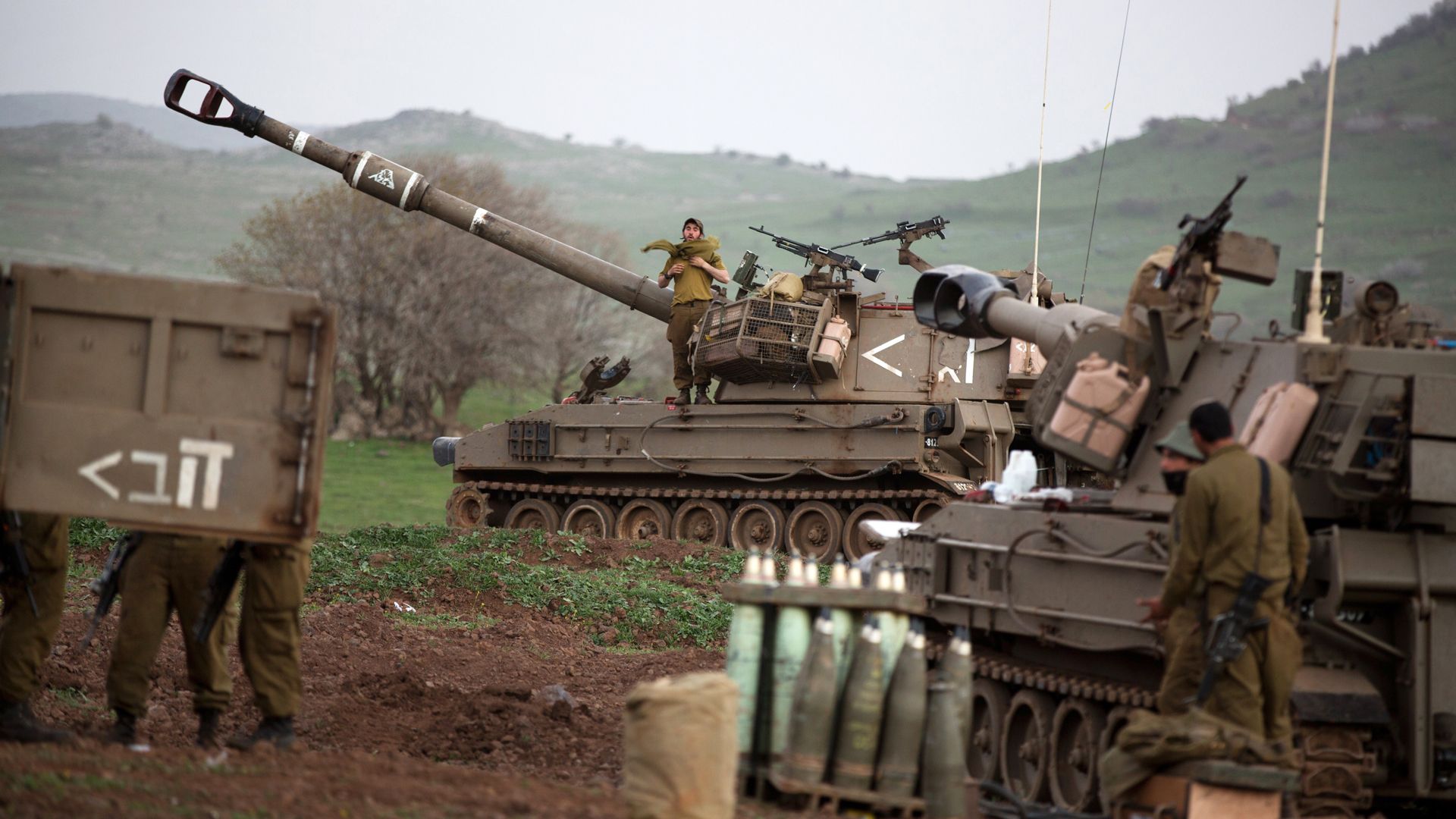
Israeli forces continued shelling areas in southern Lebanon on Friday, including the towns of Khiam and Debbine, according to Lebanon’s National News Agency (NNA).
Under the U.S.-brokered 10-day ceasefire, Israel agreed to halt “offensive” military operations against Lebanese targets but explicitly retained the right to act in self-defense against “planned, imminent, or ongoing attacks.” The agreement, approved by both Israel and Lebanon, allows such actions “at any time,” even during the cessation of hostilities.
Israeli Prime Minister Benjamin Netanyahu also stated that the Israeli military will remain in their positions in southern Lebanon after the ceasefire takes effect.
The reported shelling began shortly after the truce entered into force at midnight, prompting the Lebanese Armed Forces to record what it described as multiple violations and to warn civilians against returning to southern areas due to continued security risks.
In a statement, the army said intermittent shelling had affected several areas and urged residents to delay their return, emphasizing the fragility of the situation.
The ceasefire framework also places obligations on Lebanon to take “meaningful steps” to prevent attacks by non-state armed groups, including Hezbollah, and envisions further U.S.-facilitated negotiations aimed at reaching a broader agreement on security and border issues.
IDF Spokesperson Admiral Avichay Adraee also issued an “urgent” notice to residents of southern Lebanon, urging them not to return to communities south of the Litani River as the ceasefire agreement takes effect. '”For the sake of your safety and the well-being of your families, and until further notice, you are required not to move south of the Litani River.”
While the agreement formally halts offensive operations, its built-in self-defense clause leaves room for continued military activity under certain conditions.


Comments