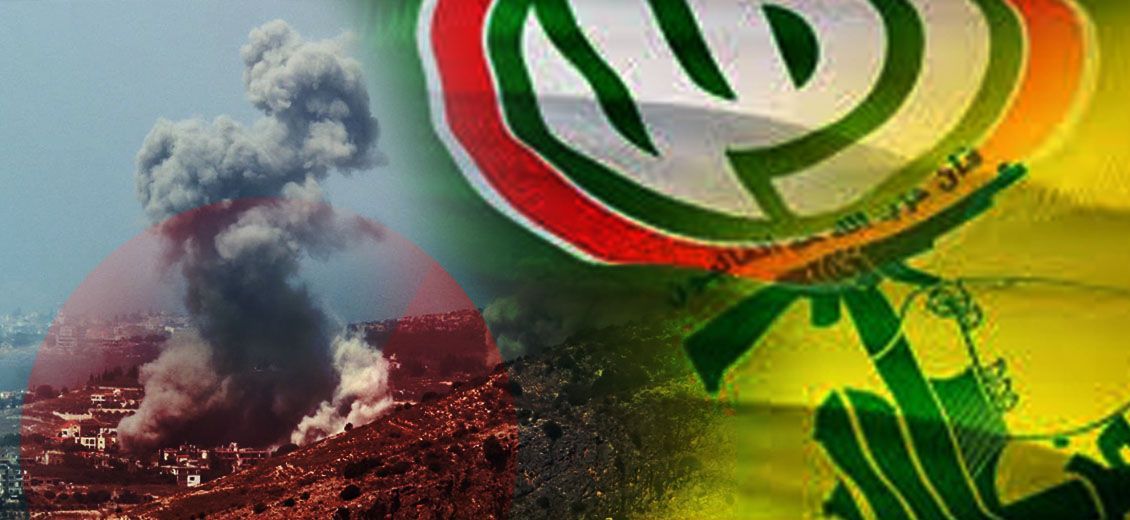
Following a wave of protests by supporters of Hezbollah throughout the week, culminating on Saturday, the Amal Movement announced it would not participate in the demonstrations and urged its supporters to boycott them.
In a statement, Amal warned that insults directed at state leadership risk fueling internal unrest, stressing that political disagreements should be addressed through institutional channels rather than in the street. The move marks a rare public divergence from Hezbollah and raises questions about cohesion within the traditionally aligned bloc.
On April 11, dozens of protesters gathered outside the government headquarters in central Beirut, in a demonstration that drew limited participation despite calls for mobilization. Protesters chanted slogans against Prime Minister Nawaf Salam, accusing him of aligning with foreign agendas. The protesters also called for the government’s overthrow, according to messages shared by supporters.
Protests earlier in the week expanded into several areas of the capital, where groups blocked roads, burned tires, and damaged public and private property, raising concerns over internal stability.
Army Issues Warning
In response, the Lebanese Armed Forces issued a statement warning against any escalation.
The army said it respects the right to peaceful protest but stressed it would intervene decisively against any actions that threaten civil peace or involve attacks on property. It also urged citizens to comply with instructions from deployed military units, emphasizing the need for “maximum responsibility” under current conditions.
The warning comes as the country faces ongoing Israeli strikes and mounting internal pressure.
Government Moves to Restrict Weapons
The protests follow a cabinet decision ordering the Lebanese army and security forces to immediately enforce full state control over Beirut and limit weapons exclusively to official forces. The move was described by officials as a step to reinforce state authority and prevent the capital from becoming a platform for regional conflicts.
President Joseph Aoun had also stressed that the Lebanese state alone holds the authority to negotiate and decide on matters of war and peace.
Tensions were further heightened after comments by Ali Akbar Velayati, who warned that sidelining Hezbollah would expose Lebanon to security risks. The remarks were widely viewed in Beirut as a direct attempt to influence internal political decisions, particularly at a time when the government is seeking to assert greater control over security matters.
Hezbollah and Amal Issue Joint Statement
Hezbollah and Amal issued a joint statement later on Saturday evening calling on their supporters to refrain from holding demonstrations.
“The Amal Movement and Hezbollah call on our honorable people not to demonstrate during this delicate phase the country is going through,” the statement reads.
As Israeli and Lebanese officials prepare to hold direct talks in Washington, DC on Tuesday, the Amal movement diverged from Hezbollah’s position as Israel has begun to target the party as a point of pressure.
The joint message cites “the leaderships’ concern for stability, the protection of civil peace, and avoiding any division desired by the Israeli enemy” in its calls to reduce public unrest.

Comments