- 17
- Mar
- 2026

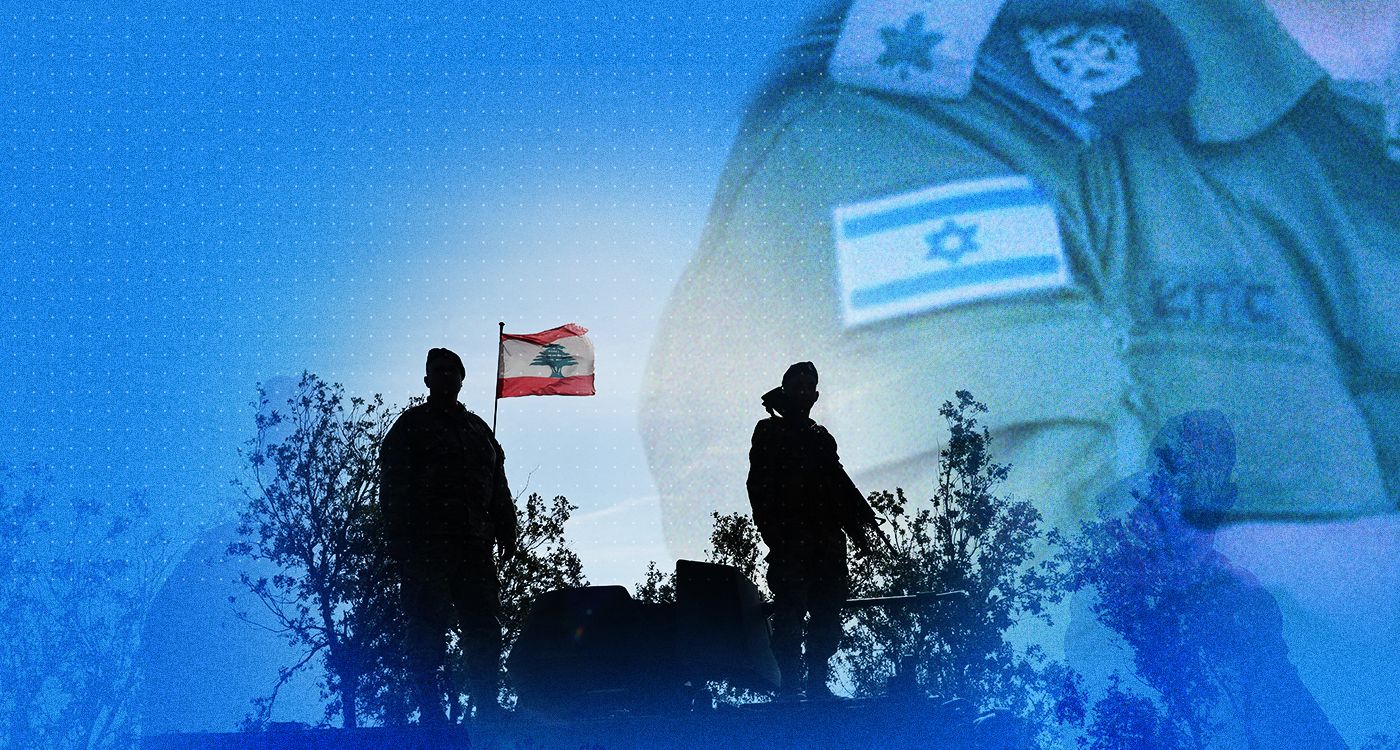
Now that Lebanon and Israel’s interests are so clearly aligned in disarming Hezbollah, the time has come for the two states to cooperate toward this shared goal and lay the groundwork for peace.
On March 2, Lebanon’s cabinet convened an emergency meeting and declared Hezbollah’s military and security activities illegal, ordered it to surrender its weapons, and restricted it to a political role. Chaired by Christian President Joseph Aoun and presided over by Sunni Prime Minister Nawaf Salam, the session appeared to have the acquiescence of Shia ministers aligned with Speaker Nabih Berri, giving it cross-sectarian legitimacy.
Israel, meanwhile, has pressed its military advantage against Hezbollah to achieve a similar outcome, in line with UN Security Council Resolution 1701, which mandates the disarmament of militias in Lebanon.
With Lebanon now asserting political legitimacy to confront Hezbollah, while Israel provides the necessary muscle, the Lebanese people have an opportunity to end decades of misery caused by Hezbollah and its endless wars.
Lebanese-Israeli cooperation may seem too good to be true. It would mean shattering longstanding taboos, particularly the Arab and Lebanese ban on engaging with Israel or seeing it as anything other than an eternal enemy, at least until the elusive goal of a Palestinian state is reached.
Waiting for “Palestine” is like waiting for Godot. No responsible government can base its policy on such an indefinite prospect. Meanwhile, keeping Hezbollah armed is a risk Lebanon can no longer afford. The militia must be disarmed—yesterday—and that requires immediate cooperation between Beirut and Jerusalem.
Until now, Lebanon has treated cooperation with Israel—let alone normalization—like the plague. Many Lebanese cite outrageous conspiracy theories to justify continued animosity toward the Jewish state. The most common claim is that Israel seeks to seize Lebanese territory up to the Litani River to secure fresh water resources.
Such an ambition might have made sense decades ago when the Litani was a viable water source. Over the past few decades, however, Lebanon has depleted its underground aquifers and polluted its rivers. Israel, in contrast, has mastered desalination to the point of global leadership and no longer relies on northern water sources.
Another unfounded fear is the myth of an Israeli ambition to control all the land "from the Nile to the Euphrates.” When Israeli officials refer to "Greater Israel," however, they typically mean Mandate Palestine, perhaps including the Golan Heights, nothing beyond that. Jerusalem has honored its peace treaties with Egypt and Jordan down to the last inch of territory. A formal Lebanese-Israeli agreement would, in fact, permanently cement the border, putting to rest fears of hidden Israeli designs on Lebanese land.
Meanwhile, Lebanese intellectuals claim that Israel aims to draw Lebanon into its “sphere of influence,” framing this as a threat. Yet in a region torn between Iranian Shia Islamism and Turkish Sunni Islamism, aligning with Israel is the most pragmatic option. Lebanon’s national interests are far better served by aligning with Israel than with either Islamist option.
Finally, opponents of cooperation or normalization with Israel argue that it would lack popular support in Lebanon. This may reflect today's reality, where Hezbollah and antisemitism dominate public discourse, while draconian laws criminalize contact with Israelis, visiting Israel, or even advocating peace, often leading to social shaming or physical intimidation of peace advocates.
Lebanon must repeal these infringements of liberty and instead guarantee genuine freedom of expression for advocates of peace. Only when open, uncensored debate is possible can true public sentiment emerge, and it would likely reveal far stronger support for peace than current conditions permit.
Ultimately, direct cooperation between the Lebanese and Israeli governments would make their shared goal, eradicating Hezbollah's military threat, smoother and faster. It would avert the bloodshed and financial burdens of doing so the hard way, as events seem to be unfolding now.
Israel has grown weary of Lebanon’s repeated promises to disarm Hezbollah, only for Beirut to insist that such an undertaking would trigger civil war. Any such conflict is not Israel’s, or the world’s, responsibility. Lebanon must shoulder its responsibilities as a sovereign nation.
If Lebanese leaders believe they must first secure the approval of Saudi Arabia or Iran before making decisions, the country has effectively forfeited its sovereignty. Instead, Lebanon would remain a patchwork of tribal proxies of foreign powers, while its citizens live on land that Israel is compelled to police with iron and fire to protect its own people.
To reclaim its sovereignty, Lebanon should seize the current window of converging interests with Jerusalem before it closes.


Comments