- Home
- Middle East
- Lebanon Calls for Renewed Negotiations as Israeli Strikes Escalate
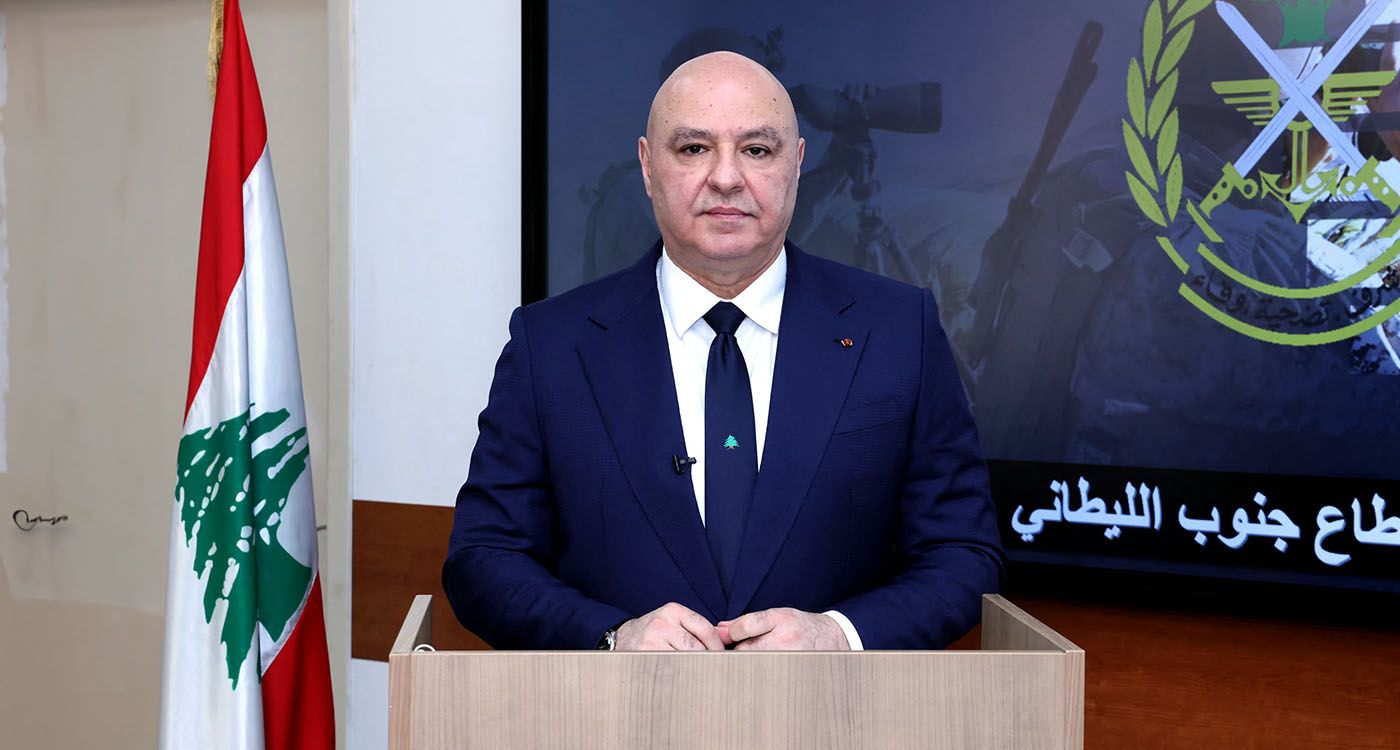
The Lebanese President Joseph Aoun ©AFP PHOTO / HO / LEBANESE PRESIDENCY
Lebanese President Joseph Aoun on Monday urged major international powers to push for renewed negotiations aimed at halting Israel’s escalating military campaign in Lebanon, as cross-border fighting between Israeli forces and Hezbollah continues to intensify.
Speaking during a meeting with the ambassadors of Denmark, Sweden, and Norway, Aoun said Lebanon remains fully committed to the November 2024 ceasefire framework that sought to halt hostilities along the Israel-Lebanon border.
“Lebanon’s position is clear and was reflected in last week’s Cabinet decision,” Aoun said, emphasizing the country’s commitment to the terms of the ceasefire agreement. He added that Lebanon has informed major powers and the United Nations of its readiness to resume negotiations on security arrangements necessary to stop the dangerous escalation by Israel.
Lebanon Reaffirms Commitment to Ceasefire
The Lebanese president argued that Israel’s ongoing strikes across Beirut’s southern suburbs, southern Lebanon, and the Bekaa Valley would not achieve their intended objectives.
Aoun stressed that Lebanon continues to seek stability and expects Israel to halt attacks across Lebanese territory as part of the ceasefire framework.
The 2024 agreement was designed to reduce tensions along the border following a previous round of fighting between Israel and Hezbollah, but the deal has come under increasing strain as the regional conflict intensifies.
Government Pushes Plan to Consolidate Weapons Under State Control
Aoun also reiterated that the Lebanese government intends to implement its decision to restrict weapons to state control, though he said the plan would proceed in accordance with security conditions on the ground.
The policy reflects the government’s recent effort to assert authority over armed activity in Lebanon, including measures targeting Hezbollah’s military operations and the presence of Iran’s Revolutionary Guard.
The Lebanese cabinet recently adopted decisions banning Hezbollah’s military and security activities and prohibiting operations linked to the Iranian Revolutionary Guard Corps (IRGC) on Lebanese territory.
President Warns Against Undermining the Army
During the meeting, Aoun also warned against attempts to weaken Lebanon’s armed forces during what he described as a critical national moment.
“Targeting the Lebanese army or its commander in these sensitive circumstances is unacceptable,” Aoun said, arguing that such actions undermine state authority and risk drawing Lebanon deeper into the regional war.
He added that the majority of Lebanese citizens oppose being dragged into the broader Middle East conflict and believe that only the state should decide questions of war and peace.
Israeli Strikes Continue Across Lebanon
Aoun’s remarks came as Israel carried out fresh airstrikes on southern Lebanon and Beirut’s southern suburbs, targeting branches of Al-Qard al-Hassan, a financial network widely considered Hezbollah’s economic arm.
According to local reports, strikes hit several locations in the suburbs, including Sfeir, Bourj el-Barajneh, Haret Hreik, Kafaat, and Laylaki.
Israel has increasingly targeted financial and logistical infrastructure linked to Hezbollah as part of its expanding campaign against the group.
Hezbollah Launches New Attacks on Israeli Positions
Hezbollah said it had launched multiple attacks on Israeli forces earlier Monday, including rocket fire toward the northern Israeli city of Kiryat Shmona and strikes against Israeli military units near Adaisseh and Aitaroun in southern Lebanon.
The group also said its fighters confronted an Israeli airborne operation involving infantry forces attempting to advance into eastern Lebanon.
Lebanon Drawn Into Wider Regional War
The confrontation between Israel and Hezbollah intensified after the group launched rocket attacks against Israel on March 2, saying the strikes were retaliation for the killing of Iran’s Supreme Leader Ali Khamenei during U.S.–Israeli attacks on Iran on February 28.
Israel has since expanded its military campaign in Lebanon, conducting widespread airstrikes and deploying forces near several border villages.
As the fighting escalates, Lebanon’s government has sought to balance internal political pressures with international calls to prevent the conflict from widening further, but the question remains: will it be enough to stop the war, or are concrete actions on the ground awaited from the Lebanese government and the Lebanese army?
Read more
Comments