- 07
- Mar
- 2026

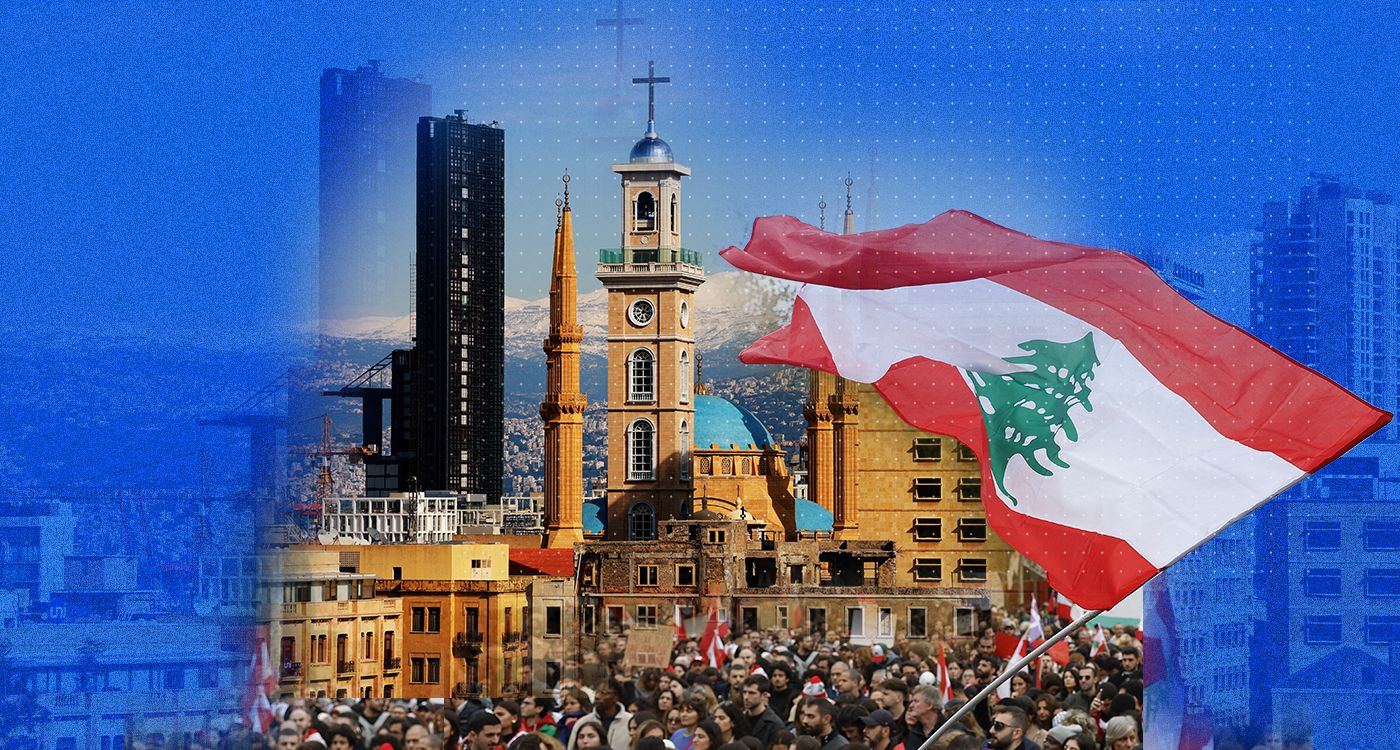
Once again, Iran and its proxy, Hezbollah, have dragged Lebanon into a war. Once again, Hezbollah has shown that its loyalty is to its paymaster in Tehran, not to the Lebanese people or state, whose well-being and security are matters of indifference to them. Once again, Hezbollah's practice of using human shields to protect its facilities and operations has produced dislocations and a humanitarian crisis. It is a sadly familiar pattern dating to the early 1990s, as many of us know all too well.
But there are differences today. These differences are a cause for hope. And they are reason for persistence and determination in making the effort to end once and for all this pattern that makes Lebanon a landscape for regional conflict. With such effort, American support will come.
It starts with popular will. The big lie that Hezbollah was the protector and defender of Lebanon has yet again been exposed as the opposite of the truth. Lebanon would have been left out of this phase of the regional conflict but for a twitch of a finger from Hezbollah's masters to join in a losing campaign to defend Iran. It is Hezbollah's fealty to Iran that drives it to make decisions that mean life or death for Lebanese, without any democratic accountability to the Lebanese people. My sense is that Lebanese, even from Hezbollah's own Shi'a community, can now see this reality clearly and are repulsed by it.
Hence the second difference. Slowly but surely, Lebanon's current leaders are restoring the sovereignty of the state. Lebanese can and will debate the pace and specifics of it, but stepping back, the progress has been real. Those responsible are acting on the basis of a sincere commitment to the sovereignty of the state--so long dismissed or discarded by Lebanese and foreigners alike--in ways that entail political and personal courage. Measures banning Hezbollah military operations, expelling IRGC personnel, and requiring visas for Iranian visitors were inconceivable just a short time ago. Hezbollah's own blunders and IDF action created these opportunities, but that is only further reason to stay on course toward sovereignty. With the full political cover it now enjoys, it is time for the Lebanese army to consider accelerating its plans to disarm Hezbollah and restore the state's monopoly of arms, within the manpower constraints it faces.
The third difference is that America is doing the most important thing it alone can do for the future of Lebanese sovereignty: ending almost 50 years of Iranian intimidation, terrorism and violence throughout the Middle East. Iran's strategy was always about preserving the power and existence of the Islamic revolutionary regime's leaders, and never about promoting justice and freedom in the Arab world. These leaders were usually adept at exploiting real local conflicts, but the aim was to enflame those conflicts, not resolve them, as an ideal means to ensure Iran had the upper hand and to unify Iranians against imaginary external threats. A change in the behavior and capabilities of the regime is a more realistic goal than regime change itself. However the Trump Administration's campaign ends, Iran's ability to use its missiles, navy, nuclear plans, and proxy alliances will not be the same. By denying Iran the ability to interfere in and use Lebanon for its own violent purposes, this campaign has the potential to give Lebanese the chance of a lifetime to regain their country. As Lebanon's leaders show more unity, confidence and determination in actions to fulfill that opportunity, support from American and other leaders who share the goal of restoring Lebanese state sovereignty will only grow.
This phase of the regional conflict will end. When it does, the region will be different: Iran will be a severely reduced power. It will no longer be capable of destabilizing the region. The Lebanese state will be on the road to restoring sovereign control.
It is hard to imagine that future at moments of national darkness. But it is precisely at such moments that thinking and planning on how to shape that future are so important. True sovereignty entails real responsibility--in this case, to protect the Lebanese people and ensure the security of Lebanon on an enduring basis. Ceasefire and truces are valuable but not enduring, as Lebanon has experienced since 1949. Only good faith, state-to-state peace treaties can put a past of enmity and violence truly behind two neighbors. What is done today, step-by-step, will assure Lebanon's security, prosperity, and rightful place in the world--and end its use as a landscape for the conflicts of others.


Comments