- Home
- Middle East
- Iran Could Offer Billion-Dollar Energy Deal Ahead of Nuclear Talks - Report
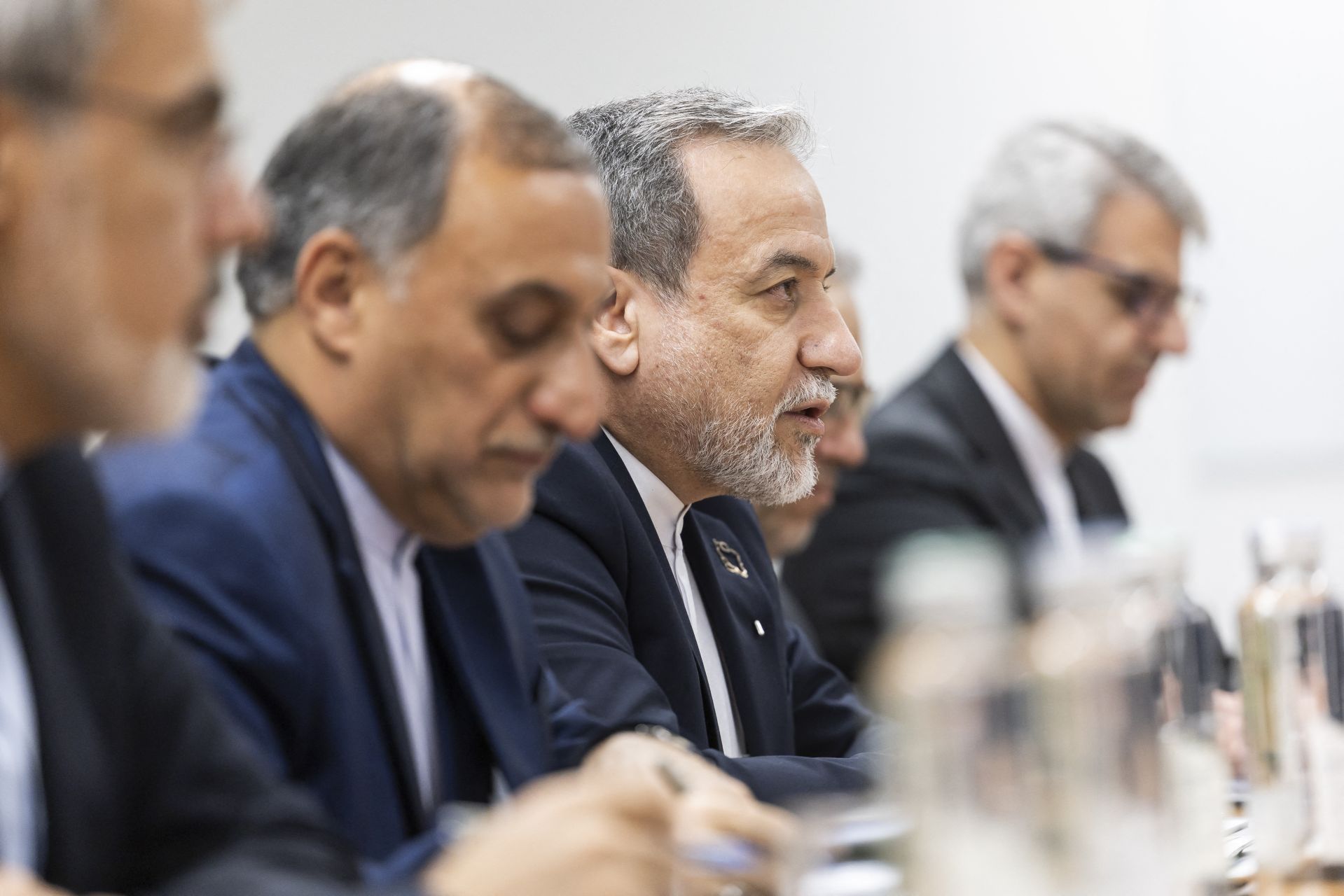
Iran's Foreign Minister Abbas Araghchi speaks during a bilateral meeting between Switzerland and Iran during a second round of US-Iranian talks with Washington pushing Tehran to make a deal to limit its nuclear programme, in Geneva on February 17, 2026. ©CYRIL ZINGARO / POOL / AFP
Iran is reportedly preparing a major economic offer aimed at persuading the United States to pursue a diplomatic agreement instead of a military strike. The proposal, according to the Financial Times, could include significant investment opportunities in Iran’s oil, gas, and mineral sectors.
The source said the plan appears tailored to appeal directly to President Donald Trump, who favors deals with strong economic benefits. U.S. companies could gain oil and gas exploitation rights, access to strategic minerals, and other key resources.
The goal, according to the report, is to turn the ongoing standoff into a commercial opportunity that might help defuse the crisis.
The third round of indirect nuclear negotiations between Iran and the United States formally began Thursday in Geneva, with Tehran signaling that progress will depend on what it describes as Washington’s seriousness and consistency.
According to a statement from Iran’s Foreign Minister, Abbas Araghchi, the talks commenced “in practical terms” with a meeting between Araghchi and his Omani counterpart, Badr Albusaidi, who is mediating between the two sides.
During the meeting, Araghchi outlined Tehran’s positions on the nuclear file and the lifting of sanctions, emphasizing that “the success of the negotiations requires seriousness from Washington and refraining from contradictory behavior and positions,” the Iranian statement said.
Iran outlines potential framework
Iranian officials indicated that Araghchi presented elements of a potential framework covering sanctions relief and nuclear commitments, building on what both sides previously described as “guiding principles” agreed upon in earlier rounds.
Oman’s Foreign Ministry said the two ministers reviewed the latest developments and discussed proposals Iran intends to present as part of efforts to reach a mutually acceptable agreement. Muscat has played a central diplomatic role, serving as a conduit for messages between Tehran and Washington.
Albusaidi expressed hope that the negotiations would yield outcomes satisfactory to both sides and help advance a sustainable diplomatic path. He is expected to meet the U.S. negotiating team to relay Tehran’s positions and hear Washington’s proposals.
Talks under pressure of escalation
The Geneva round takes place amid heightened regional tensions and weeks of escalating rhetoric from both capitals. Since January, both Iran and the United States have publicly affirmed openness to diplomacy while simultaneously signaling readiness for military action should talks collapse.
The parallel messaging, dialogue paired with deterrence, has left the diplomatic track fragile. Officials familiar with the negotiations describe this phase as critical, as negotiators move from broad principles toward more detailed proposals.
The central disputes remain sanctions relief, the scope of uranium enrichment, and guarantees over the future trajectory of Iran’s nuclear program. Tehran maintains that its program is peaceful and tied to economic and medical needs, while Washington insists it will not allow Iran to develop nuclear weapons capability.
With Oman continuing its shuttle diplomacy and both sides preparing to exchange more concrete proposals, the Geneva talks represent a pivotal moment: either narrowing gaps through technical compromise or further entrenching positions under the shadow of potential escalation.
Read more

Comments