- Home
- Middle East
- Iran President Says Sees 'Favourable Outlook' Ahead of U.S. Talks
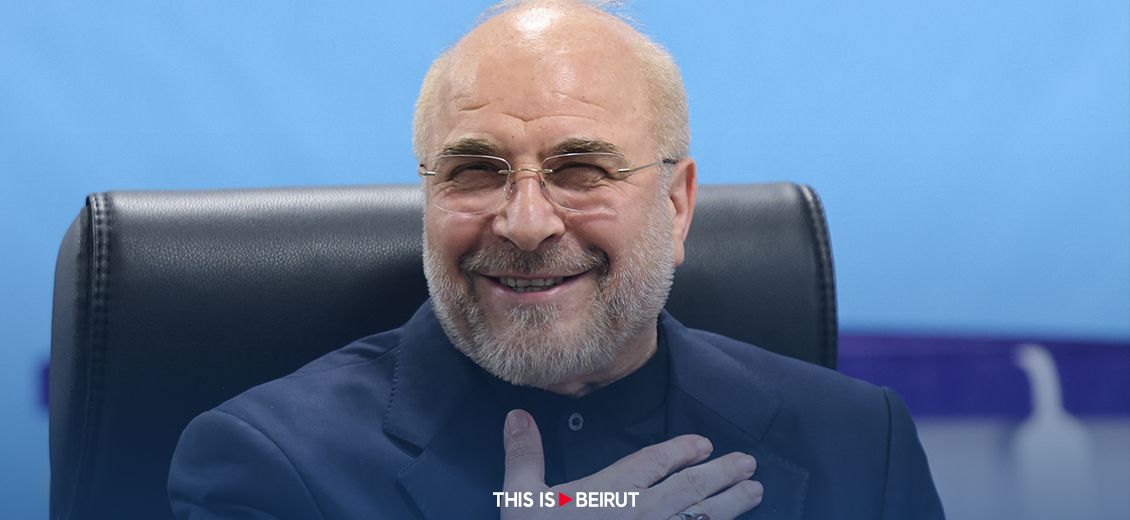
©ATTA KENARE / AFP
Iran's President Masoud Pezeshkian said Wednesday that he was hopeful ahead of the third round of talks with the United States, adding that they could help end the standoff with Washington.
"We see a favourable outlook for the negotiations," said Pezeshkian in a speech. "We are continuing the process under the guidance of the supreme leader so that we can move beyond this 'neither war nor peace' situation."
In parallel, Iran’s parliamentary speaker warned Washington on Wednesday that Tehran is prepared for either diplomacy or confrontation, as the country’s foreign minister headed to Geneva for a third round of indirect negotiations with the United States amid rising military tensions in the region.
Speaking at a forum with economic activists, Mohammad Bagher Ghalibaf, the speaker of Iran’s parliament, said that “all options are on the table,” framing Tehran’s position as a choice between what he called “balanced diplomacy” and defensive action.
“We tell the Americans clearly and firmly: the options are equal diplomacy or defense that will make you regret aggression,” Ghalibaf said, according to Iranian media. He added that Iran would return to negotiations if Washington pursued talks on an equal footing but warned that “deception or hostility” would be met with what he described as a decisive response from the Iranian people.
Ghalibaf also addressed Donald Trump directly, urging him not to base decisions on what he called inaccurate intelligence supplied by Israel and unnamed intermediaries. He reiterated Tehran’s long-standing position that Iran does not seek nuclear weapons while accusing its adversaries of misunderstanding both Iran and its population.
Araghchi travels to Geneva for third round
Hours after Ghalibaf’s remarks, Iran’s semi-official ISNA news agency reported that Foreign Minister Abbas Araghchi departed for Geneva to take part in the third round of indirect Iran–U.S. negotiations, scheduled for Wednesday.
Iranian government spokeswoman Fatemeh Mohajerani confirmed that Tehran remains committed to participating in the talks, which are being held through intermediaries following two earlier rounds.
The renewed diplomacy comes as Trump has publicly stated a preference for resolving the standoff through negotiations, while simultaneously warning that the United States would not allow Iran to develop nuclear weapons.
Talks under shadow of military escalation
The latest diplomatic push unfolds against a backdrop of intensified U.S. military deployments in the Middle East and growing speculation about possible military action should negotiations fail.
Iranian officials have repeatedly emphasized that they view diplomacy as viable only if conducted on what they describe as equal terms. At the same time, senior figures have adopted increasingly forceful rhetoric, signaling readiness to respond militarily if Tehran is attacked.
Ghalibaf’s comments reflect this dual-track approach: offering negotiations while underscoring deterrence.
The Geneva meetings are widely seen as a critical test of whether the current diplomatic channel can produce tangible progress or whether the confrontation between Washington and Tehran will drift further toward escalation. With military posturing continuing on both sides, regional and international observers are watching closely for signs of compromise or for indications that diplomacy may be reaching its limits.
Read more

Comments