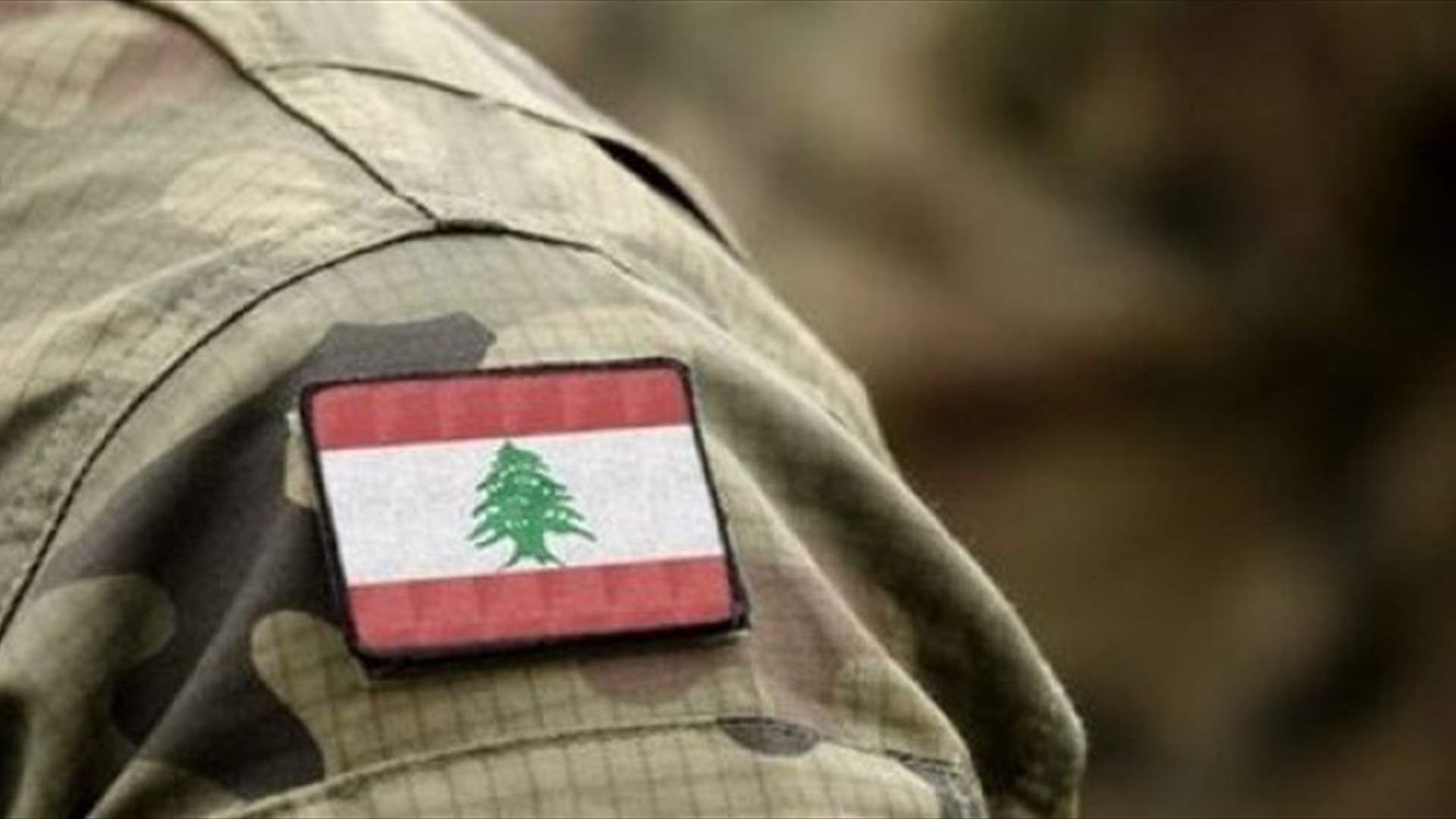
Lebanese President Joseph Aoun is preparing to present a long-anticipated national defense strategy next month, a move that could reshape the country’s approach to sovereignty, military authority, and the future of weapons outside state control.
According to information obtained by Al-Modon, the plan is now in its final drafting phase after months of work by a specialized committee that includes serving and retired military officers with expertise in strategic studies, supported by legal and technical advisers. The Lebanese Armed Forces has also contributed to parts of the framework through designated officers.
The draft is expected to be submitted to the Cabinet in the coming weeks.
A State-Led Framework for Defense
At its core, the strategy seeks to formalize a state-approved defense doctrine, defining how Lebanon deters aggression, responds militarily and diplomatically, and organizes national security responsibilities.
Crucially, it addresses the sensitive issue of heavy weaponry held by Hezbollah, particularly arms stored north of the Litani River. The document reportedly explores mechanisms for bringing such capabilities under Lebanese state authority or regulating their use within an official national framework.
The timing is significant. The government is moving ahead with plans to extend weapons control beyond southern Lebanon, marking what officials describe as the next phase of state consolidation north of the Litani, a step fraught with political and security risks.
Presidential advisers believe embedding this process within a broader defense strategy could reduce tensions by reframing disarmament as part of a comprehensive national policy rather than a unilateral demand.
Building Political Consensus Before Cabinet Approval
Once the draft reaches Baabda Palace, President Aoun is expected to begin consultations with major political forces, likely inviting parliamentary blocs for direct talks aimed at securing broad-based support.
Only after these discussions would the strategy formally go to the Cabinet, where ministers may revise key provisions before adopting it as a binding framework for Lebanon’s defense and security posture.
Officials close to the presidency say Aoun has become convinced that delaying the north-of-Litani phase carries political costs and that presenting a written, structured proposal offers a path toward serious dialogue, particularly with Hezbollah, which has repeatedly said the state should lead any defense strategy and has signaled readiness to engage.
That opening has been reinforced by recent remarks from Hezbollah’s secretary-general Naim Qassem, who publicly emphasized a defensive posture, suggesting the group is stepping back from offensive planning, a shift that may create space for negotiations.
Beyond the Military: A Whole-of-State Approach
While the initiative is being driven from the presidency, sources note that a true defense strategy would normally fall under government ministries, including defense, interior, foreign affairs, health, public works, and even information, reflecting the need for military readiness, diplomatic outreach, emergency preparedness, and strategic communications.
Diplomatic marketing of the strategy abroad is also expected to fall to the foreign ministry, as Lebanon seeks international backing for any new security framework.
High Stakes and Open Questions
President Aoun hopes the strategy will provide structured rules of engagement for both deterrence and response. But major uncertainties remain: whether domestic factions and foreign actors will accept any formula that preserves a military role for Hezbollah, and whether Lebanon has the resources to implement the strategy meaningfully.
International pressure continues to favor full weapons centralization under the state, while Hezbollah has indicated it views itself as a partner in any national defense architecture, a position likely to clash with both local rivals and external stakeholders.
Parallel regional developments are also influencing Beirut’s calculations, including evolving Iranian-American diplomacy and quieter signals from Tehran suggesting a possible recalibration of its regional posture.
A Narrow Window
Hezbollah has recently shown notable political flexibility, including internal organizational changes that elevate figures with civilian backgrounds, hinting at a broader strategic adjustment.
Whether that flexibility translates into concrete compromises remains unclear.
What is certain is that President Aoun is attempting to seize a narrow political window: using a formal defense strategy to bridge Lebanon’s deepest fault line, the question of arms and sovereignty, before regional dynamics shift again.
For Lebanon, the coming weeks may determine whether this initiative becomes a foundation for state authority or another missed opportunity in a long history of unfinished reforms.


Comments