
Lebanese transport unions sounded the alarm on Monday after Syria imposed new restrictions on foreign trucks entering its territory, a move they say threatens Lebanon’s land transport sector and risks disrupting trade flows between the two countries.
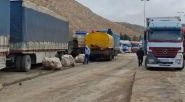
The decision, issued by Syria’s General Authority for Border Crossings and Customs under its director general Qutaiba Ahmad Badawi, bars non-Syrian trucks from entering the country via land crossings. Under the new rules, foreign cargo must be unloaded inside customs zones and transferred onto Syrian trucks, with an exception made only for transit vehicles, which must be escorted by customs authorities.
The decision runs counter to what Lebanese officials describe as a new phase of cooperation between Beirut and Damascus following the fall of President Bashar al-Assad’s regime.
Lebanese Deputy Prime Minister Tarek Mitri has publicly noted that the current Syrian government does not interfere in Lebanon’s internal affairs and has pursued agreements designed to rebuild trust between the two neighbours, most notably, a treaty signed on February 6, 2026 to transfer more than 300 Syrian prisoners from Lebanese jails to Syria.
Unions warn of immediate impact on Lebanon’s economy
Reacting to the measure, Bassam Tleiss, head of Lebanon’s road transport unions, said the decision would have “direct and negative repercussions” on drivers, traders, industrialists, and workers across the sector, particularly those transporting food and perishable goods that cannot withstand delays.
Tleiss stressed that the situation is made worse by the fact that Syrian trucks continue to enter Lebanon and operate normally, while Lebanese trucks are now barred from Syria.
“This threatens the livelihoods of hundreds of families and undermines a vital economic artery,” he said.
After contacting Public Works and Transport Minister Fayez Rassamny and Lebanon’s director general of land and maritime transport, Tleiss said he was informed the issue is under “serious follow-up” with Syrian authorities, including coordination with Damascus and Syria’s deputy prime minister, in an effort to reach solutions that protect the interests of both countries.
Fragile economic ties
The decision comes at a sensitive moment for bilateral relations, as Lebanon struggles with economic recovery and relies heavily on overland routes through Syria for exports and regional trade.
Union leaders warned that unless swift diplomatic engagement takes place, the restrictions could deepen economic strain, disrupt supply chains, and further weaken already fragile commercial ties between Beirut and Damascus.

Comments