- Home
- Middle East
- The End of the Middle East’s Oil Bonanza
- 03
- Feb.
- 2026

The Middle East has finally arrived at the grim reckoning long barreling toward it: a ruinous collapse of oil revenues that renders government deficits utterly unsustainable.
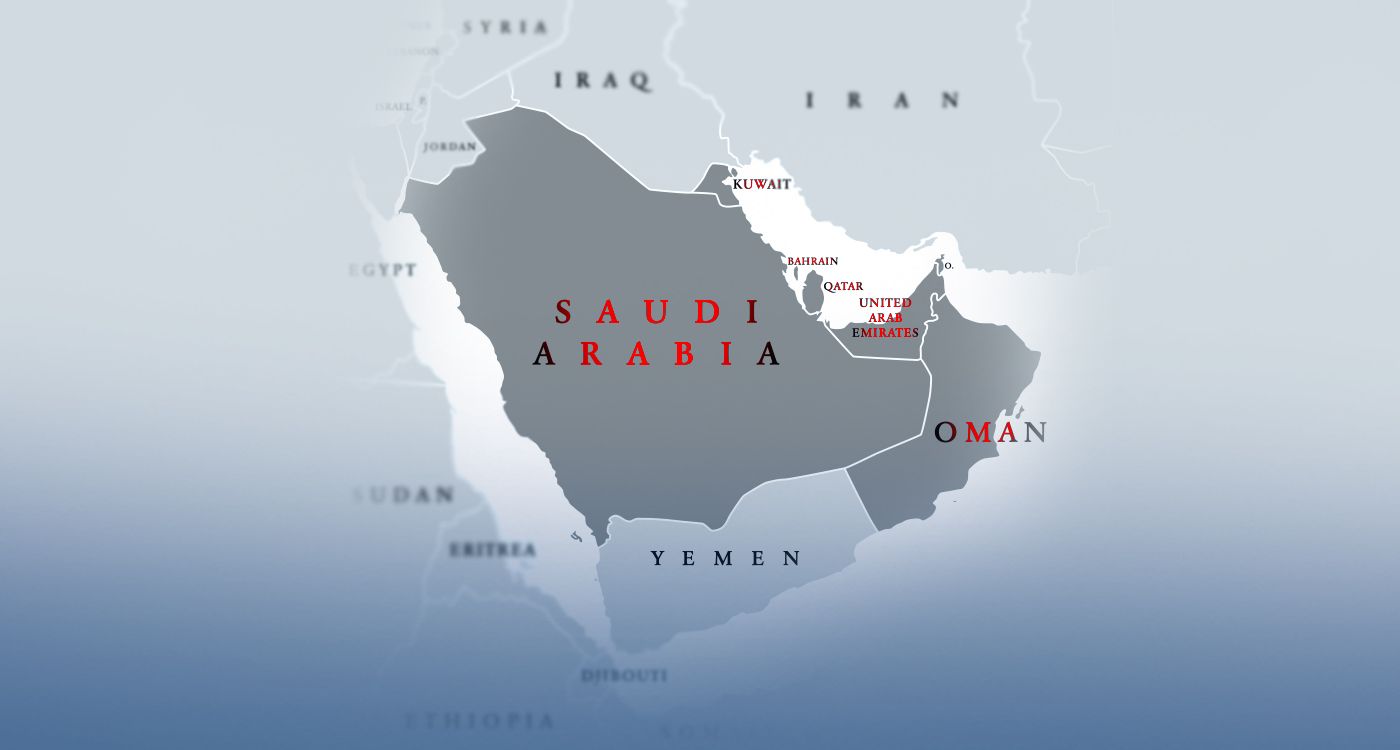
Among the wealthy Gulf Cooperation Council (GCC) states, four are running persistent annual budget deficits that are eroding their sovereign wealth reserves and plunging their finances into terminal decline, condemning their economies to stagnation.
Shockingly, the Levant nations—Lebanon, Syria, and Jordan—remain blindly chained to this sinking GCC ship, barely staying afloat. Lebanon must sever these suffocating ties immediately. The longer it clings to the Gulf states, the greater the fallout will be.
Back in the 1970s and 1980s, when it benefited from stratospheric oil prices and tiny populations, the GCC's lavish welfare model functioned like a dream. By 2026, the GCC has woken up to reality: populations have exploded while energy windfalls have plummeted, rendering the old playbook obsolete.
Gulf regimes once showered citizens with extravagant subsidies and cradle-to-grave handouts, including massive birth stipends. That gilded era is now permanently over. Slashing these entitlements threatens the fragile social contracts that have propped up these monarchies for decades, risking unrest.
Of the six GCC members, only two—Qatar and the United Arab Emirates—still post budget surpluses. Qatar, with its minuscule population of 360,000 citizens and staggering gas export riches, can spend with reckless abandon. The UAE, however, saw the writing on the wall over two decades ago and has aggressively diversified, slashing energy's share of its GDP to just 20 percent. By contrast, Saudi Arabia's lingering 40 percent dependence on petroleum and Kuwait's staggering 60 percent expose their dangerous vulnerability.
Saudi Arabia now requires $95 per barrel to balance its books. Yet in 2025, oil averaged $65–$69 per barrel, driving the kingdom’s deficit to $65 billion, or roughly five percent of its GDP. Kuwait faces a near-identical fiscal nightmare. Oman, once grappling with a ten percent deficit in 2016, has enforced reforms to claw it below two percent. Relatively resource-poor Bahrain, meanwhile, remains mired in red ink.
By late 2025, both Kuwait and Saudi Arabia resorted to desperate liquidity maneuvers. Kuwait launched a mass denaturalization drive, stripping citizenship from thousands of its own people and slashing their lavish benefits. It also scrambled to secure $7 billion in foreign loans for a pipeline project, a stark admission that the once-richest Arab state is now cash-starved. Saudi Arabia, for its part, raided its sovereign wealth fund and forced oil giant Aramco to scrape together $4 billion through a bond sale.
These frantic patches cannot hide the ugly truth that Saudi and Kuwaiti finances remain profoundly unsustainable. Regime change is an impossible outlet for public fury over harsh austerity measures. Instead, both governments have fallen back on their time-tested distraction tactic of bashing Israel to rally domestic support and deflect from local failures.
A far smarter, bolder path was available. Saudi Arabia could have slashed its bloated $78 billion defense budget and pivoted to a genuine peace dividend by building diplomatic ties across the region, including normalizing with Israel. Riyadh should have withdrawn from endless proxy wars and regional meddling, channeling all its energies into a services-driven transformation. Kuwait and Oman should have aggressively followed this economic path.
Tragically, apart from the visionary UAE, no GCC state has demonstrated the resolve for real, painful change. Their half-hearted “reforms” are little more than superficial band-aids, doomed to fail against the deep cuts of deficits, debt, and stagnation.
Meanwhile, the Levant has failed to adapt to these shifting conditions. Damascus pins its hopes on mimicking Turkey’s model in an attempt to lure Gulf money, a pipe dream doomed by Syria's chronic instability and lack of rule of law.
Lebanon has still not grasped that the era of massive Gulf handouts is dead and buried. If Iran’s theocratic regime falls, a new pro-Western government in Tehran will hoard every available dollar to repair its own shattered economy. It will shut down Hezbollah’s backdoor financing, further stressing Lebanon’s moribund economy.
Beirut must abandon its fantasies of foreign bailouts and generate revenue domestically. As regional states scramble toward services economies, Lebanon—second only to Israel—holds some of the strongest cards. Its exceptional human capital spans unskilled to highly skilled workers, and its vast diaspora commands enormous investment capital.
Lebanon could be reborn as a regional powerhouse, generating surpluses and even propping up collapsing Gulf states. But such a revival demands visionary, audacious thinking, qualities sorely lacking in a political culture obsessed with petty gossip and endless politicking.
To survive the end of the era of regional oil riches, Lebanon must undergo a radical shift in mentality. It must build an investor-friendly ecosystem that attracts its diaspora capital, not just for tourism and remittances, but for transformative projects. This strategy must be anchored in peace with Israel. Yet Lebanon remains stubbornly myopic, fixated on parochial politics as the region burns around it.
Read more


Comments