- Home
- Middle East
- U.S. Expands Pressure on Iran as Warplanes Patrol Over Hormuz
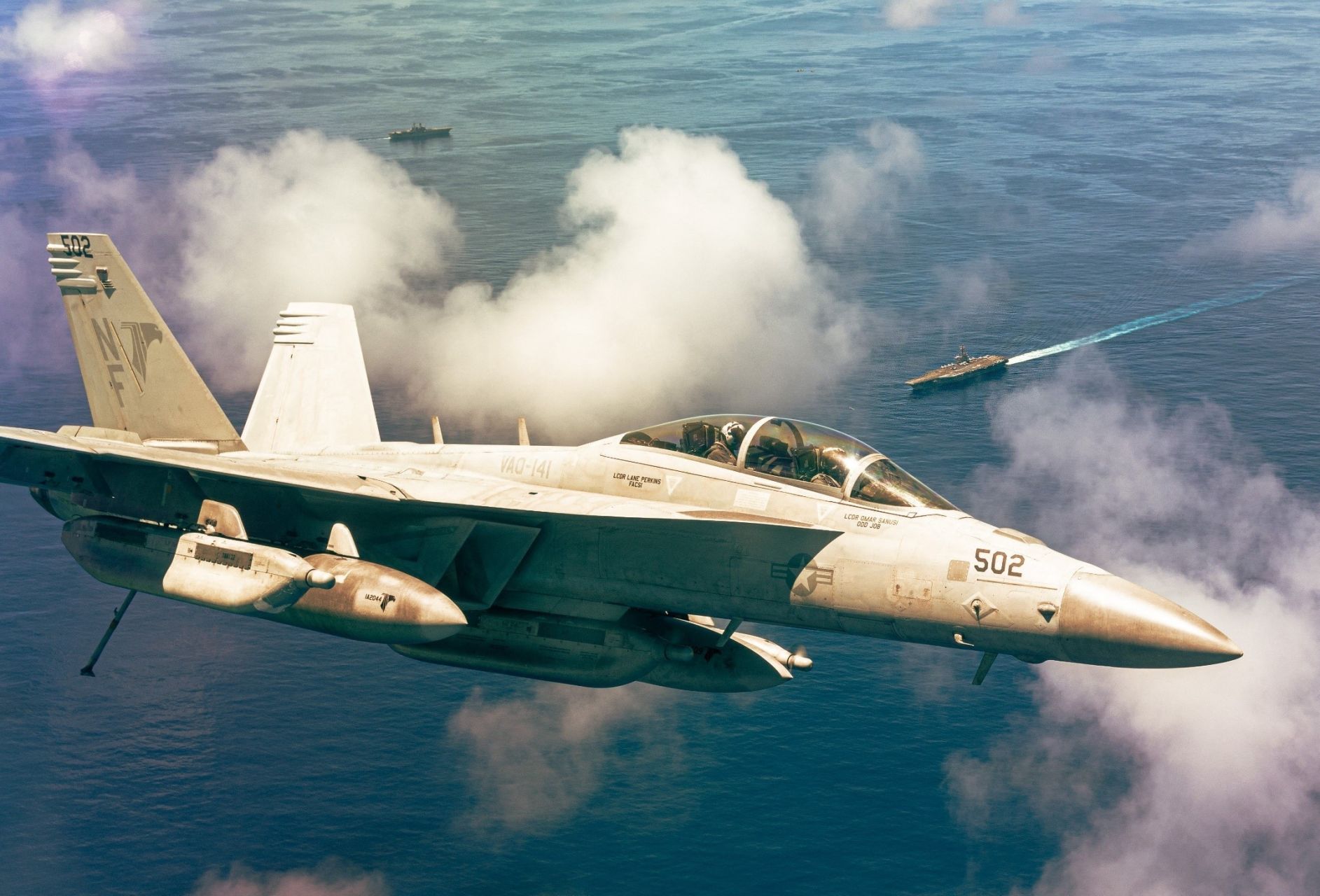
©US Central Command (CENTCOM) / AFP
The United States military announced Wednesday that it has intensified enforcement of its naval blockade on Iran, saying American forces have redirected dozens of commercial vessels and continue military patrols near the Strait of Hormuz.
In a statement, the U.S. Central Command (CENTCOM) said 67 commercial ships attempting to enter or leave Iranian ports have been redirected since the blockade began four weeks ago.
CENTCOM added that U.S. forces also allowed 15 humanitarian aid vessels to pass while “disabling” four other ships that allegedly failed to comply with blockade instructions.
The announcement marks one of the clearest indications yet that Washington is maintaining a sustained maritime pressure campaign against Tehran despite the fragile ceasefire that took effect on April 8 following weeks of direct confrontation involving the United States, Israel, and Iran.
Warning shots fired at commercial vessels
According to CENTCOM, U.S. forces earlier this week intercepted two commercial vessels after communicating with them by radio and firing warning shots from small arms.
The ships subsequently changed course, with the U.S. military stating the incident demonstrated that “American enforcement remains in full effect.”
The blockade, imposed by Washington on April 13, targets ships entering or exiting Iranian ports as part of broader U.S. pressure on Tehran following the collapse of negotiations aimed at reaching a permanent ceasefire agreement.
CENTCOM previously stated that approximately 70 tankers carrying more than 166 million barrels of Iranian oil, estimated to be worth over $13 billion, had been prevented from entering or leaving Iranian ports.
F-35 patrols near Hormuz
In a parallel show of force, the American military also confirmed that U.S. Air Force F-35A stealth fighter jets are now conducting patrols near the Strait of Hormuz.
The military noted that the aircraft is capable of carrying up to 18,000 pounds of munitions while maintaining supersonic flight capability.
The Strait of Hormuz remains at the center of the regional crisis after Iran imposed severe restrictions on maritime traffic following the outbreak of war on February 28 between Iran, on one side, and the United States and Israel, on the other.
Despite the ceasefire brokered through Pakistani mediation, tensions in the Gulf have remained high, with both sides continuing military deployments and maritime pressure operations.
U.S. Defense Secretary Pete Hegseth said Tuesday that the Pentagon has escalation plans ready “if necessary,” signaling that Washington continues to prepare for the possibility of broader confrontation with Iran.
The intensified military posture unfolds as tensions remain high around the Strait of Hormuz, where Iran has continued restricting maritime traffic while negotiations between Tehran and Washington remain stalled.
Read more

Comments