- Home
- Middle East
- Trump Weighs Military Options on Iran as U.S. Drafts Strike Plans and Hormuz Strategy
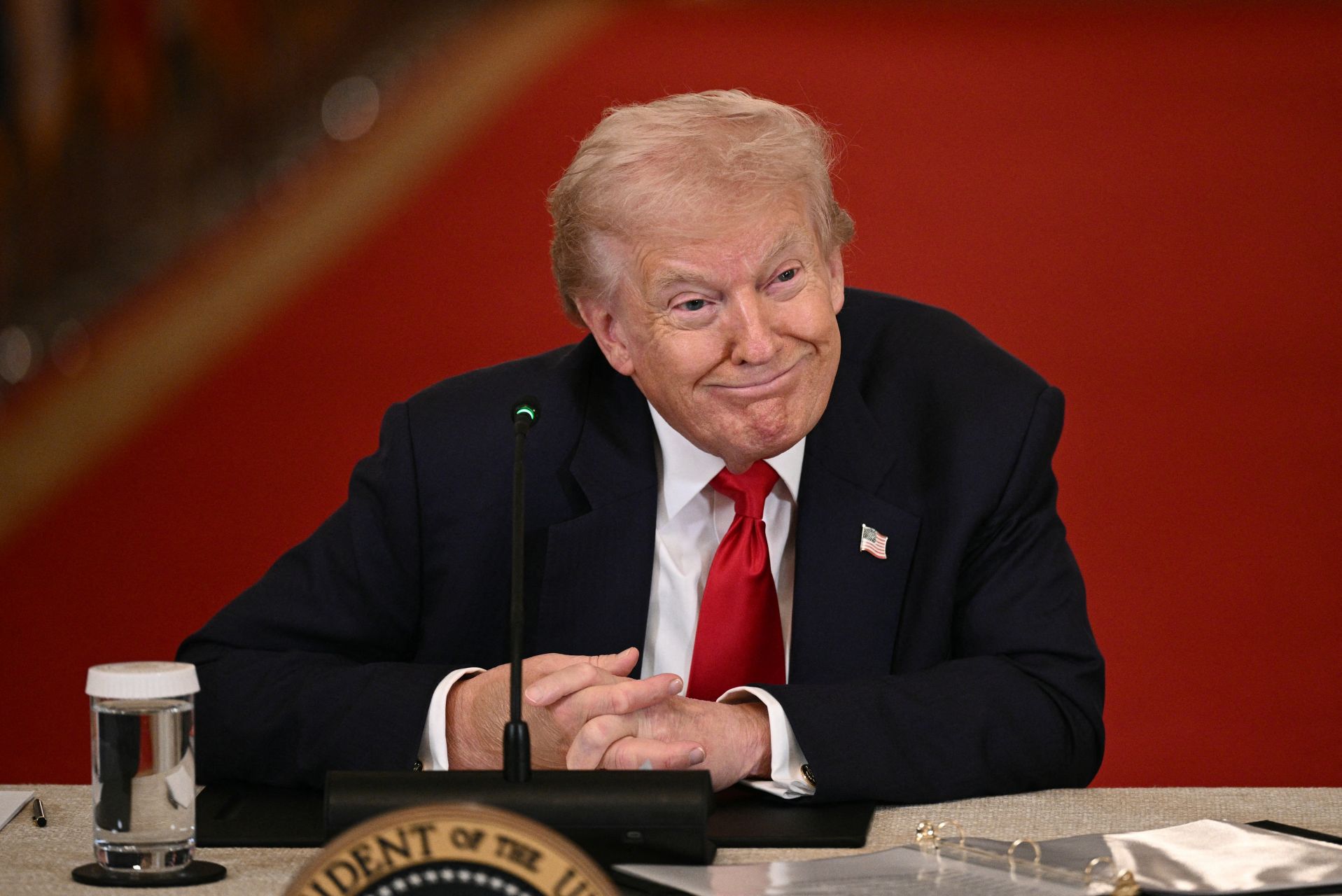
US President Donald Trump listens during a roundtable to \ ©BRENDAN SMIALOWSKI / AFP
Senior U.S. military commanders will brief President Donald Trump on Thursday on potential military action against Iran, including strike scenarios and options related to the Strait of Hormuz, a U.S. official told Reuters.
The briefing, expected at the White House, will include Central Command chief Brad Cooper, Defense Secretary Pete Hegseth, and Joint Chiefs Chairman Dan Caine and will focus on options aimed at pressuring Iran to negotiate an end to the conflict.
While the scope of the options was not disclosed, the briefing comes amid mounting pressure within the U.S. administration to push Iran toward a settlement following weeks of stalled diplomacy.
Energy and Global Impact
The Strait of Hormuz, through which roughly 20% of global oil and liquefied natural gas shipments pass, has become a central pressure point in the conflict.
Disruptions linked to the war have significantly reduced maritime traffic and driven sharp increases in global energy prices, underscoring the broader economic stakes of the standoff.
Israel Signals Readiness for Renewed Action
In parallel, Israel signaled it could resume military action against Iran if necessary. Defense Minister Israel Katz said Thursday that Israel may be forced to act again to prevent Tehran from posing a future threat.
In a statement reported by Agence France-Presse, Katz said that Trump, in coordination with Israeli Prime Minister Benjamin Netanyahu, is leading efforts to ensure Iran does not threaten Israel, the United States, or the rest of the “free world”.
“We support this effort and provide the necessary assistance,” Katz said, adding that Israel could “soon be required to act again” to achieve their objectives.
Diplomatic Pressure and Military Posture
The planned White House briefing follows testimony by senior defense officials before the U.S. Senate, where questions focused on the conflict that began on February 28 with joint U.S.-Israeli operations against Iran.
Despite ongoing mediation efforts, including through regional actors, no breakthrough has been achieved, leaving both military escalation and renewed negotiations on the table.
As tensions persist, the situation remains fluid, with global markets closely watching developments around the Strait of Hormuz and the broader U.S.-Iran standoff.
Read more

Comments