- 23
- Apr.
- 2026

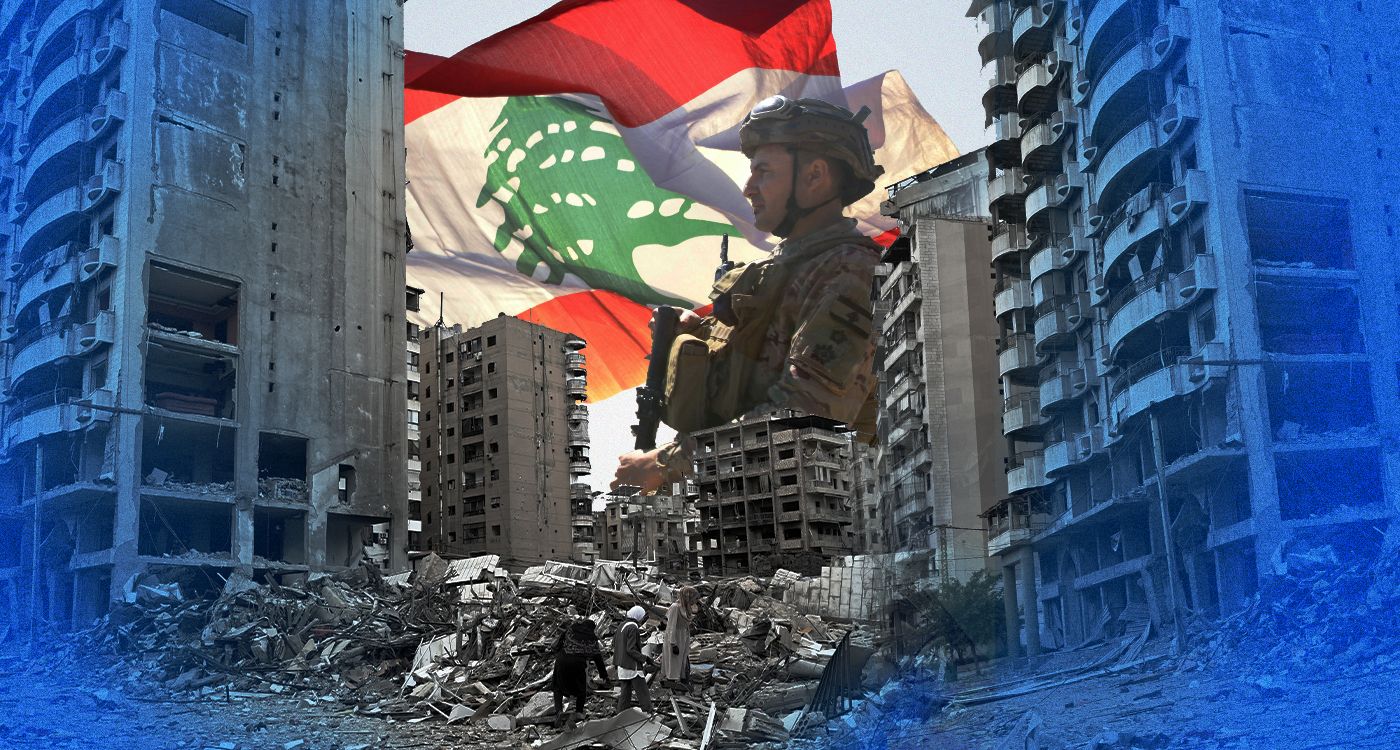
A fragile U.S.-brokered ceasefire has opened a narrow political window for Lebanon, with Parliament Speaker Nabih Berri’s stance on the talks evolving amid diplomatic contacts with Saudi Arabia. The latest came in a phone call with Saudi Foreign Minister Faisal bin Farhan Al Saud hours before a second round of talks with Israel on Thursday.
Security analyst Riad Kahwaji pointed to Berri’s flexibility as a power broker maneuvering between his ally Hezbollah and Lebanon’s top leaders. “He can play several roles,” Kahwaji said, noting Berri’s influence within the Shia community and his apparent effort to differentiate himself from Hezbollah.
“He supports the government, rejects destabilizing the country, but still says he opposes direct negotiations with Israel,” Kahwaji told This is Beirut. He explained that Berri’s rhetoric shifts depending on his audience, whether the Shia community in Lebanon or the international community.
This balancing act reflects deeper divergences, he added. “Berri’s assessment is different from Hezbollah’s. He sees the scale of destruction—more than 20 villages flattened—and understands that if the war resumes, more will be destroyed.”
Political analyst Jad Akhawi said Berri’s recent move to send MP Ali Hassan Khalil to Riyadh reflects these shifting dynamics. “Berri is trying to find a role for himself,” he said, adding that “the U.S. is already talking to Iran about Hezbollah and to the Lebanese government separately.”
Akhawi also pointed to growing U.S. pressure. “It is being reported that the Americans threatened Berri because he is not taking a clear position. The gray area is no longer tolerated—it should be black or white,” he said.
Israel’s strikes targeting members of Berri’s Amal Movement, including one near the speaker’s residence in Beirut’s Ain al-Tineh area, may have carried a political message, according to Akhawi. At the same time, he said Saudi Arabia may view Berri as a key interlocutor within the Shia community.
Despite Berri’s public ambiguity, Akhawi believes the speaker is aligning with the Lebanese state. “He is implicitly going along with the government’s decision to hold direct negotiations with Israel. He has no other choice,” he said.
“The carpet has been pulled from under Hezbollah and Iran. The talks in Washington went ahead despite their opposition. Things have to move,” Akhawi added.
The shifting dynamics have also drawn criticism from Iran, where officials have called on Berri to clarify his stance. The response from Berri’s Amal Movement was swift. “Berri does not need lessons from anyone,” a senior Amal figure said.
The ceasefire itself reflects a broader realignment. Saudi Arabia’s renewed engagement—following talks between Saudi Foreign Minister Faisal bin Farhan and his Iranian counterpart Abbas Araghchi—has reportedly been instrumental in pushing toward de-escalation. Khalil’s visit to Riyadh was part of this coordinated effort.
Lebanese officials have sought to contain the impact of Hezbollah’s rejection of direct talks. “The refusal does not necessarily mean obstruction,” a Lebanese senior official told Nidaa al-Watan, pointing to Berri’s “full political backing” of the process.
Saudi Arabia is now reportedly counting on the Amal Movement leader to help defuse tensions and prevent unrest from spiraling as Lebanon prepares for a possible next round of negotiations, the official added.
Still, the path forward remains uncertain. Kahwaji said much depends on expectations in Washington, particularly those of U.S. President Donald Trump. “We don’t know what impression Trump is under. Does he believe the Lebanese government has the ability to stop Hezbollah?” he said.
“If that is the case, then Lebanon may have been given a limited window—perhaps 10 days—to deliver,” Kahwaji added.
“The ceasefire could be seen as an opportunity extended to President Joseph Aoun. But this puts him in a fix. He needs to prove he can control Hezbollah and prevent further attacks. Otherwise, negotiations will stall—and it could make Trump furious,” Kahwaji argued.
With a narrow ceasefire window and rising international expectations, Lebanon now faces a critical test of whether it can translate this fragile pause into a sustainable political process or risk seeing the opportunity slip amid renewed pressure.



Comments