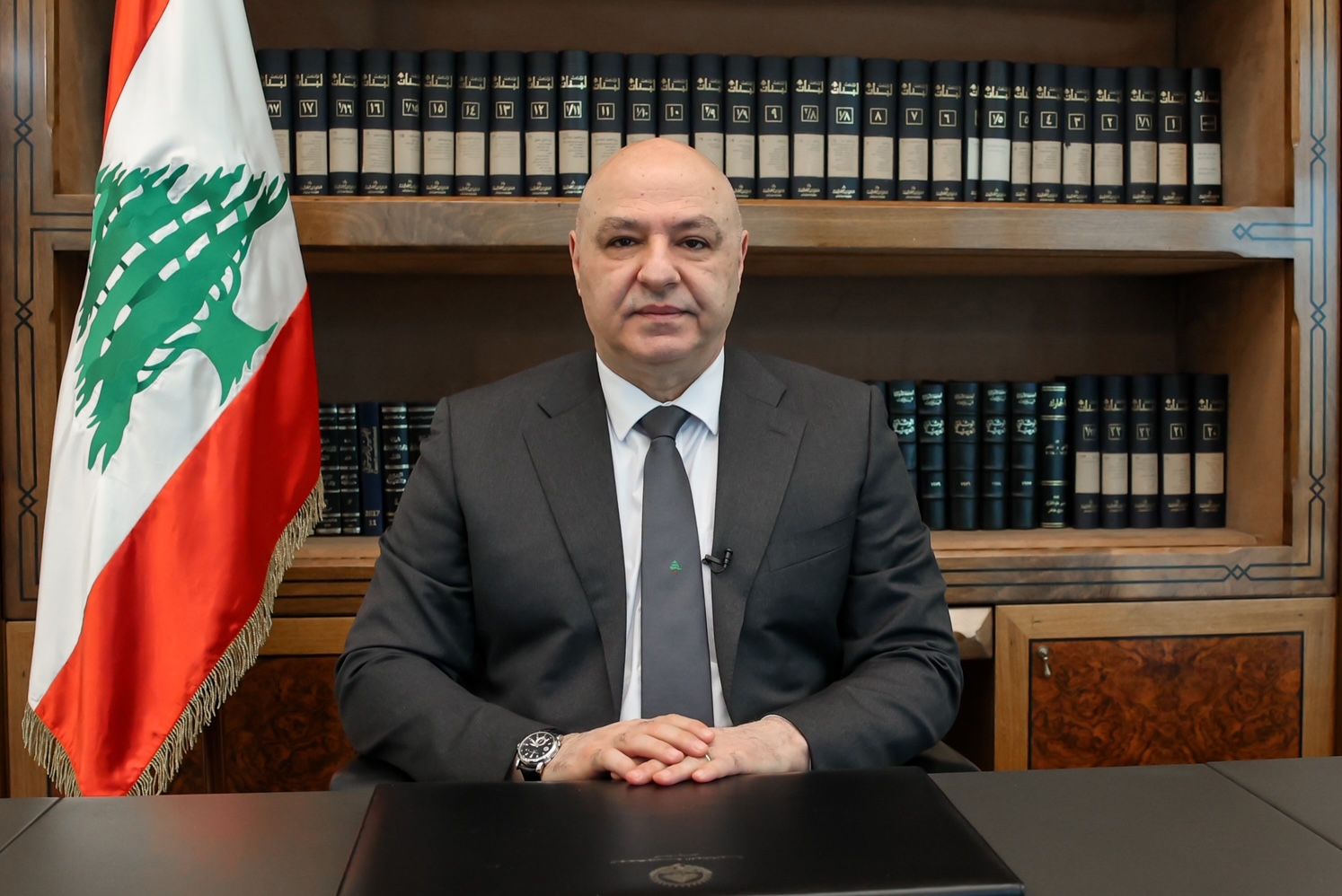
Lebanese President Joseph Aoun on Thursday expressed hope of traveling to Washington to meet U.S. President Donald Trump as Beirut intensifies diplomatic efforts to extend the fragile ceasefire between Hezbollah and Israel and launch formal negotiations to end hostilities with Israel.
The statement came at the close of a Lebanese cabinet session on Thursday, where Information Minister Paul Morcos relayed Aoun’s remarks, underscoring a renewed diplomatic push ahead of a second round of U.S.-mediated talks between Lebanese and Israeli officials in Washington later in the day.
No contact with Netanyahu
Aoun denied any direct communication with Israeli Prime Minister Benjamin Netanyahu, dismissing circulating reports as inaccurate.
“The president confirmed that any contact with the Israeli prime minister was not at all under consideration,” Morcos said, adding that Aoun remains focused on pursuing “any path” that could bring an end to the war in Lebanon.
The clarification comes amid heightened speculation following the unprecedented direct contacts between Lebanese and Israeli representatives, the first of their kind in decades, held earlier this week in Washington.
Push to extend ceasefire
According to the presidency, ongoing diplomatic contacts, including with Trump and U.S. Secretary of State Marco Rubio, have centered on extending the current ceasefire and transitioning toward a broader negotiation framework.
Aoun told ministers that discussions so far have focused on several key points: achieving a sustained ceasefire, launching negotiations to formally end the state of war with Israel, securing Israeli withdrawal from Lebanese territory, ensuring the return of detainees, deploying the Lebanese Army along the international border, and addressing outstanding disputes along the Blue Line.
A new meeting scheduled in Washington later Thursday is expected to focus on the disarmament of Iran-backed Hezbollah, with Lebanon pushing for guarantees, including halting strikes on civilians, homes, places of worship, journalists, and medical and educational sectors.
Lebanon back on the U.S. agenda
Aoun described renewed U.S. engagement as a “positive development,” noting that Lebanon’s file has returned to the highest levels of decision-making in Washington.
“For the first time, Lebanon is back on the U.S. table, specifically at the level of the Secretary of State, who also serves as National Security Advisor,” Aoun said.
He added that, if progress continues, this could open the door to economic recovery and reconstruction efforts, signaling that diplomacy is increasingly tied to Lebanon’s broader financial and institutional crisis.
The president also revealed his intention to seek a face-to-face meeting with Trump, arguing that a phone call would not be sufficient to convey the full scope of Lebanon’s situation.
“Any means” to end the war
In remarks reflecting growing public fatigue, Aoun said he remains committed to ending the conflict by all available means.
“I am responsible toward my country and my people, and I will adopt any means necessary to end the war and destruction,” he said, referencing meetings with Lebanese citizens, including families of security personnel killed in recent fighting.
“They are tired and want an end to wars that lead nowhere and do not achieve lasting stability.”
The statements come just hours before a new round of U.S.-mediated discussions in Washington, following a historic first meeting between Lebanese and Israeli officials, the highest-level direct contact between the two sides since 1993.
Foreign Minister Raggi says “No shame in negotiating with Israel”
Lebanese Foreign Minister Youssef Raggi also said on Thursday that Lebanon can no longer endure wars fought on its soil “on behalf of others,” in a pointed criticism of Hezbollah’s role in the conflict.
In remarks published following an interview with Asharq Al-Awsat, Raggi stressed that “there is no shame in negotiating with Israel” if the objective is to end the war, recover occupied territory, and secure a lasting peace.
He also underlined that decision-making must rest solely with the Lebanese state, warning against external influence over national sovereignty.



Comments