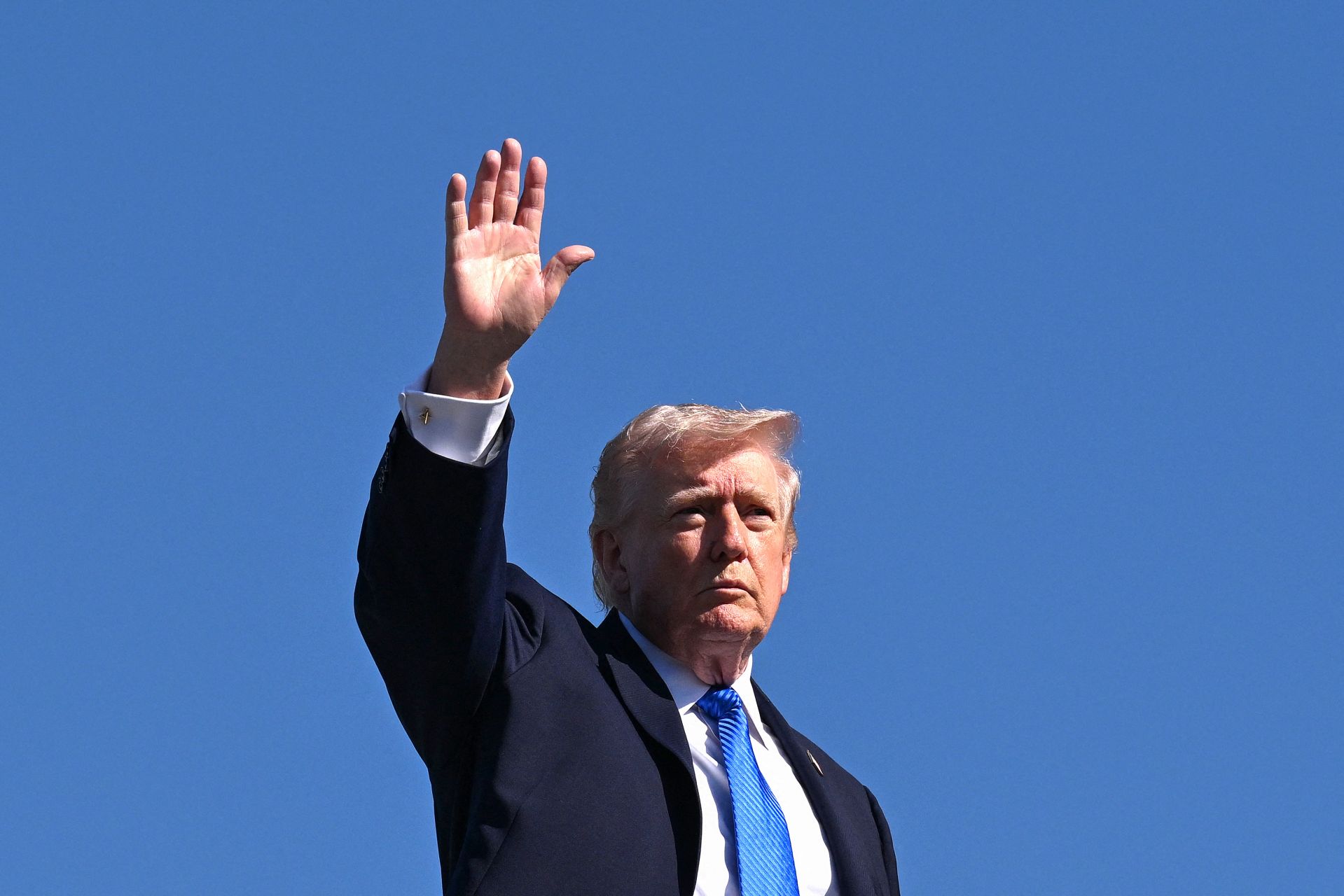
U.S. President Donald Trump announced Thursday that Israel and Lebanon have agreed to a 10-day ceasefire, set to take effect at 5 p.m. EST, following what he described as “excellent conversations” with Lebanese President Joseph Aoun and Israeli Prime Minister Benjamin Netanyahu.
According to Trump, both leaders agreed the temporary halt in hostilities would serve as a first step toward broader efforts to “achieve peace” between the two sides. He said he has tasked Vice President JD Vance, Secretary of State Marco Rubio, and Chairman of the Joint Chiefs of Staff Dan Caine with coordinating directly with Israeli and Lebanese counterparts to translate the ceasefire into a longer-term arrangement.
Framing the move within a broader diplomatic push, Trump added that he views the agreement as part of his record of conflict resolution efforts, calling it a potential milestone toward what he described would be his “10th” resolved war.
In his first remarks following the announcement, Netanyahu said Israel sees “an opportunity to reach a historic peace agreement with Lebanon,” while emphasizing that any deal hinges on the dismantling of Hezbollah. He added that Israel would not withdraw to the international border, confirming the establishment of a 10-kilometer-deep security buffer zone inside southern Lebanon and describing the ceasefire as a limited window to advance talks already underway in Washington.
Lebanon’s Prime Minister Nawaf Salam quickly welcomed the announcement, describing the ceasefire as a core Lebanese objective since the outbreak of hostilities. He indicated that securing a halt to fighting had been a central priority for Beirut, including during recent diplomatic engagements in Washington, reinforcing that the deal aligns closely with Lebanon’s stated position throughout the conflict.
Rare Washington Meeting Leads to Diplomatic Opening
The announcement by Trump follows a rare diplomatic breakthrough earlier this week, when Israeli and Lebanese officials met in Washington for the first time in 34 years. The talks, hosted at the State Department, brought together the respective ambassadors under the auspices of Secretary Rubio, marking a highly unusual moment of direct engagement between two countries that remain technically at war.
The meeting, which took place on Tuesday, signaled a shift in tone after months of escalating cross-border exchanges between Israel and Hezbollah along the southern Lebanon front. Lebanese officials had entered the talks with a clear priority of pushing for an immediate ceasefire, a goal that now appears to have been realized in part through Thursday’s announcement. While no formal agreement emerged at the time, the encounter laid the groundwork for renewed U.S.-mediated diplomacy.
Together, the Washington meeting and the ceasefire suggest a tentative opening for lasting de-escalation, though the durability of the arrangement will likely depend on whether both sides can translate a short-term pause into sustained political and security commitments.



Comments