- Home
- Middle East
- Israel Prepares for Rapid Return to War with Iran as Talks Collapse
©Al-Markazia
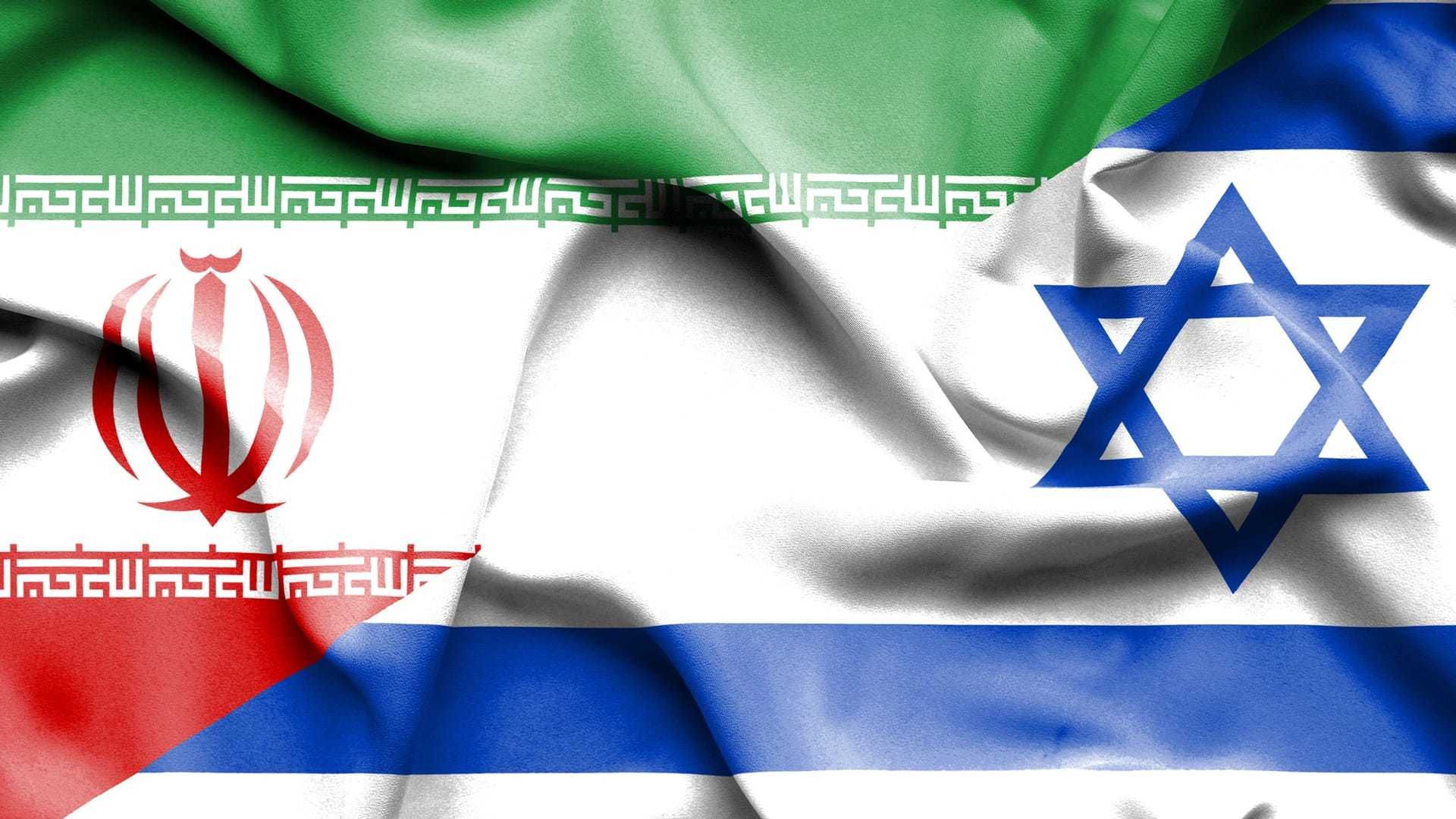
The Israeli military has moved to an unprecedented level of combat readiness amid growing expectations that the war with Iran could resume within days, following the collapse of U.S.-Iran negotiations in Pakistan.
According to Israeli media reports citing military sources, Chief of Staff Eyal Zamir has ordered a sweeping escalation in operational preparedness across all branches of the armed forces, placing the military in a structured wartime posture similar to that seen prior to previous deep-strike operations inside Iran.
The move reflects mounting concern within Israel’s security establishment that the current ceasefire may not hold, particularly as diplomatic efforts between Washington and Tehran failed to produce a lasting agreement in Islamabad this weekend.
Accelerated Target Bank and Strike Readiness
At the core of Israel’s preparations is an accelerated effort by military intelligence to expand and refine what officials describe as a “target bank” inside Iran.
This database reportedly prioritizes high-value military infrastructure, including missile systems, launch platforms, and logistical networks supporting Iran’s strike capabilities. The goal is to ensure immediate operational flexibility, allowing Israeli forces to launch precise, large-scale strikes without extended preparation once a political decision is made.
Simultaneously, the Israeli Air Force, in coordination with operational command units, is finalizing updated offensive plans designed for sustained, long-range missions deep into Iranian territory.
These plans are said to combine precision targeting, operational continuity, and rapid deployment, enabling complex, multi-phase attacks that could be executed within a compressed timeframe.
Training for First-Strike Scenarios
Military units are also conducting intensive drills focused on “opening strike” scenarios—the initial phase of any renewed conflict—with emphasis on reducing response times and closing operational gaps.
Sources indicate that Israel is preparing for a rapid transition from planning to execution, suggesting that any escalation could unfold with little warning.
This level of readiness underscores a strategic shift toward preemptive capability, where speed and precision are prioritized over prolonged mobilization.
Ceasefire Under Strain
The military escalation comes as diplomatic momentum falters. Talks between U.S. and Iranian officials, led by Vice President JD Vance and Parliament Speaker Mohammad Bagher Ghalibaf, ended without agreement in Islamabad, leaving key disputes unresolved.
The breakdown has reinforced Israeli assessments that a renewed confrontation is increasingly likely, particularly as core issues, including Iran’s missile capabilities and regional posture, remain unchanged.
Read more


Comments