- 02
- Apr.
- 2026

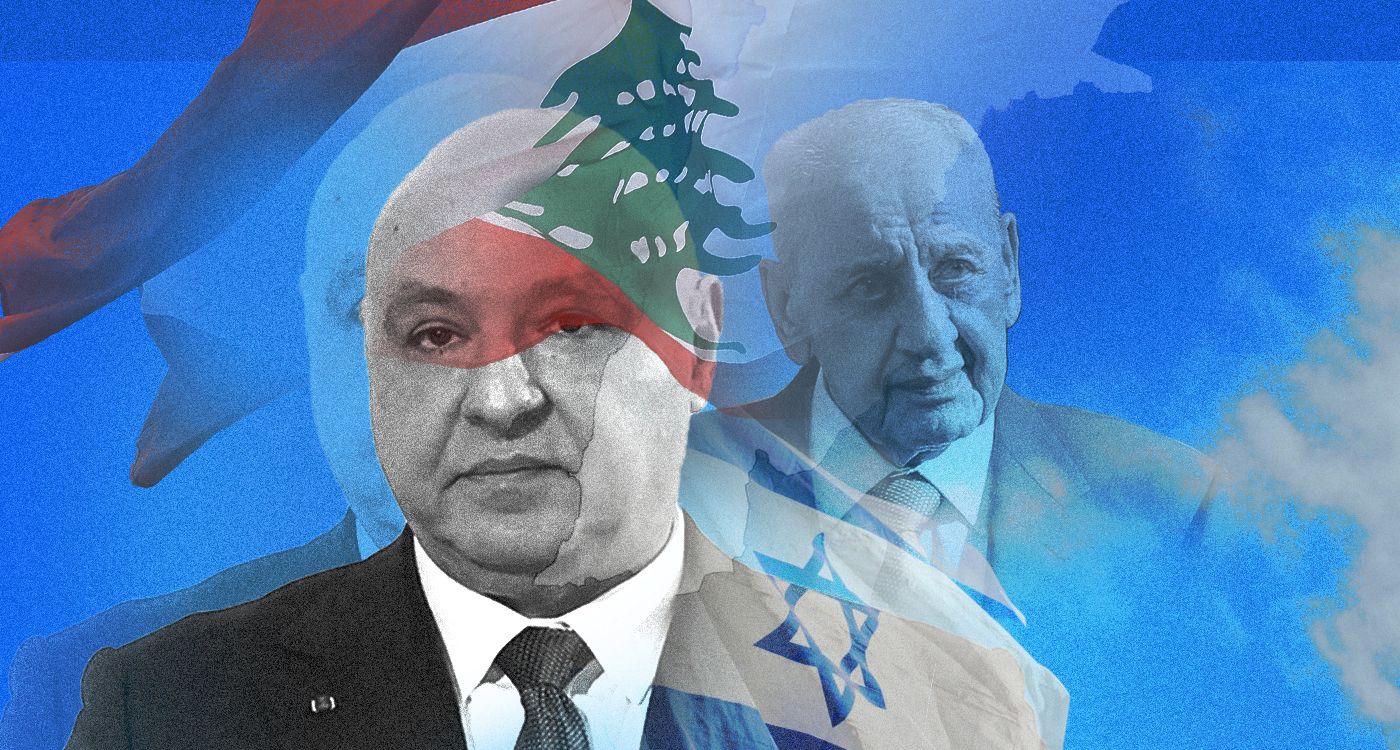
As the U.S. signals readiness for a negotiated settlement to the regional war with Iran, a key question is resurfacing: could a broader diplomatic reset in the region revive the prospect of talks between Lebanon and Israel?
Since Hezbollah plunged Lebanon into war with Israel on March 2, Beirut has reiterated its willingness to enter direct talks with Jerusalem. Lebanese officials have begun exploring a potential negotiating framework, although a political logjam has so far blocked efforts to form a diplomatic delegation.
Israel, for its part, remains deeply skeptical of Beirut’s willingness and capacity to disarm Hezbollah. It has pressed ahead with its military campaign, launching a ground invasion into Lebanon that it says aims to hold territory until the militia is no longer a threat.
This is Beirut spoke with experts on the prospects for talks between Lebanon and Israel, who emphasized that any diplomatic breakthrough depends on overcoming significant challenges, chief among them Hezbollah’s military role in the country.
Can Lebanon Negotiate?
Lebanon’s pathway to opening negotiations with Israel depends on the scope of the talks as well as on domestic political hurdles. If Beirut’s objective is limited to a ceasefire, it faces immediate structural limitations, Parliamentarian Salim al-Sayegh told This is Beirut.
The Lebanese state cannot guarantee the implementation of a ceasefire as long as Hezbollah operates militarily outside state authority, he noted, explaining this is why Israel has turned a cold shoulder to Lebanon’s entreaties.
The picture changes, however, if negotiations are framed as part of a broader political settlement. This could potentially revive long-standing frameworks such as “land for peace” and address issues related to border delimitation, Sayegh said.
Such an effort faces steep institutional hurdles in Lebanon. While a ceasefire could be approved through standard government procedures, a broader political settlement would likely require a two-thirds majority in both government and parliament. This threshold appears unlikely under current political conditions.
As long as Parliament Speaker Nabih Berri remains aligned with Hezbollah, the Lebanese state lacks leverage to shift the group’s stance, Sayegh said. In practical terms, this limits Beirut’s ability to present a unified negotiating front.
Berri has so far politically blocked Aoun’s attempts to form a delegation for potential talks with Israel. However, Lebanon’s president does not constitutionally require the approval of the country’s chronically divided political actors, a former Lebanese ambassador told This Is Beirut.
Part of the confusion, he said, stems from foreign initiatives such as the recent French proposal for Lebanon’s delegation to reflect the country’s sectarian balance. While politically significant, he said, such arrangements are not legally binding.
Actions, Not Words
Lebanon’s credibility to address Israel’s security concerns and Hezbollah poses a key stumbling block for any potential diplomatic breakthrough. It must demonstrate that any potential agreement would succeed where previous ceasefire arrangements have failed.
“Beirut has to show through actions, not words, that it will fulfill whatever commitments it makes,” Robert Satloff, Segal Executive Director of The Washington Institute for Near East Peace, said.
As such, the Lebanese Armed Forces’ (LAF) ability to address Hezbollah’s arsenal plays a critical role. Sayegh noted that while the LAF has demonstrated technical competence in the past—most notably during maritime border negotiations—its credibility now hinges on impartial enforcement of the state’s monopoly on arms.
On March 2, Lebanon’s government banned Hezbollah’s military and security activities and ordered the disarmament of the group. The LAF, however, has balked at confronting Hezbollah, citing concerns over domestic stability. Meanwhile, the Israeli military said on March 27 that if Lebanon does not disarm Hezbollah, it would.
Lebanon seeks to deescalate the conflict through negotiations, but Israel appears determined to talk only from a position of military strength against Hezbollah. Israeli leaders are unlikely to participate in talks before delivering a decisive military blow to the group, according to Sayegh.
This view is echoed by the former Lebanese ambassador, who argues that Israel believes it has already given Lebanon sufficient time to address Hezbollah. Instead, it is focused on strengthening its position through continued military operations, boosting its leverage for any eventual talks.
Talks between Lebanon and Israel cannot realistically take place without mediation by the U.S. Yet, the U.S. is unlikely to step in as a mediator unless Lebanon can credibly demonstrate progress on disarming Hezbollah, according to Satloff.
If Lebanon can meet these conditions, Satloff said, negotiations could evolve beyond immediate security arrangements, potentially paving the way for a future peace agreement.
What Happens Next?
Several pathways lie ahead for Lebanon. In the most optimistic scenario, shifting dynamics on the ground could create conditions for renewed U.S. engagement and the launch of structured negotiations between Lebanon and Israel.
If talks materialize, they will likely unfold in stages, beginning with immediate priorities such as ceasefire arrangements and border security, before expanding to broader discussions on economic cooperation and long-term stability, the former diplomat said.
He explained the negotiations would require a Lebanese delegation composed not only of diplomats, but also military officers, economists, and technical experts capable of addressing both security and economic dimensions.
Ultimately though, any diplomatic breakthrough hinges on the Lebanese state’s ability to turn political intent regarding Hezbollah’s arms into tangible action. Until then, the most likely outcome is a prolonged stalemate, with Lebanon expressing openness to diplomacy but struggling to meet conditions set by Israel and the U.S.


Comments