- Home
- Middle East
- Power Outages Hit Tehran After Strikes on Energy Infrastructure
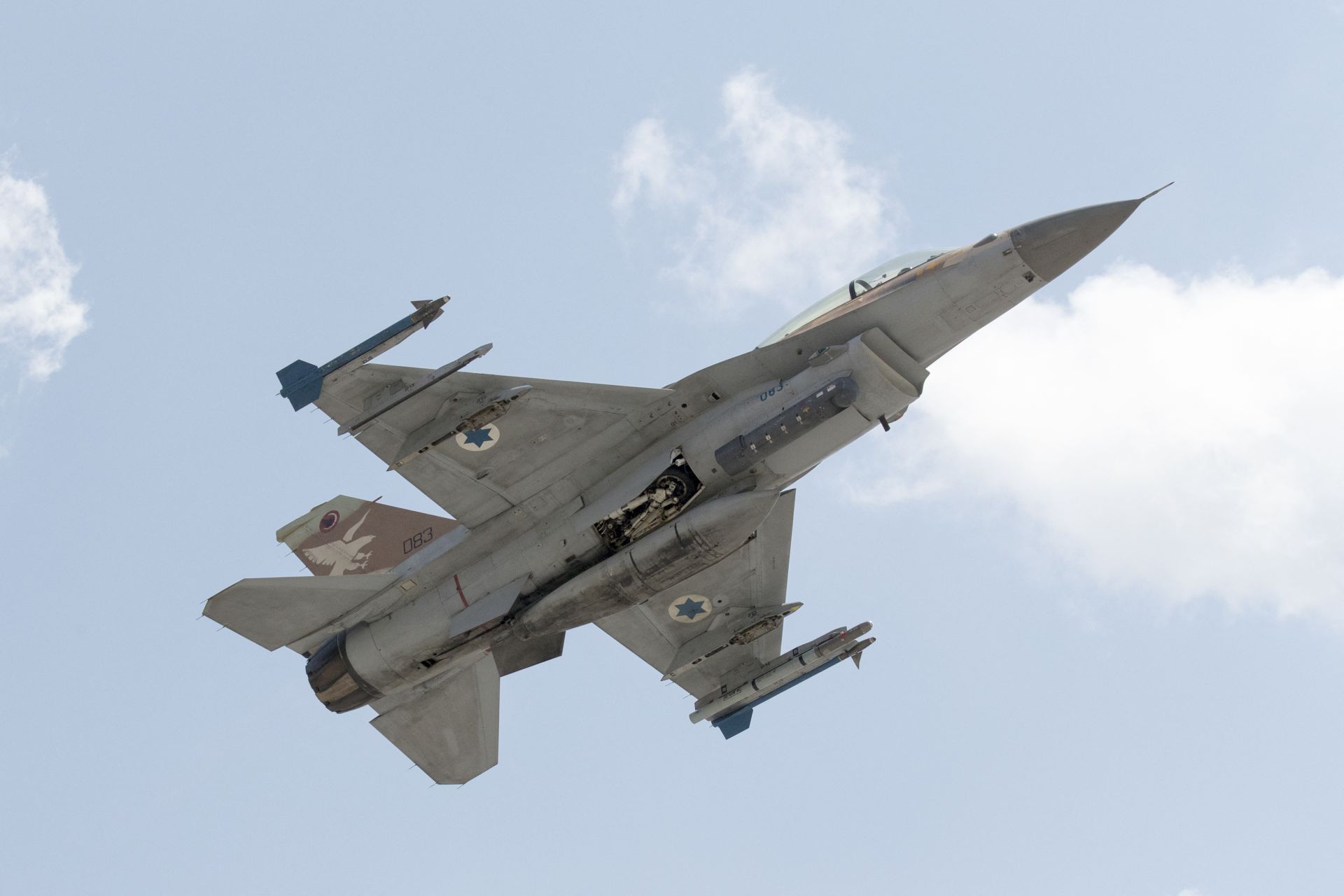
A picture taken on June 28, 2016 shows an Israeli Air Force F-16 D fighter jet taking off at the Ramat David Air Force Base located in the Jezreel Valley, southeast of the Israeli port city of Haifa. © Jack Guez / AFP
Parts of Tehran and the neighboring Alborz Province were plunged into temporary darkness on Sunday night after strikes damaged elements of the local electricity grid, according to Iranian state media and international reports. The disruptions followed a new wave of airstrikes attributed to the Israel Defense Forces (IDF), targeting areas in and around the Iranian capital, as reported by The Times of Israel.
Shrapnel from the attacks struck infrastructure in Alborz Province, causing power cuts in several districts of Tehran as well as in the nearby city of Karaj, according to the same report. The outages appeared to be localized, with authorities moving quickly to assess the damage and initiate repairs. Electricity was restored to some areas later the same night, while efforts continued to bring the remaining affected zones back online.
Power Grid “Stable” After Attacks
Iranian officials sought to reassure the public, emphasizing that the broader national grid remained stable despite the incident. Speaking to state television, Deputy Energy Minister Mostafa Rajabi-Mashhadi said the damage had briefly affected supply in Tehran and Alborz but that the situation had been brought under control. By Monday, he added, electricity had been restored in the impacted areas and the network was functioning normally.
The strikes come amid an ongoing conflict involving Iran, Israel, and the United States, which began in late February with a large-scale bombing campaign targeting Iranian military capabilities and strategic infrastructure. Since then, the region has seen escalating exchanges, including missile and drone attacks launched by Iran in response.
While the blackout was short-lived, the incident highlights the vulnerability of critical infrastructure during periods of intensified military activity. It also underscores the broader risks faced by civilian populations as hostilities continue, even when such facilities are not the primary targets of military operations.
AFP
Read more



Comments