- Home
- Middle East
- Saudi Arabia Weighs Its Position as Houthis Enter the Fray
- 28
- Mar
- 2026


©This is Beirut
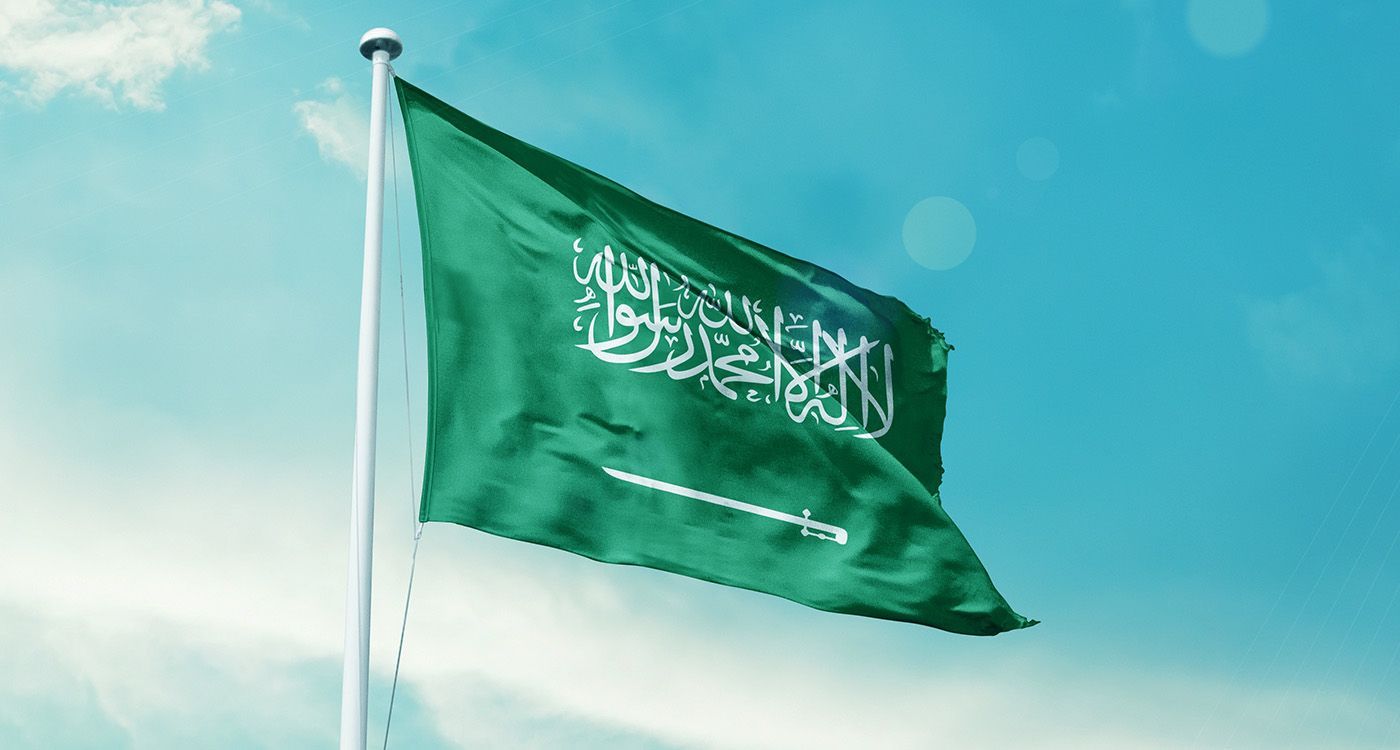
For nearly a month, Saudi Arabia has absorbed sustained waves of Iranian missile and drone attacks on its cities and critical energy infrastructure, while maintaining a posture of calculated restraint.
This comes as Yemen’s Iran-backed Houthi movement launched its first missile toward Israel on Saturday since the start of the war, signaling a potential widening of the conflict. A senior Houthi figure told Reuters the group is “fully militarily ready with all options.”
Tehran has threatened to open a new front in the Red Sea, around the strategic Bab al-Mandeb Strait, raising the stakes for Riyadh and potentially forcing the kingdom to consider changing its policy from one of defensive endurance to active engagement.
An Iranian official warned this week that the Red Sea could become a new theater of operations if the United States launches a ground offensive, signaling a possible escalation that would directly threaten Saudi Arabia’s last viable export route for crude oil.
Gulf officials, including GCC Secretary General Jassim Al-Budaiwi, have underscored that despite exercising significant restraint, Gulf states have been the primary targets of Iranian attacks. Should the Gulf respond, the regional impacts could be catastrophic.
Gulf States Eye Coalition to Secure Hormuz
Security analyst Riad Kahwaji told This is Beirut that Gulf states, including Saudi Arabia, are primarily driven by the need to protect critical maritime routes rather than directly enter the war.
“Saudi Arabia, like all the Gulf countries, relies heavily on imports and exports by sea. Any disruption to maritime activity, particularly in the Strait of Hormuz, would directly impact its national security,” he said.
Kahwaji noted that while the kingdom has come under repeated attack, its response so far has remained defensive. “Saudi Arabia has been practicing self-defense, like other countries, but it has not carried out offensive measures,” he explained.
He added that discussions are now underway about Riyadh potentially joining a broader international coalition aimed at securing key shipping lanes.
“They are not going to be part of the American-Israeli war on Iran,” he said. “However, they could be part of a coalition tasked with securing the Strait of Hormuz.”
“In that context,” he suggested, the scope of Saudi military action could evolve, and, “they could carry out offensive operations against Iran,” emphasizing that such actions would be strictly tied to maritime security.
Saudi Airpower and Risks
From a military perspective, Saudi Arabia’s entry would mark a significant escalation, though not necessarily a decisive turning point.
A former commander of the Lebanese Air Force, speaking on condition of anonymity, said Saudi involvement would carry both operational and political weight.
“Any support on the air force level is a plus,” he said, pointing to the kingdom’s advanced fleet of F-15s and Eurofighter Typhoons capable of conducting precision strikes.
“The added value is that it brings more aircraft to the operation,” he added, noting that increased air capacity would ease pressure on U.S. and Israeli forces by expanding operational flexibility and reducing strain on existing pilots.
However, he cautioned against overstating its impact. “It would not be decisive,” he said, emphasizing that U.S. and Israeli forces have already inflicted substantial damage on Iranian capabilities.
Operationally, Saudi participation would likely be closely coordinated with Washington.
“An airstrike is a team effort between strike, refueling, and electronic warfare aircraft,” he explained, highlighting the complexity of any sustained campaign over Iranian territory.
Saudi entry would almost certainly trigger immediate Iranian retaliation. The former commander warned that Saudi airbases could become direct targets.
In parallel, Saudi operations over Iran would be significantly more complex than previous campaigns against the Iran-backed Houthis due to Tehran’s more advanced air defense systems.
Read more

Comments