- Home
- Middle East
- Reports of Ghalibaf–Trump Channel Trigger Political Turmoil in Tehran
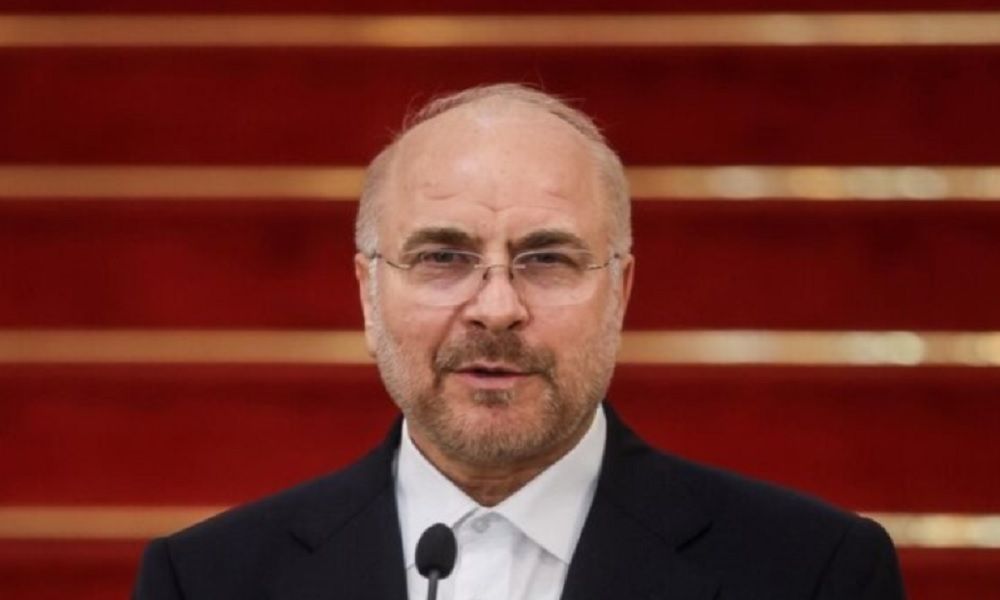
Iran's Parliament Speaker Mohammad-Bagher Ghalibaf ©Al-Markazia
Reports suggesting potential backchannel contacts between U.S. officials and Iran’s parliament speaker Mohammad-Bagher Ghalibaf have ignited a political storm in Tehran, exposing deep sensitivities within Iran’s leadership as the war continues.
The controversy followed remarks by former U.S. President Donald Trump and subsequent reports by Western and Israeli media indicating that some figures in Washington view Ghalibaf as a possible “pragmatic partner” for future negotiations. While no formal channel has been confirmed, even the suggestion of such engagement has proven destabilizing within Iran’s political system.
A Highly Sensitive Political Signal
In Iran’s power structure, any indication that a senior official may be engaging, directly or indirectly, with Washington carries significant risks.
The idea that a sitting parliament speaker could be involved in diplomatic outreach outside established channels challenges core principles of the Islamic Republic, where foreign policy is tightly controlled and closely tied to the supreme leadership and security apparatus.
As a result, the reports have triggered swift and coordinated pushback.
IRGC-Linked Media Dismiss “Psychological Warfare”
Media outlets affiliated with Iran’s Revolutionary Guards have strongly rejected the claims, describing them as part of a broader information campaign.
Fars News Agency labeled the reports a “psychological operation” aimed at undermining Ghalibaf, potentially exposing him to internal or external threats, and fueling divisions within the country.
Tasnim News Agency echoed this view, arguing that the narrative was designed to create the perception of internal fractures and distract from the ongoing war effort.
Political Figures Warn of Internal Destabilization
Concerns about the political impact of the reports have extended beyond hardline circles.
Former officials, including ex-communications minister Mohammad-Javad Azari-Jahromi, warned that the narrative surrounding Ghalibaf could be intended to sow division within both the political leadership and military structures.
Similarly, former presidential adviser Hesameddin Ashena described the amplification of such claims as contributing to “character assassination,” reflecting fears that internal cohesion could be weakened at a critical moment.
Indirect Channels But No Direct Talks
Iranian officials have acknowledged that indirect communications with Washington are ongoing through intermediaries such as Turkey, Egypt, and Pakistan, aimed at de-escalating tensions.
However, they have firmly denied any direct negotiations or unauthorized diplomatic initiatives.
Tehran has also reiterated its core conditions for any potential talks, including recognition of what it describes as aggression against its territory and demands for reparations, conditions that U.S. officials have not accepted.
War, Diplomacy, and Information Warfare
The timing of the controversy underscores the complex interplay between military escalation, diplomacy, and information campaigns.
As reports suggest possible talks in regional capitals involving senior U.S. figures, the spread of speculation around Ghalibaf highlights how narratives themselves have become part of the conflict.
On social media, particularly among Iranians abroad, the issue has fueled suspicion, with some interpreting the reports as evidence of internal divisions or hidden negotiations, despite a lack of confirmed evidence.
Read more



Comments