- Home
- Middle East
- Temporary Immunity, Ongoing Strikes: Inside the Parallel Tracks of War and Diplomacy in Iran
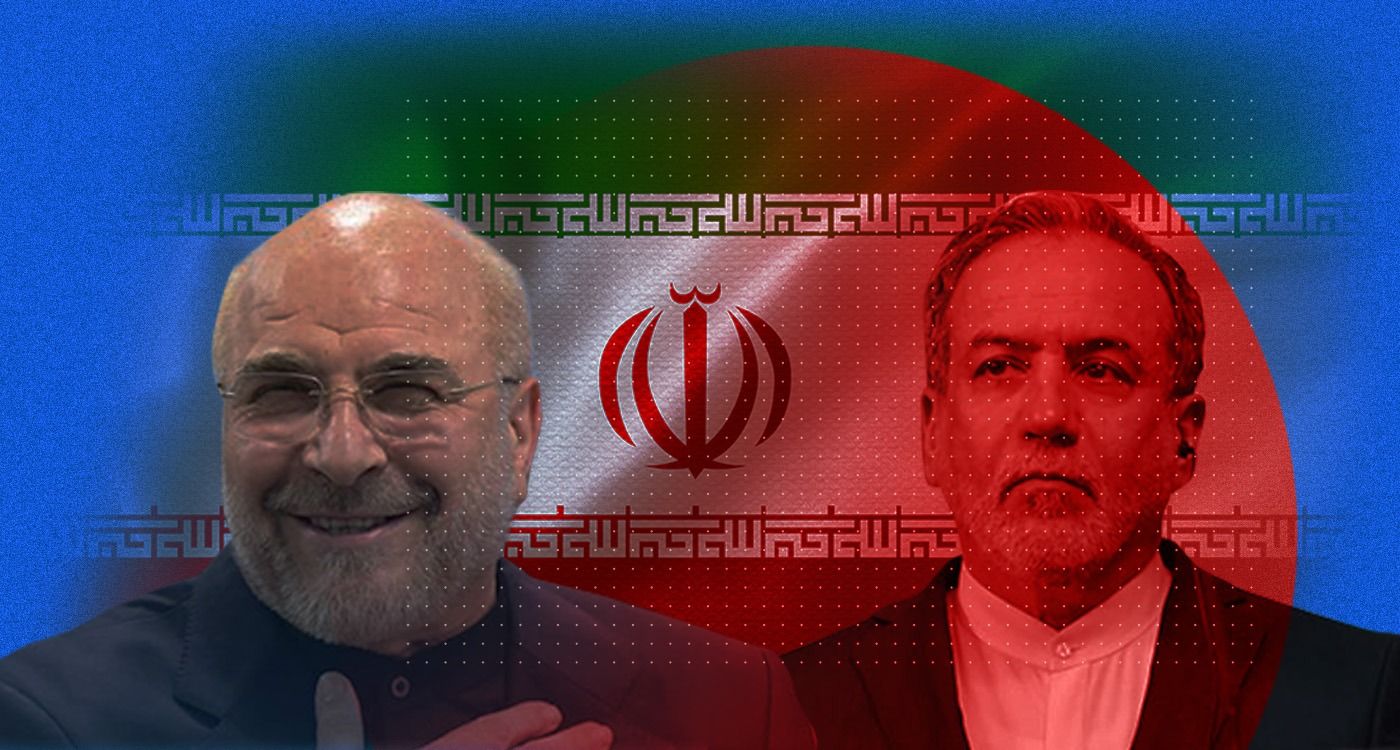
Even as the war between Iran, the United States, and Israel intensifies on the ground, reports emerging Wednesday, suggest that Washington and Tel Aviv have granted temporary targeting immunity to two senior Iranian officials, Foreign Minister Abbas Araghchi and Parliament Speaker Mohammad Bagher Ghalibaf, for the duration of the current negotiation window, estimated at five days.
While the arrangement has not been officially confirmed, it signals an effort to preserve diplomatic channels even as military operations continue unabated.
Diplomacy Under Fire
The reported immunity comes as Iran signals conditional openness to dialogue.
Tehran’s foreign ministry told CNN it is “ready to listen to sustainable proposals” to end the war, though it remains deeply skeptical of U.S. intentions, citing what it views as repeated past deception. Iranian officials have conveyed through intermediaries that any negotiations must be credible and not serve as cover for continued military escalation.
On the U.S. side, officials indicate growing engagement at higher levels. According to Axios, Vice President J.D. Vance could join negotiations, a move intended to demonstrate seriousness and potentially reassure Tehran, which reportedly does not view him as a hardliner.
At the same time, Washington is exploring a broader diplomatic framework. Israeli media reports point to a 15-point proposal aimed at ending the war, including dismantling Iran’s nuclear program, restricting missile capabilities, and halting support for regional armed groups, in exchange for lifting sanctions and supporting a civilian nuclear program.
War Continues Across Multiple Fronts
Despite these diplomatic signals, military operations show no sign of slowing.
Israeli strikes overnight targeted infrastructure and defense sites across Iran, including in Tehran, Isfahan, Shiraz, and Bushehr, according to multiple reports. Iranian media also reported explosions in industrial and military zones, while rescue operations were underway in residential areas hit during the raids.
Iran, in turn, launched a new wave of missile and drone attacks targeting Israeli cities, including Tel Aviv and northern regions, as well as U.S. positions in the region. Air raid sirens were activated across southern Israel, with reports of injuries from falling debris.
The U.S. military, for its part, says it has already struck thousands of military targets inside Iran, significantly degrading its operational capabilities.
Energy Crisis Deepens Global Stakes
The war’s impact extends far beyond the battlefield.
Iran’s actions in the Gulf, including the effective closure of the Strait of Hormuz, have triggered what officials describe as the worst global energy crisis in history, disrupting oil flows and sending fuel prices soaring worldwide.
This economic pressure has become a central factor shaping diplomatic urgency, as global markets react to prolonged instability in one of the world’s most critical energy corridors.
While diplomatic channels remain open and may even be intensifying, they are unfolding in parallel with continued strikes, troop deployments, and rising regional tensions. The reported temporary immunity for Iranian officials captures this contradiction: even as key figures are shielded to facilitate talks, the war around them continues to expand.
Read more


Comments