- 24
- Mar
- 2026

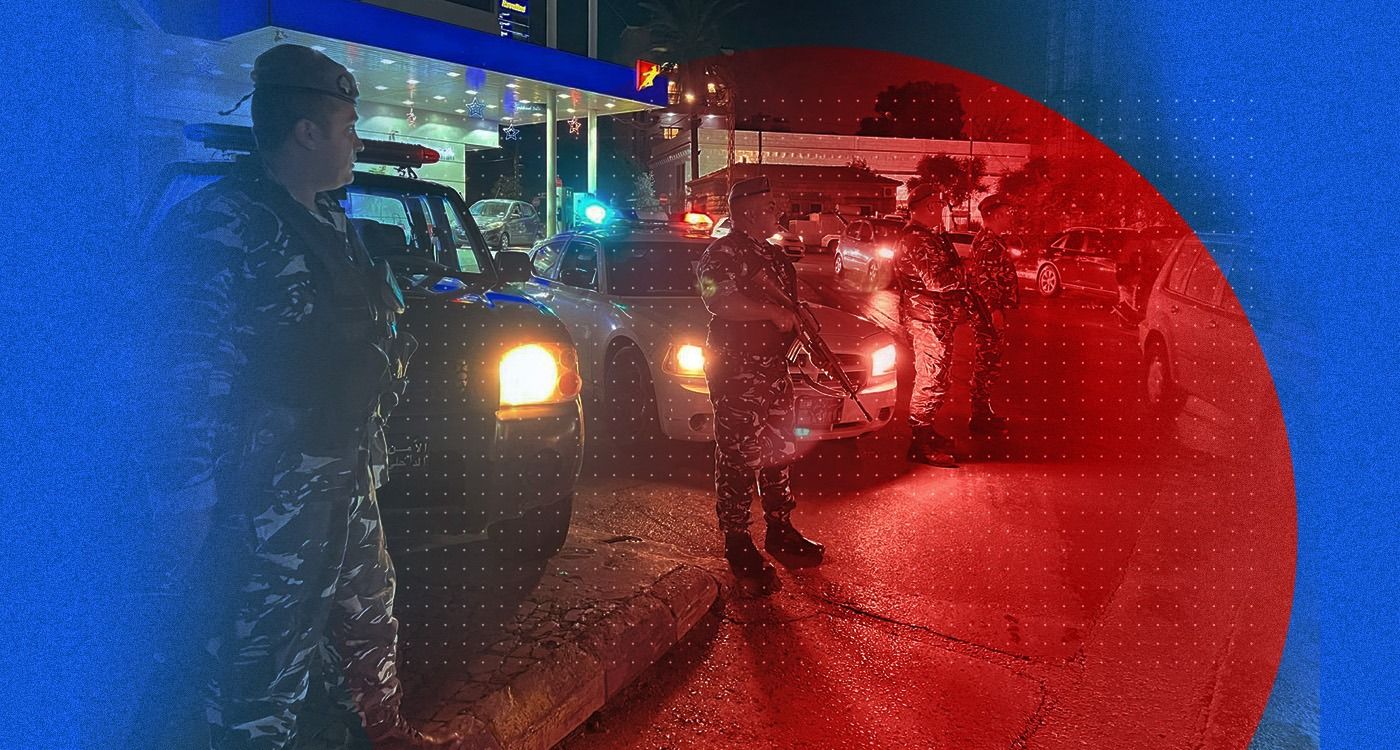
Lebanese authorities have stated their intentions to increase security measures across the country following rising tensions over the ongoing conflict and a mounting displacement crisis. Tensions peaked following the government’s controversial decision to set up a camp for the displaced in the majority-Christian area of Karantina on Beirut’s eastern coast.
On Tuesday, Interior Minister Ahmad Hajjar announced that Internal Security Forces will reinforce their deployment in the coming days to beef up state security.
While noting that incidents of conflict among displaced groups remain limited, he stressed that the presence of weapons in shelters is “unacceptable.”
The measures follow a high-level security meeting on Monday at the Presidential Palace. President Joseph Aoun called for reinforced security procedures nationwide, especially in Beirut, and emphasized the need to ensure the safety of displacement centers.
“Implementation of the measures remains key,” retired General Khalil Helou told This is Beirut.
“There is no doubt that instructions were given,” he said. “The authorities could deploy checkpoints and increase patrols in and around Beirut to reassure the population.”
However, Helou stressed that many residents feel abandoned. “People believe the state is absent,” he said, pointing to recent strikes by the Israeli army in areas outside traditional Hezbollah strongholds, including Hazmieh, Bachoura, and Bchamoun.
He argued that no concrete measures have been taken to prevent Hezbollah operatives from hiding among the displaced.
“Authorities respond with reassurances rather than action, which only widens the gap between the state and the people,” he said.
Karantina Shelter Plan Dropped After Backlash
Meanwhile, a proposed plan to build shelters for displaced people in Beirut’s Karantina area has been scrapped following strong political and public opposition. Residents warned the project could expose the neighborhood to Israeli strikes and disrupt its demographic balance.
After meeting MPs from Achrafieh, Prime Minister Nawaf Salam reportedly agreed to halt the initiative. Kataeb MP Elias Hankach said the site would no longer be used as a shelter, thanking the government for addressing local concerns.
Kataeb officials also cautioned against any plan that could turn into a “permanent settlement,” citing security risks and advocating for alternative solutions such as using schools or public facilities to house displaced people.

Comments