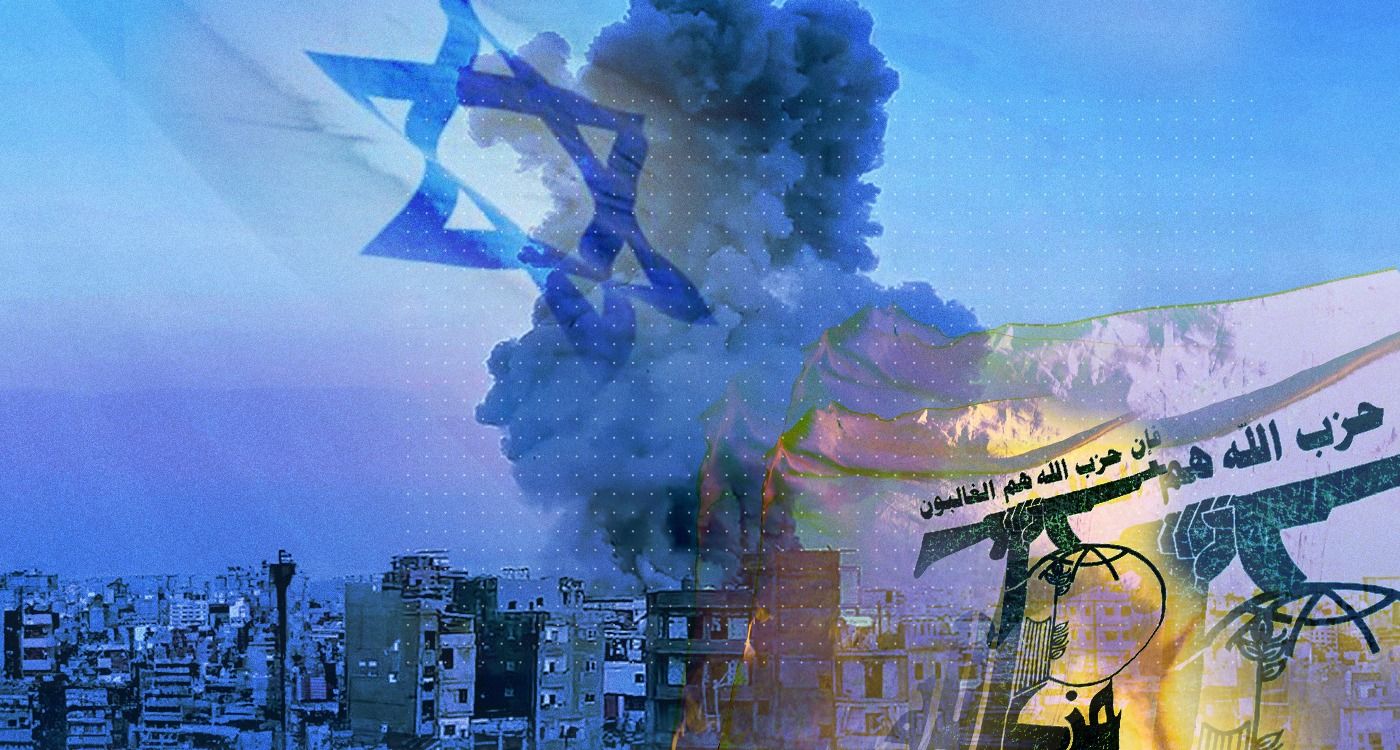
Lebanon was drawn into the widening Middle East war on Monday after Hezbollah fired rockets toward Israel, saying the attack was in support of its backer Iran and in retaliation for the killing of Iran’s Supreme Leader, Ali Khamenei.
Israel responded with intense airstrikes, targeting Hezbollah strongholds in Beirut’s southern suburbs, the Bekaa Valley, and southern Lebanon, and warning that the pro-Iranian group “will pay a heavy price.”
According to Middle East military expert Riad Kahwaji, Israel is preparing for what could become a decisive confrontation with Hezbollah.
“It will be extensive and will not stop until Hezbollah is disarmed of its heavy weapons,” Kahwaji told This is Beirut.
Retired Lebanese Army General Khaled Hamadeh said Israel appears determined to go further in its campaign to eliminate threats emanating from Lebanon.
“They are determined to destroy not only Hezbollah’s weapons but its entire socio-economic network, similar to what they did in Gaza,” Hamadeh said in an interview with This is Beirut.
By launching rockets and drones in what it described as retaliation for Khamenei’s killing, Hezbollah triggered a forceful Israeli response, effectively closing the door on any immediate return to a ceasefire.
“Even if Hezbollah stops firing, Israel appears set on dismantling the group,” Hamadeh said. “They want to eliminate any link to Iran in the region. It will be a long war.”
From a military standpoint, he added, Lebanon is perceived by Israel as aligned with Iran in this confrontation, and Israel “will carry on” its campaign against Hezbollah “until it is completely neutralized.”
Lebanon’s Council of Ministers convened an emergency session on Monday, banning Hezbollah’s military activities, demanding that the group immediately hand over its weapons, and instructing the army and internal security forces to enforce the decision.
Despite the move, Hezbollah launched additional drones toward northern Israel early Tuesday.
Israel, for its part, intensified its air campaign for a second consecutive day, striking Beirut’s southern suburbs as well as multiple towns in southern Lebanon, the eastern Bekaa Valley, and the Baalbek-Hermel region — areas considered Hezbollah strongholds.
By Monday evening, Lebanon’s Health Ministry reported at least 52 people killed and 154 injured. State-run relief agencies said more than 30,000 people had been displaced since the strikes began, with unofficial estimates suggesting the number may be significantly higher.


Comments