- Home
- Middle East
- Iran and Qatar Discuss U.S. Talks as Tehran Reaffirms Commitment to Diplomacy
Iran's Foreign Minister Abbas Araghchi delivers a speech during a session of the United Nations Conference on Disarmament, on the sideline of a second round of US-Iranian talks with Washington pushing Tehran to make a deal to limit its nuclear programme, in Geneva, on February 17, 2026. ©VALENTIN FLAURAUD / AFP
Iranian Foreign Minister Abbas Araghchi held a phone call with Qatari Prime Minister and Foreign Minister Sheikh Mohammed bin Abdulrahman Al Thani on Saturday to review regional and international developments, including the latest status of indirect negotiations between Tehran and Washington, Iranian state-linked media reported.
The two diplomats discussed ongoing diplomatic efforts surrounding the U.S.-Iran talks and agreed on the importance of maintaining regional consultations to help facilitate dialogue and support diplomatic momentum.
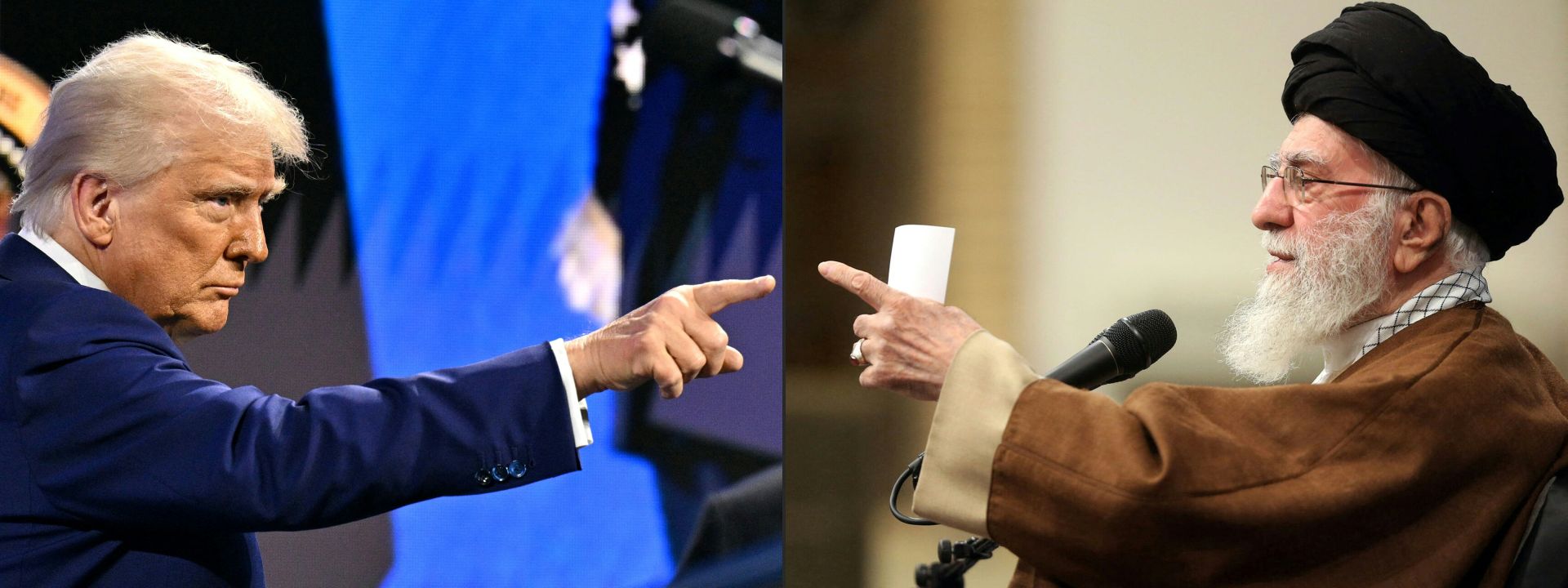
The exchange comes amid heightened tensions in the Middle East and renewed attempts to revive nuclear negotiations between Iran and the United States, which resumed this month after months of stalemate.
Tehran stresses diplomacy without abandoning enrichment
In remarks made on Friday, Araghchi said Iran remains committed to diplomacy while preserving its right to defend itself.
“We are ready for peace and just as ready for diplomacy as we are for defending ourselves,” he said, adding that negotiation remains the only viable path to ensuring Iran’s nuclear program stays peaceful.
Araghchi also clarified that Tehran has not proposed suspending uranium enrichment and that Washington has not formally demanded “zero enrichment” during the current talks, a key sticking point in previous negotiation rounds.
Iran continues to insist on its right to enrich uranium at low levels under the Nuclear Non-Proliferation Treaty, citing civilian applications including medical and economic uses.
The Iranian foreign minister’s comments underscore Tehran’s position that any agreement must recognize this right while addressing international concerns through diplomatic mechanisms rather than pressure.
Two rounds of talks held in February
Iran and the United States have so far conducted two rounds of indirect nuclear negotiations in February, marking the first substantive engagement between the two sides in months.
While both parties have signaled cautious optimism, major gaps remain, particularly over enrichment limits and sanctions relief.
Qatar has increasingly emerged as a regional diplomatic interlocutor alongside Oman, reflecting broader efforts by Gulf states to de-escalate tensions and encourage political solutions amid growing fears of military confrontation.
As talks continue, Iran appears focused on strengthening regional coordination while maintaining a firm stance on its nuclear sovereignty, signaling that any breakthrough will depend on balancing diplomacy with long-standing red lines.
Read more



Comments