- Home
- Middle East
- Iran FM: U.S.-Iran Talks Held In a “Very Positive Atmosphere”
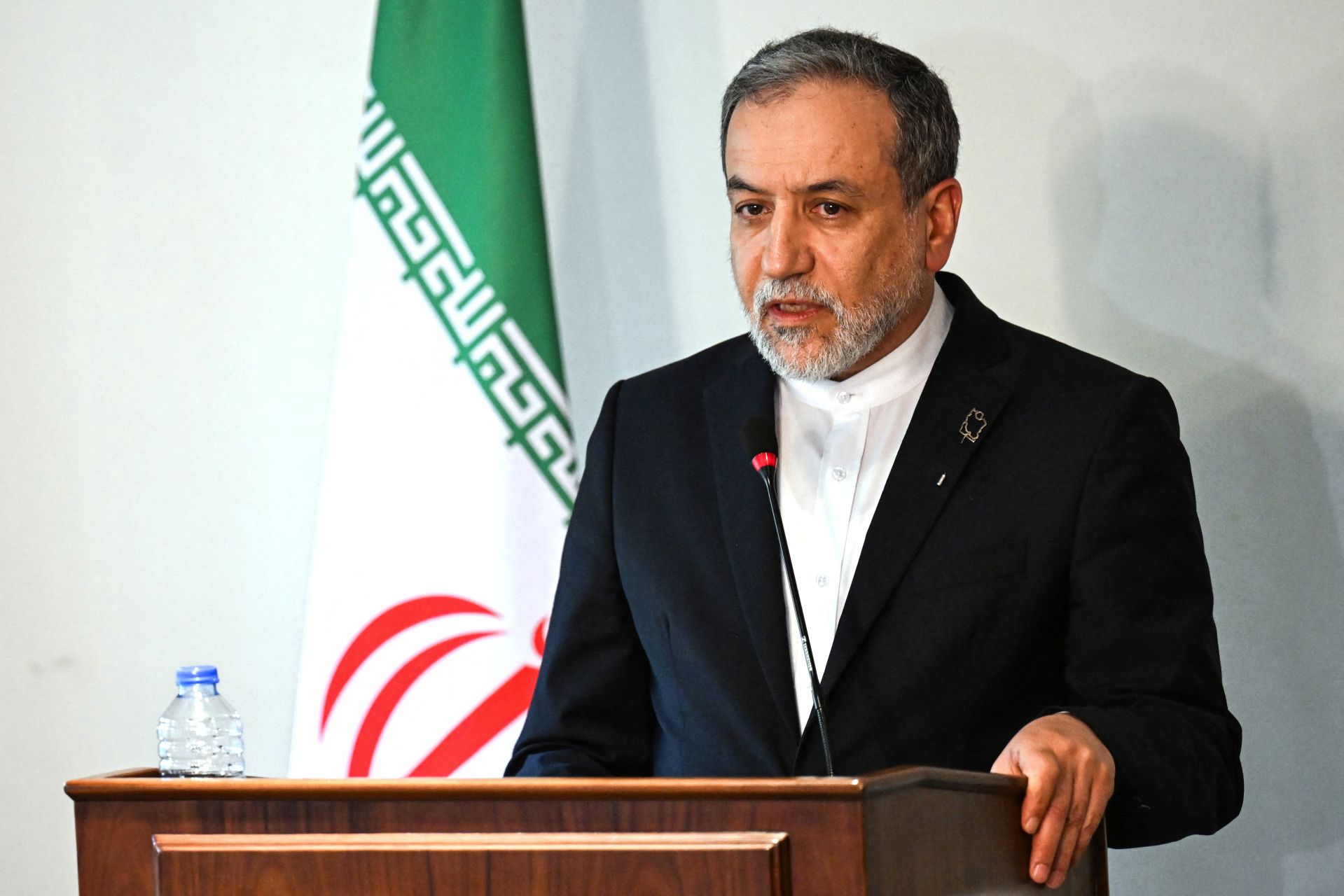
Iranian Foreign Minister Abbas Araghchi speaks during a joint press conference with his Egyptian counterpart after their meeting in Cairo on June 2, 2025. ©AFP
Iran and the United States held indirect, high-level talks in Oman on Friday over Tehran’s nuclear program, in their first such encounter since the June Israel-Iran war, amid sharp disagreements over the agenda and growing fears of a wider regional conflict.
Iran Foreign Minister Abbas Araghchi said the talks were held in a “very positive atmosphere” and “agreed with the U.S. to “proceed with negotiations.” Both sides would decide on the “way forward” for their talks after consultations back in their respective capitals, the foreign minister said.
Araghchi noted that the talks focused solely on the nuclear issue.
Foreign Minister Badr al-Busaidi met separately with Iranian Foreign Minister Abbas Araghchi and with U.S. Middle East envoy Steve Witkoff and White House adviser Jared Kushner, describing the discussions as aimed at preparing the ground for renewed diplomatic and technical negotiations.
The talks, mediated by Oman in Muscat, were delayed by about an hour and proceeded in two rounds. Oman’s Foreign Ministry later confirmed on X that it had mediated talks between Iran and the U.S. on Iran’s nuclear program.
“The consultations focused on preparing the appropriate circumstances for resuming the diplomatic and technical negotiations by ensuring the importance of these negotiations, in light of the parties’ determination to ensure their success in achieving sustainable security and stability,” the Omani announcement said.
While both sides signaled openness to diplomacy, Washington insisted the talks must address not only Iran’s nuclear program but also its ballistic missiles, regional proxy activities and human rights record. Tehran, however, demanded the Muscat discussions be limited strictly to the nuclear file, ruling out any talks on its missile capabilities.
However, despite holding diplomatic talks, Iran continues to communicate military signals, maintaining ballistic missiles ready for deployment, as U.S. military buildup in the region remains in place.
The negotiations come against the backdrop of last June’s 12-day Israel-Iran war, during which Israel struck Iran’s nuclear and missile infrastructure and the U.S. hit Iranian nuclear targets. Araghchi said Iran was engaging “in good faith” but would stand firm on its rights, stressing that any agreement must be based on mutual respect and honored commitments.
Tensions remain high as U.S. President Donald Trump has warned of military action if diplomacy fails, while Iran has threatened a harsh response to any strike, including against Israel and U.S. targets. In parallel, Gulf states fear that a breakdown could ignite a regional war.
Despite signaling possible flexibility on uranium enrichment, Iran insists its right to enrich uranium is non-negotiable and continues to reject any discussion of its missile program.
Read more


Comments