- Home
- Middle East
- UN Warns Islamic State Threat Is Growing More Complex Worldwide
©Ahmad Al-Rubaye / AFP
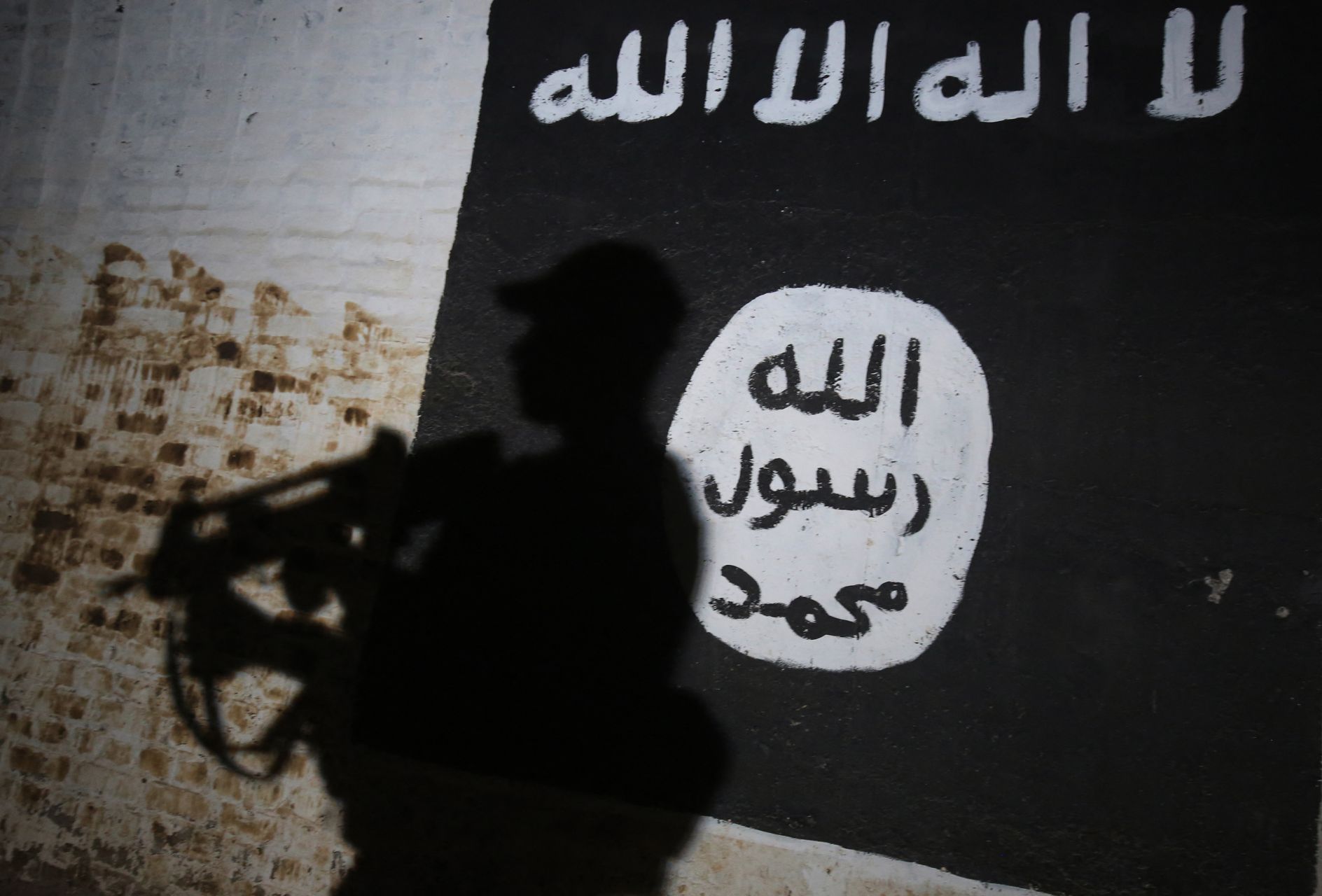
The United Nations warned on Wednesday that the global threat posed by Islamic State has increased steadily since mid-2025 and is becoming more sophisticated, as the group adapts its tactics and expands its reach across multiple regions.
Briefing the UN Security Council, Alexander Zuev, Acting Assistant Secretary-General at the UN Office of Counter-Terrorism, said ISIS and its affiliates continue to widen their presence in West Africa and the Sahel while maintaining attacks in Iraq and Syria.
He added that ISIS-K remains among the most dangerous threats in Afghanistan and beyond.
Zuev also pointed to a deadly attack at Bondi Beach in Sydney last December that killed 15 people, saying it was inspired by Islamic State ideology.
Despite sustained counterterrorism pressure, Zuev warned that the group “continues to adapt and demonstrate resilience.”
Digital Tools and New Recruitment Methods
Separately, the head of the UN Counter-Terrorism Committee Executive Directorate said ISIS and other extremist groups are increasingly exploiting emerging technologies, including cryptocurrencies, drones, and advanced artificial intelligence applications.
She warned that artificial intelligence is now being used to accelerate radicalization and recruitment efforts, with children and young people deliberately targeted online.
Recent attacks underscore the group’s operational reach. Last month, ISIS claimed responsibility for a rare strike on the main airport in Niger, highlighting its growing strength in the Sahel. Days earlier, the group said it carried out an assault on a Chinese restaurant in Kabul, killing seven people.
Al-Hol Camp Raises Security Concerns
In Syria, Zuev said the withdrawal of Syrian Democratic Forces from al-Hol camp in late January has created new operational and humanitarian challenges.
The camp currently holds about 24,000 people, including roughly 15,000 Syrians and some 6,300 foreign women and children from 42 countries, many of which refuse to repatriate their nationals.
Fearing potential escapes, U.S. authorities have begun transferring detainees from the camp to Iraq.
Security Risks Mount Across Multiple Regions
UN officials said the Islamic State’s territorial losses in the Middle East have not diminished its operational capacity, with the group increasingly relying on decentralized cells and regional affiliates to carry out attacks.
They warned that West Africa and the Sahel remain key flashpoints, while instability in Syria and Iraq continues to provide space for extremist networks to regroup.
The briefing underscored growing concern among international partners that ISIS’s evolving tactics, combining physical attacks with online recruitment and financial innovation, are making counterterrorism efforts more complex, even as military pressure persists.
Read more


Comments