- Home
- Middle East
- Who Are the Iraqi Groups Involved in the Middle East War?
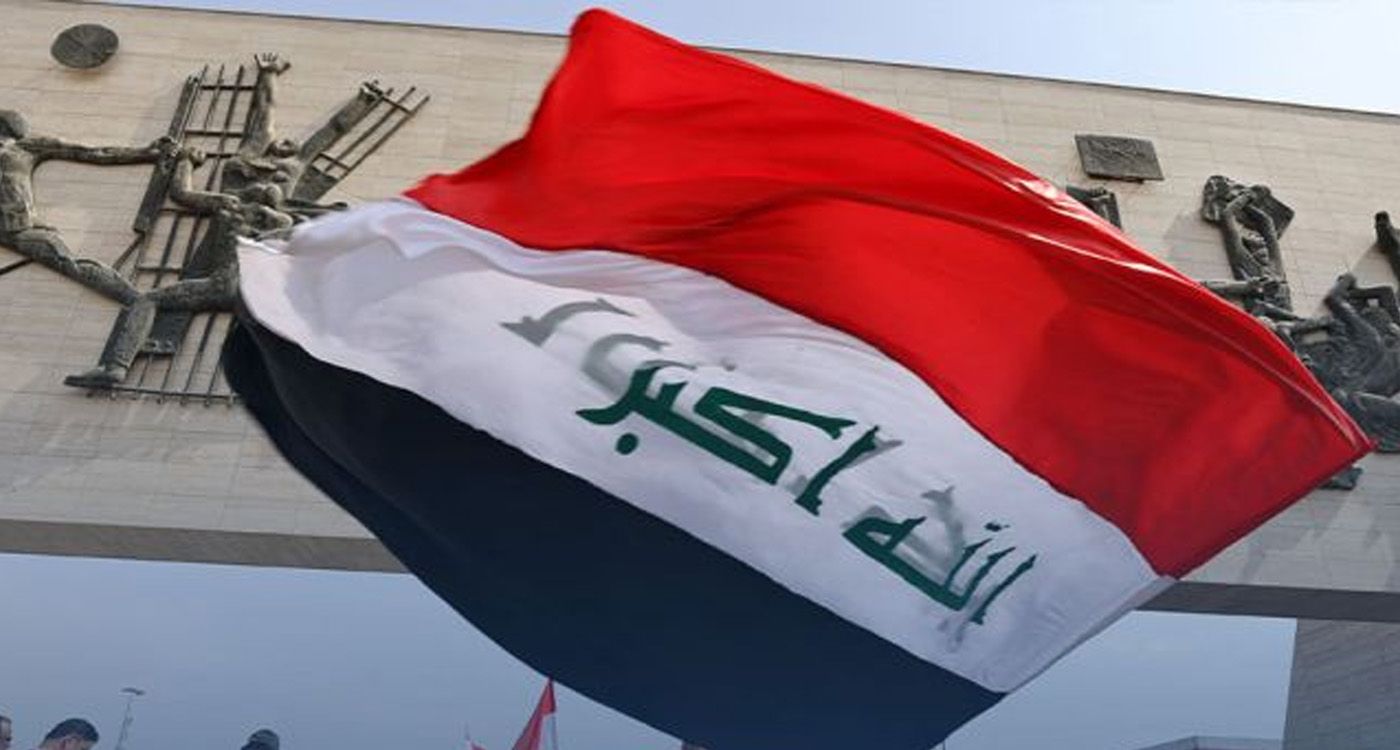
Since the start of the Middle East war, Tehran-backed Iraqi groups have repeatedly attacked US interests, whether bases hosting troops, diplomatic missions, or oil facilities.
The armed groups, which the U.S. designates as terrorist organisations, have, from the onset, warned that the Middle East conflict will become a prolonged war of attrition.
Who are these groups and why did they get involved?
The Main Groups
"The production of drones and rockets within the axis of resistance has become as common as making Kleicha at home," the al-Nujaba movement said in a statement, referring to an Iraqi homemade sweet typically filled with dates or nuts.
U.S.-blacklisted Iran-backed groups unite under the loose alliance of The Islamic Resistance in Iraq, which has been claiming daily drone and rocket attacks on the "enemy" in Iraq and across the region.
They are also part of the Iran-led so-called "axis of resistance", which has included Lebanon's Hezbollah, Hamas in Gaza and Yemen's Houthis.
The Iraqi groups have pledged to defend the Islamic republic since the Middle East war erupted with an Israeli-U.S. attack on Iran on February 28.
Active Today
Kataeb Hezbollah: This group has long spearheaded attacks on U.S. interests in Iraq, and over the years it has lost key commanders in American strikes.
It has grown in power and become involved in politics, and now supports a parliamentary bloc of six seats.
Kataeb Sayyid al-Shuhada is led by Abu Alaa al-Walai, who has a seat within the Coordination Framework, the ruling Shiite alliance that holds the parliamentary majority.
The al-Nujaba movement is the only armed group that has steered clear of politics.
Some groups have so far stayed out of the war, such as Asaib Ahl al-Haq, which has shifted its focus to politics and now holds a sizable parliamentary bloc of 27 seats.
A War of Attrition
Iran-backed groups have targeted the U.S. embassy in Iraq's capital, its diplomatic and logistics facility at Baghdad's airport, and oil fields operated by foreign companies.
The autonomous Kurdistan region, which hosts American troops and a major U.S. consulate, has also been a significant target.
It remains unclear what these groups have hit across the broader region, but earlier in the war Kuwait summoned Iraq's ambassador over attacks on its territory.
Lahib Higel of the Brussels-based International Crisis Group said "the so-called resistance groups joined the fray because this is an existential battle for the Iranian regime.
"In Iran's Axis they are the last defensive line, and the killing of Supreme Leader (Ali) Khamenei was a signal that their own survival is at risk."
The al-Nujaba group claimed to have a large stockpile of drones and rockets produced in small workshops.
Higel said Iran has withheld heavy weapons from these groups, unlike for Hezbollah in Lebanon or Yemen's Houthis.
Iraqi groups have drones and rockets, as well as "short-range ballistic missiles", that they have used in the past.
"This is definitely a war of attrition for them, with the aim of evicting the U.S. from Iraq," she said.
The U.S. Reacts
For years, the U.S. has struck these groups, killing several of their commanders.
Since the war started, strikes blamed on the US and Israel have repeatedly targeted them, beginning just hours into the conflict with attacks on Kataeb Hezbollah's main stronghold, the Jurf al-Sakher base south of Baghdad.
Neither the U.S. nor Israel have claimed responsibility, but the attacks have become almost a daily occurrence.
Strikes also hit bases belonging to the Hashed al-Shaabi, a former paramilitary alliance now integrated within Iraq's regular armed forces, but which also encompasses brigades belonging to Tehran-backed groups.
At least 43 Iran-backed fighters, as well as members of the Hashed al-Shaabi, have been killed in strikes since the war began, according to an AFP tally based on factions and security sources.
The most significant escalation came when strikes hit the heart of Baghdad.
On Saturday, a missile struck a house in the capital, killing three Kataeb Hezbollah members, including a commander.
The strike also wounded the group's leader, Abu Hussein al-Hamidawi, who has since received treatment, according to a source in the armed group.
Targeted assassinations have already claimed the lives of many top commanders within the axis of resistance, mostly after the Israel-Hamas conflict in Gaza in 2023.
"The assassination chapter" of the war likely started in Iraq, an Iraqi security official told AFP.
AFP
Read more
Comments